The Las Vegas content day: one shoot, months of content.
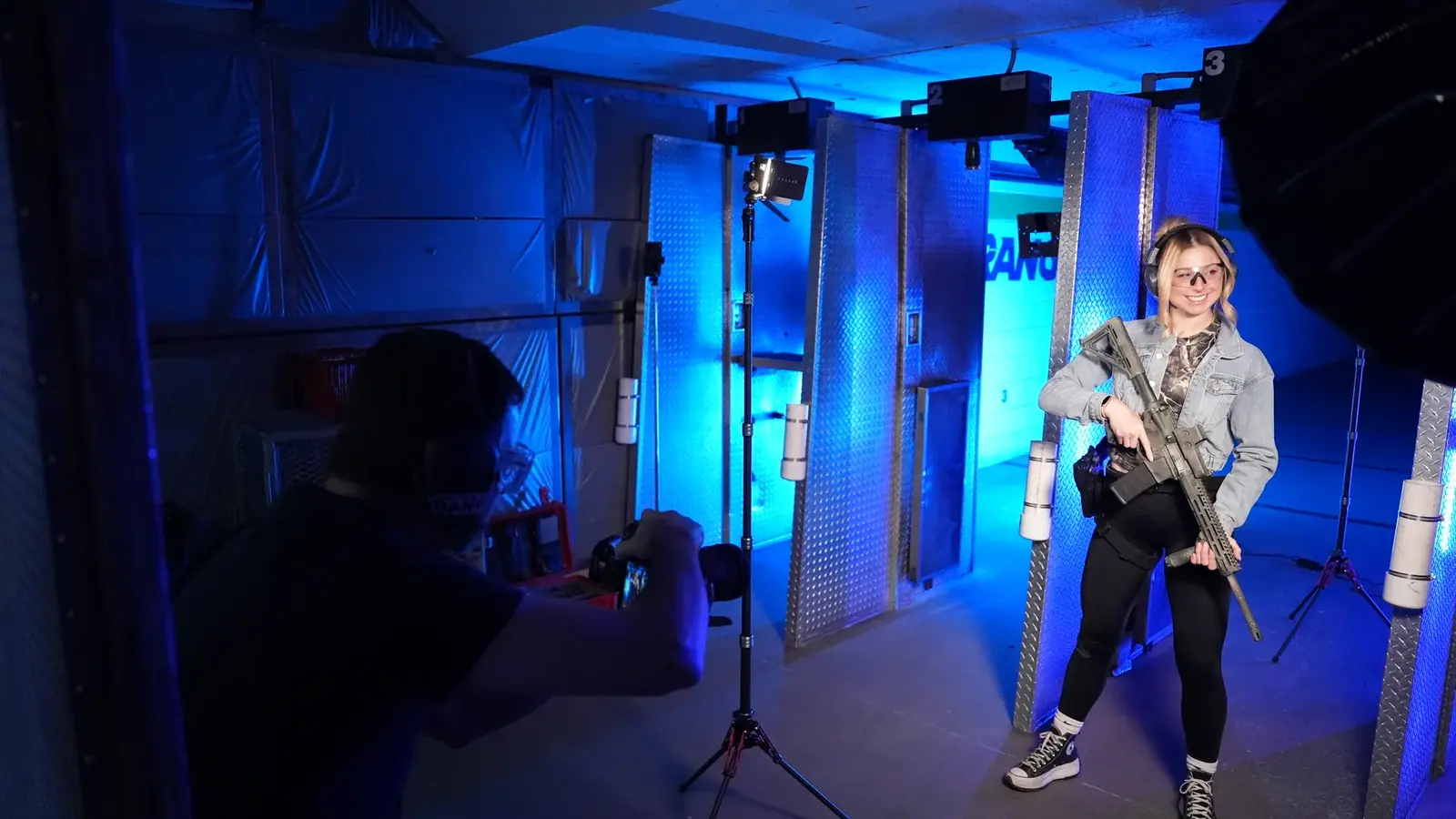
Every photograph on this page is our own Las Vegas client work.
The content problem in Las Vegas is not a shortage of things to film. It is that everything here is dated. The pool season opens and closes, the menu turns over, the holiday editorial has a two-week shelf life, the convention crowd arrives and leaves. A business that commissions a fresh shoot every time it needs something to post is paying full production cost for a single week of relevance. A content day inverts that: plan once, shoot once, release for months. This is how it works in Las Vegas specifically, what a well-run day produces, and how to decide whether one-off, quarterly or monthly is the right rhythm for you.
What a content day is, and what it is not
A content day is a single planned production day covering multiple setups, shot for stills and motion at the same time, against a list agreed in advance. The distinctions matter because they are where the disappointments come from:
- Not a hero film shoot with extras. A brand film day optimises everything around one piece. A content day optimises for volume and variety across many, which changes the shot list, the pacing and often the locations.
- Not a creator with a phone. Lit, composed, graded and sound-mixed material has a different ceiling. It can carry paid spend and sit next to a resort's own marketing without looking like the cheaper option.
- Not improvised. "Just come film us for a day" produces a fraction of the usable output. The efficiency lives entirely in the plan.
- Not a strategy. The day produces the assets. Someone still decides what the brand is saying this quarter and where each piece runs. We help with that in the brief, but it is a separate conversation from the shoot.
This is how our recurring Las Vegas work runs. For The Range 702 we shoot to the calendar rather than to a one-off brief: Valentine's, St Patrick's Day, winter holiday and cosplay editorials, CCW class portraits, a studio model series, and the facility itself, all captured as stills and video from the same setups. The same approach covers Project Gunway's runway and front-row content and the Beretta and AOA range days around SHOT Show. Every image on this page came off one of those days. See the work →
Why one planned day beats four rushed ones
Every shoot carries fixed costs that do not care how much you capture:
- Lighting a space is the slow part. Doing it once for eight deliverables instead of once per deliverable is where the savings come from. This is doubly true in Las Vegas interiors, where mixed LED, neon and no daylight mean every room has to be built from scratch.
- Load-in happens once. Getting gear into a Strip property means loading docks, security escorts and freight elevators. That is real time. One trip beats four.
- Your team is interrupted once. A shoot day pulls staff, closes a space, changes the floor plan. That internal cost is usually bigger than the invoice and almost never counted.
- The edit is the part that scales. More deliverables means more edit hours, but edit hours are cheaper than production hours. That is the whole arbitrage.
- Consistency comes free. Assets shot on one day under one direction look like a campaign. Assets collected over a year from different vendors look like a scrapbook.
What comes out of one day
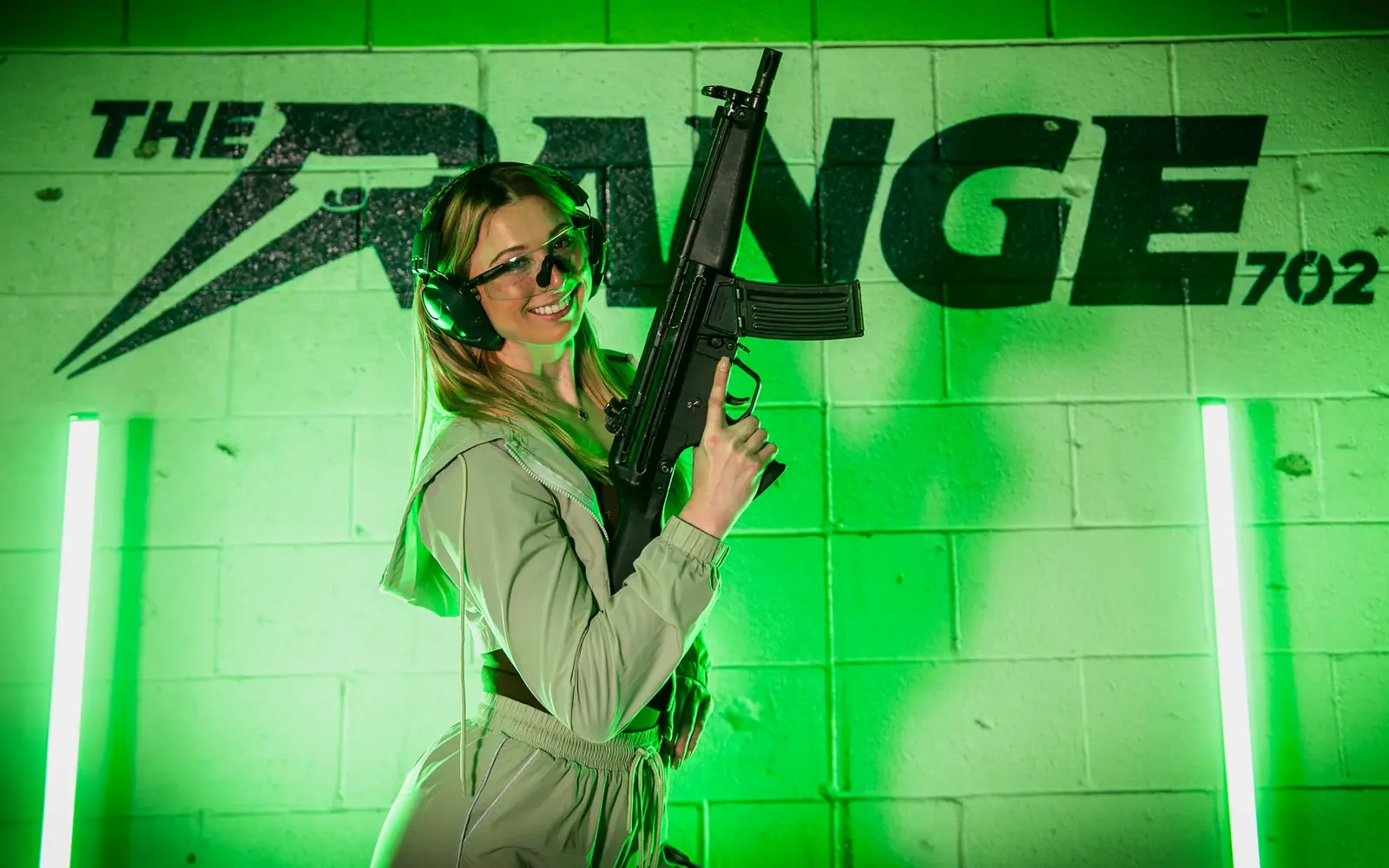
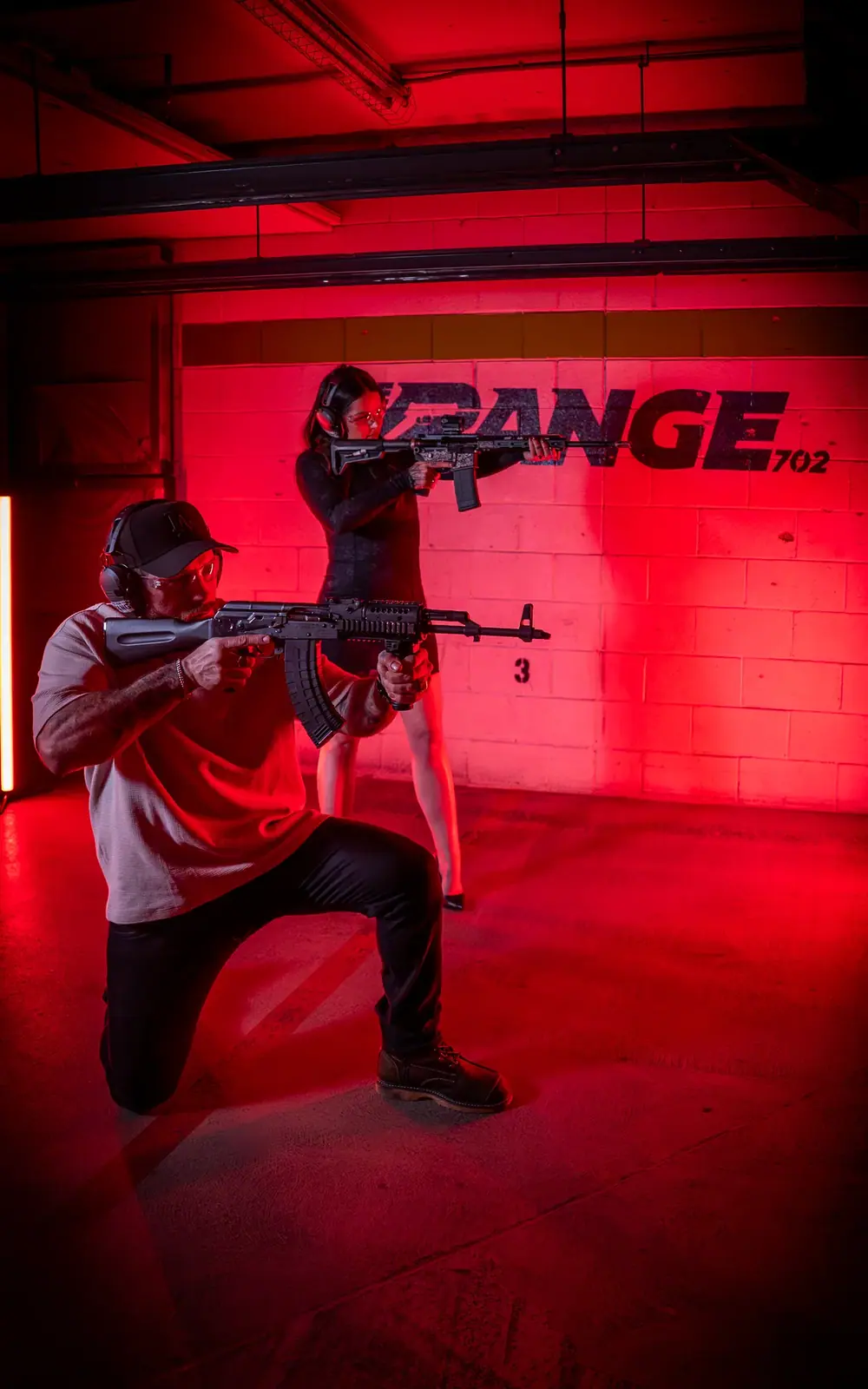

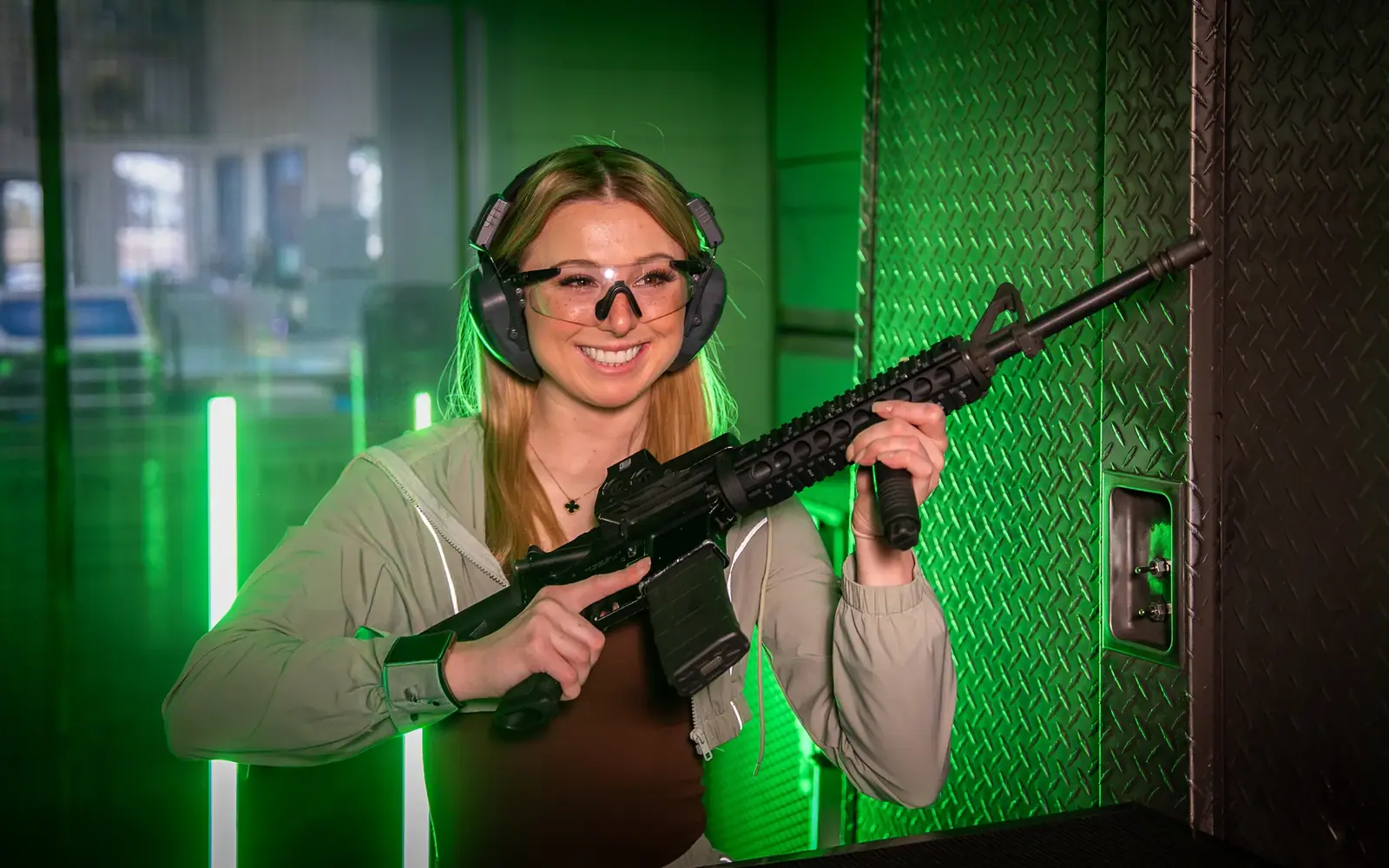

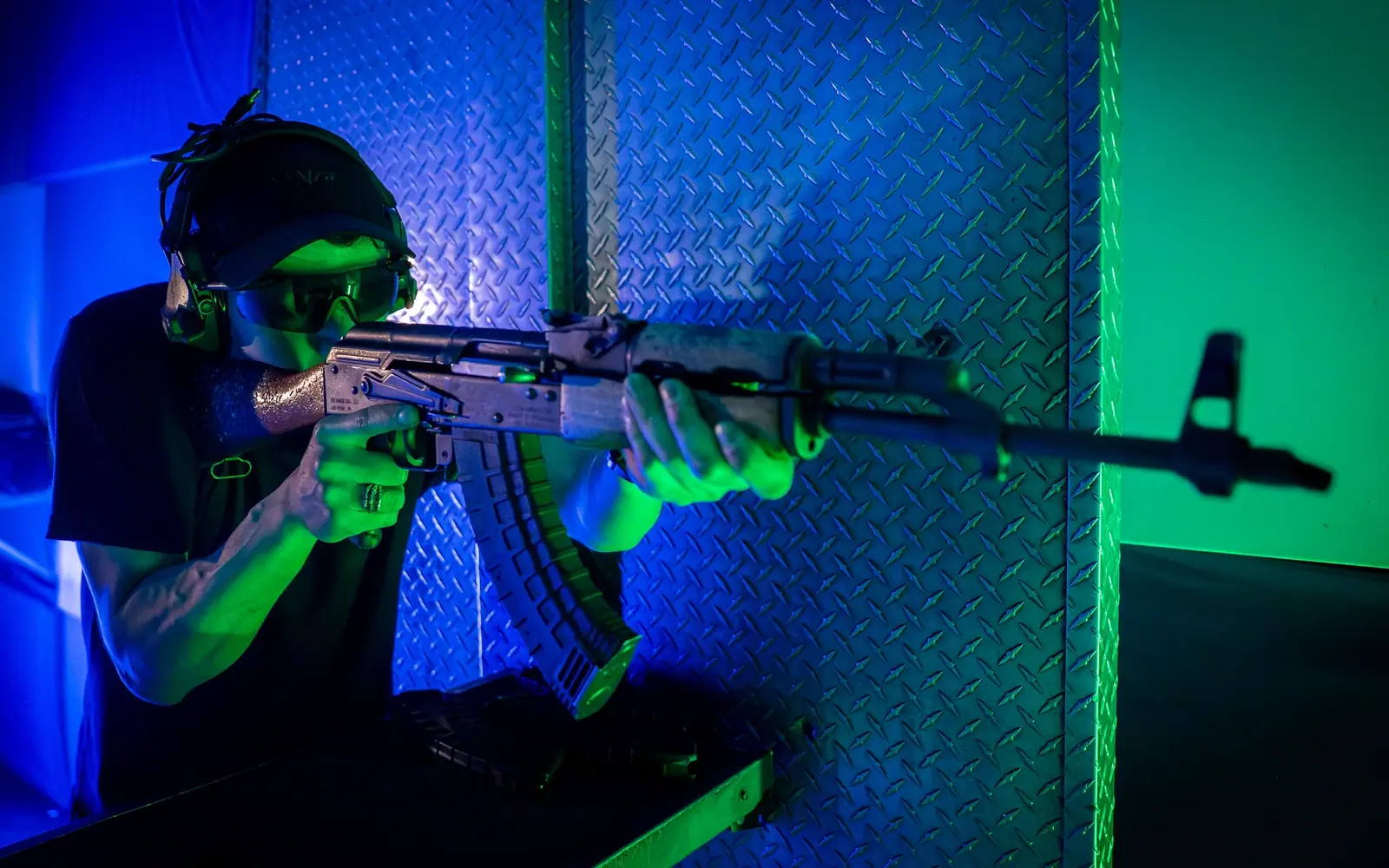
One Las Vegas client, one recurring cadence: seasonal editorials, guest experience and facility content from The Range 702.
The exact list is scoped per project, but a well-planned day is built to deliver a stack, not a single piece:
- A hero film. The anchor. It lives on the homepage, opens the sales deck and tends to stay relevant for years.
- Vertical cutdowns for social. Reels, Shorts and TikToks, framed vertically at capture rather than cropped out of a horizontal frame afterwards. That difference shows.
- Paid-media cuts. Ad creative wants a faster hook, a clearer product and music cleared for paid use. Cutting these deliberately instead of reusing organic posts is what makes the spend work. The same-day social cuts guide covers the fast-turnaround version.
- A stills library. From the same setups and the same light, so your photography and your video finally match. This is the piece video-only vendors cannot deliver.
- Seasonal and holiday editorial. In Las Vegas this is a category of its own. A Valentine's, Halloween or New Year's look shot in September is ready before the competition has booked a crew.
- Interview and testimonial material. If anyone is willing to talk on camera, a short block yields about-us and credibility content that is very hard to reconstruct later.
- B-roll coverage. The connective material that makes future edits possible without another shoot, and the most commonly skipped item on an under-planned day.
How to plan one so it actually delivers
- Start from the placement, not the idea. Write down where each asset will run before deciding what to shoot. A list built from real placements produces material that gets used. A list built from ideas produces material that sits in a folder.
- Lock the shot list before the day. It is the single highest-leverage document in the process. The schedule, the gear and the order of setups all derive from it.
- Group by setup, not by topic. Shoot everything that shares a location and a lighting state together, even if those pieces publish months apart. Reordering the day around light rather than narrative is what buys the extra setups.
- Name one decision-maker for the day. Present, with authority, and not simultaneously running a shift. Approval delays are the most common way a paid production hour gets wasted.
- Prepare product, wardrobe and space in advance. Clean samples, backups, a short wardrobe note for anyone on camera, and the room reset before the crew arrives.
- Shoot the evergreen material first. Days run long. You want the timeless assets captured and the dated ones as the thing you drop.
Las Vegas practicalities that change the plan
- Resort property is private, and the floor is off limits. Filming inside a Strip or downtown property needs written approval from the property, usually a certificate of insurance naming them, and a marketing or security contact on the day. The casino floor is almost never available. Restaurants, pools, suites and event space are, with notice.
- Public ground has two sets of rules. The Strip sits in unincorporated Clark County, so crews with tripods, lights or stands on the sidewalk generally need a county film permit. Downtown and Fremont are the City of Las Vegas, with its own permit process, and the Fremont Street Experience canopy is managed separately again. Small, mobile crews on public ground are the least friction, and we plan around that.
- Summer dictates the schedule. From June through September, exteriors are realistically before 9am or after 6:30pm. Talent wilts, cameras overheat and the light at 1pm is unusable. An August content day with exteriors is a split day, not one continuous block.
- Drone needs authorisation, not just a licence. Most of the valley sits in the controlled airspace around Harry Reid International, and the Strip itself is effectively closed to commercial drone work. Anything aerial needs an FAA Part 107 pilot plus airspace authorisation for that specific location. Details are in the Las Vegas drone filming guide.
- The convention calendar moves everything. CES and SHOT Show in January, SEMA in November and the big medical and tech weeks fill hotels, lock down venues and book out crews. If your content day lands in a show week, plan it months out, and if it does not need to, move it.
- Use the location range. The Arts District, Fremont East, Summerlin, Henderson, Lake Las Vegas, Red Rock and the dry lake beds south of the city are all within an hour. That is real visual variety inside one day, and the Las Vegas venues guide breaks down what each gives you.
One-off, quarterly, or monthly
- One-off makes sense for a launch. A new venue, a new product, a rebrand. A defined moment with a defined asset list.
- Quarterly suits most B2B and professional brands. Law, medical, finance and corporate stories change slowly enough that four planned days a year keeps everything current.
- Monthly suits anything seasonal, which in Las Vegas is most things. Restaurants, bars, pools, nightlife, fitness, entertainment venues and retail all have content that is dated by definition. Menus turn, events happen, the holiday theme changes. Monthly is the only cadence that keeps up, and it is why our recurring hospitality and entertainment work runs that way.
- The break-even is lower than people assume. If you will need new material more than twice a year, a retainer usually costs less per asset than commissioning twice, and it removes the re-quoting and re-briefing cycle every time. Pricing variables are covered in the Las Vegas videographer cost guide.
Ready to plan a Las Vegas content day?
20-minute call. We will build the shot list against real placements and quote within 48 hours.
Book a CallMore Las Vegas guides
Every photograph on this page is Picture Perfect Video client work, shot by our crew. More of it is in the portfolio.