Fort Worth video production for brands that aren't trying to look like Dallas.
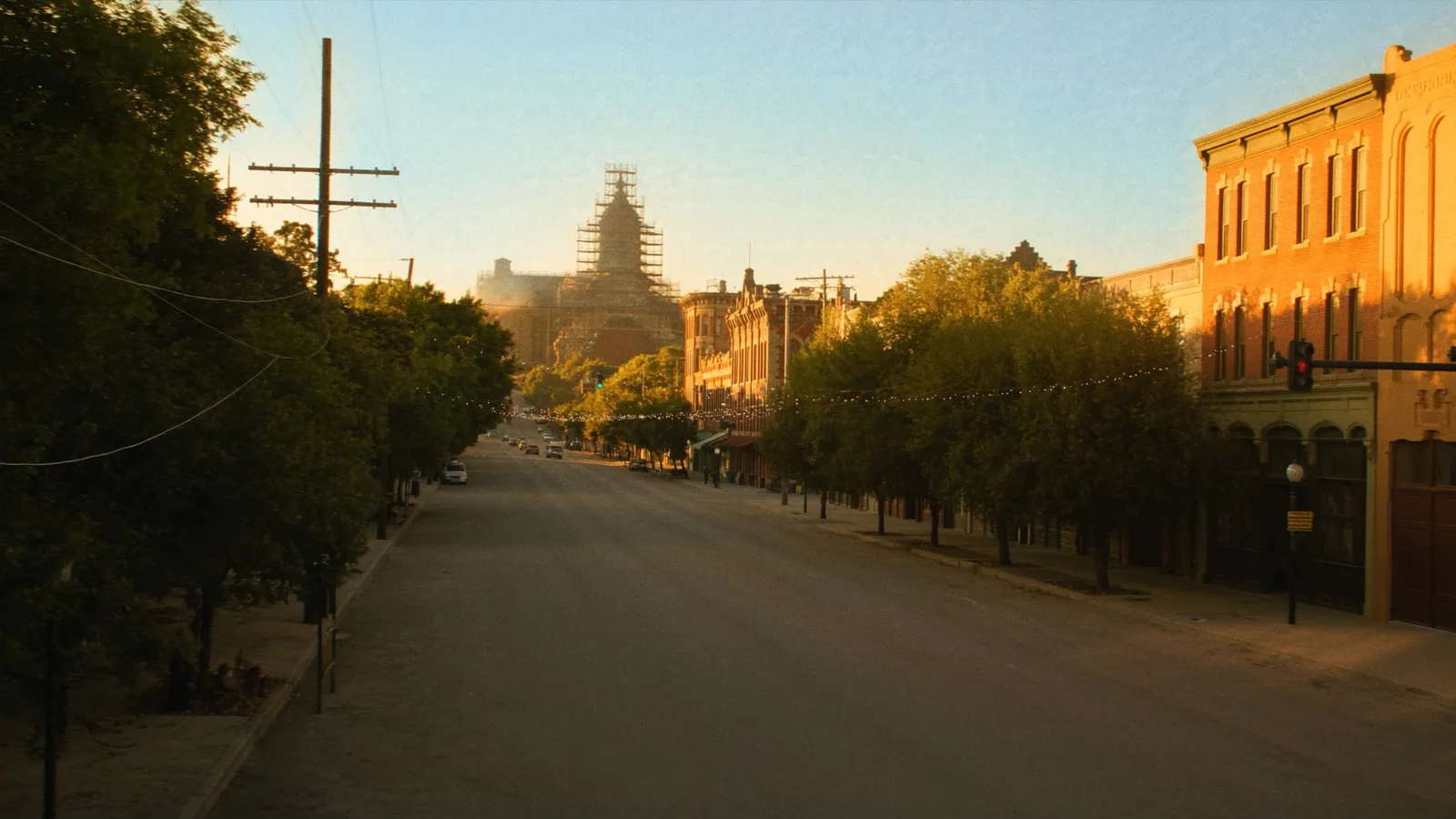
Fort Worth is not a Dallas suburb, and treating it like one is the fastest way to make content that rings false here. It is a city of nearly a million people with its own downtown, its own cultural district, its own business community, and a visual identity built on brick, cattle, and craft rather than glass towers. We shoot across the metroplex, and Fort Worth consistently rewards crews who understand that difference. Here is what production actually looks like on this side of DFW.
Why Fort Worth needs its own creative approach
The temptation with a metroplex-wide crew is to shoot Fort Worth the way you shoot Dallas: glass, chrome, drone-over-skyline, corporate polish. It does not land. Fort Worth's commercial identity is built on a different set of associations, and audiences here notice when a brand borrows the wrong visual language.
- Texture over gloss. Brick, weathered wood, wrought iron, and warm stone read as authentic here. Highly reflective glass-and-steel compositions read as imported.
- Craft and heritage sell. Fort Worth businesses lean on longevity and provenance far more than Dallas businesses do. If a company has been operating since 1974, that belongs on camera.
- Warmer grade, softer contrast. The cool teal-and-orange treatment that flatters a Dallas high-rise fights against Fort Worth's natural palette. Warmer, slightly lower-contrast grading suits the architecture.
- People are the product. Fort Worth commercial video tends to work better with faces, hands, and process shots than with sweeping architectural coverage.
This is not a stylistic preference so much as a market read. Companies here compete on being genuinely local, and content that looks parachuted in undercuts the exact thing they are selling.
We produce recurring monthly work across DFW, including the ongoing content program for The Village Dallas, a 25-acre live-work-play district with hotels, restaurants, a beach club, and event venues. That means the venue access, insurance, and scheduling problems on this page are ones we have solved repeatedly across the metroplex, Tarrant County included. See the DFW work →
Where to shoot in Fort Worth
Fort Worth punches above its weight for location variety, and most of it is within fifteen minutes of downtown:
- The Stockyards. The single most recognizable backdrop in Tarrant County. Brick, cattle pens, boardwalks, and Western signage. Heavily touristed, so early morning is the only realistic window for clean shots. Commercial filming here requires coordination in advance.
- Sundance Square. Walkable downtown blocks with restored architecture, a proper plaza, and consistent evening lighting. Excellent for professional services, restaurants, and anything needing an urban-but-warm feel.
- The Cultural District. The Kimbell, the Modern, and the Amon Carter give you world-class architecture and clean modern lines when a brief calls for something more elevated. Each institution controls its own grounds and has its own filming policy.
- The Near Southside and Magnolia Avenue. Independent restaurants, breweries, murals, and small-business character. The best area in Fort Worth for local brand storytelling.
- The Trinity Trails. Miles of riverside trail for fitness, outdoor, and lifestyle work, with far easier access than comparable Dallas locations.
- Alliance and the north corridor. Corporate campuses, logistics facilities, and modern industrial architecture. This is where most Tarrant County B2B video actually gets shot.
- TCU and the surrounding neighborhoods. Collegiate architecture and tree-lined streets for education, healthcare, and family-oriented brands.
Permits, access, and the practical rules
- Fort Worth permits separately from Dallas. This is the mistake out-of-town crews make most often. A Dallas film permit means nothing in Tarrant County. Public-property filming in Fort Worth goes through the City of Fort Worth, and lead times differ from Dallas.
- Private property is simpler. Interiors at offices, restaurants, and venues need the owner's permission plus a certificate of insurance naming them. No city involvement.
- The Stockyards has its own layer. It is a managed district with specific expectations around commercial filming, particularly during event hours and cattle drives. Do not assume public-street rules apply.
- Drone airspace is genuinely easier here. This is a real advantage over Dallas. Much of Fort Worth sits farther from the DFW International and Love Field controlled zones, so authorization is often more straightforward. It is not unrestricted, and Meacham and Alliance airports both project airspace, so a Part 107 pilot still needs to check the specific site.
- Traffic works differently. Getting from Fort Worth to Dallas at rush hour can cost 90 minutes. Crews that live on the Dallas side quietly build that into their day, and you pay for it.
What Fort Worth businesses actually buy
The mix here skews differently than in Dallas or Frisco. The formats that get commissioned most:
- Owner and founder stories. Fort Worth has an unusual density of long-standing family businesses, and their strongest marketing asset is usually the person who runs them.
- Process and craft video. Manufacturing, fabrication, food production, and trades. Watching skilled work happen is compelling, and this market has a lot of it.
- Hospitality and restaurant content. The Near Southside and downtown dining scenes are competitive and increasingly video-driven.
- Event coverage. Fort Worth's event calendar, from rodeo season to festivals to corporate gatherings at the convention center, generates steady demand.
- Recruitment video. Alliance-corridor logistics and manufacturing employers compete hard for labor, and video meaningfully lowers cost-per-hire.
Planning a shoot in Fort Worth?
30-minute call. No travel fees anywhere in Tarrant County, and a quote within 48 hours.
Book a CallMore DFW guides
- Las Vegas drone laws: where you can fly
- Corporate headshots for your team
- Dallas product photography & video
- Dallas drone videographer: what is actually legal
- Denton video production & live music filming
- Richardson video production & the Telecom Corridor
- Dallas fashion photographer & lookbook video
- Las Vegas hotel & resort photography
- Fort Worth commercial photographer
- DFW trade show & conference video
- Las Vegas event photographer
- Firearms & defense brand content
- Dallas hotel & hospitality photography
- Dallas restaurant & food photography
- Dallas commercial photographer & corporate headshots
- The Dallas content day: one shoot, a quarter of content
- Frisco video production & videographer
- Plano video production & videographer
- Arlington video production & videographer
- Grapevine video production & videographer
- Irving & Las Colinas video production
- McKinney video production & videographer
- Hiring a Dallas videographer & photographer
- What video production costs in DFW
- Dallas corporate video production
- Dallas event videographer guide
- Best filming locations in Dallas
The location image on this page is illustrative and was created digitally. Our actual client work is in the portfolio.