Fashion photography in Dallas, for a city that actually buys and sells clothes.
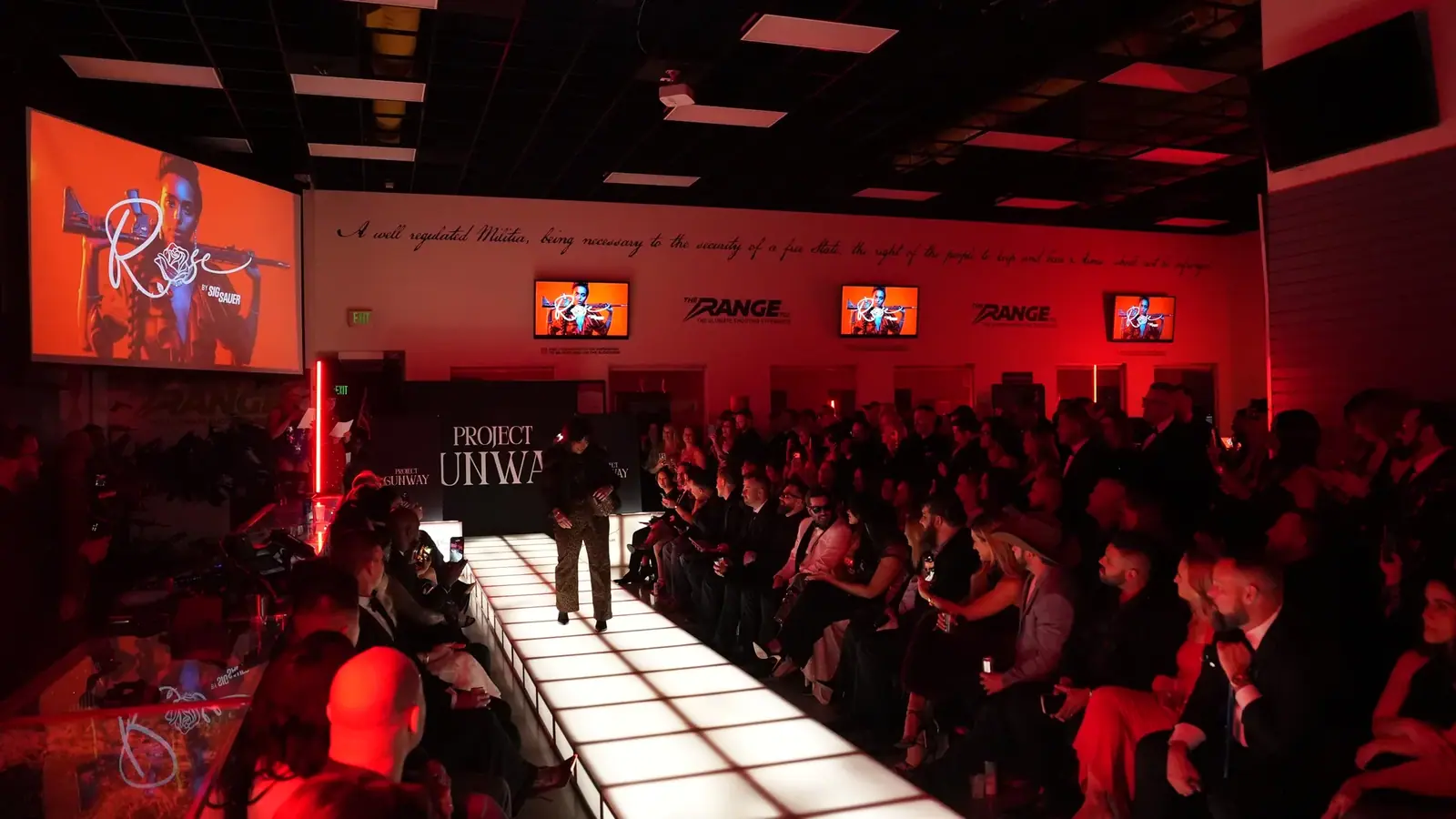
Project Gunway. Every photograph on this page is our own client work.
Dallas is a serious apparel city and gets treated like it is not. The Dallas Market Center is one of the largest wholesale merchandise complexes in the country, market weeks bring buyers in from across the region, and there is a real ecosystem of boutiques, designers and DTC brands here that never gets the coverage Los Angeles or New York does. All of it needs lookbooks, campaign images and e-commerce that does not look like it was shot in a garage. This is how that work actually runs.
Four different jobs that all get called "fashion photography"
Getting the brief right starts with naming which of these you actually need, because they want different lighting, different pacing and different budgets:
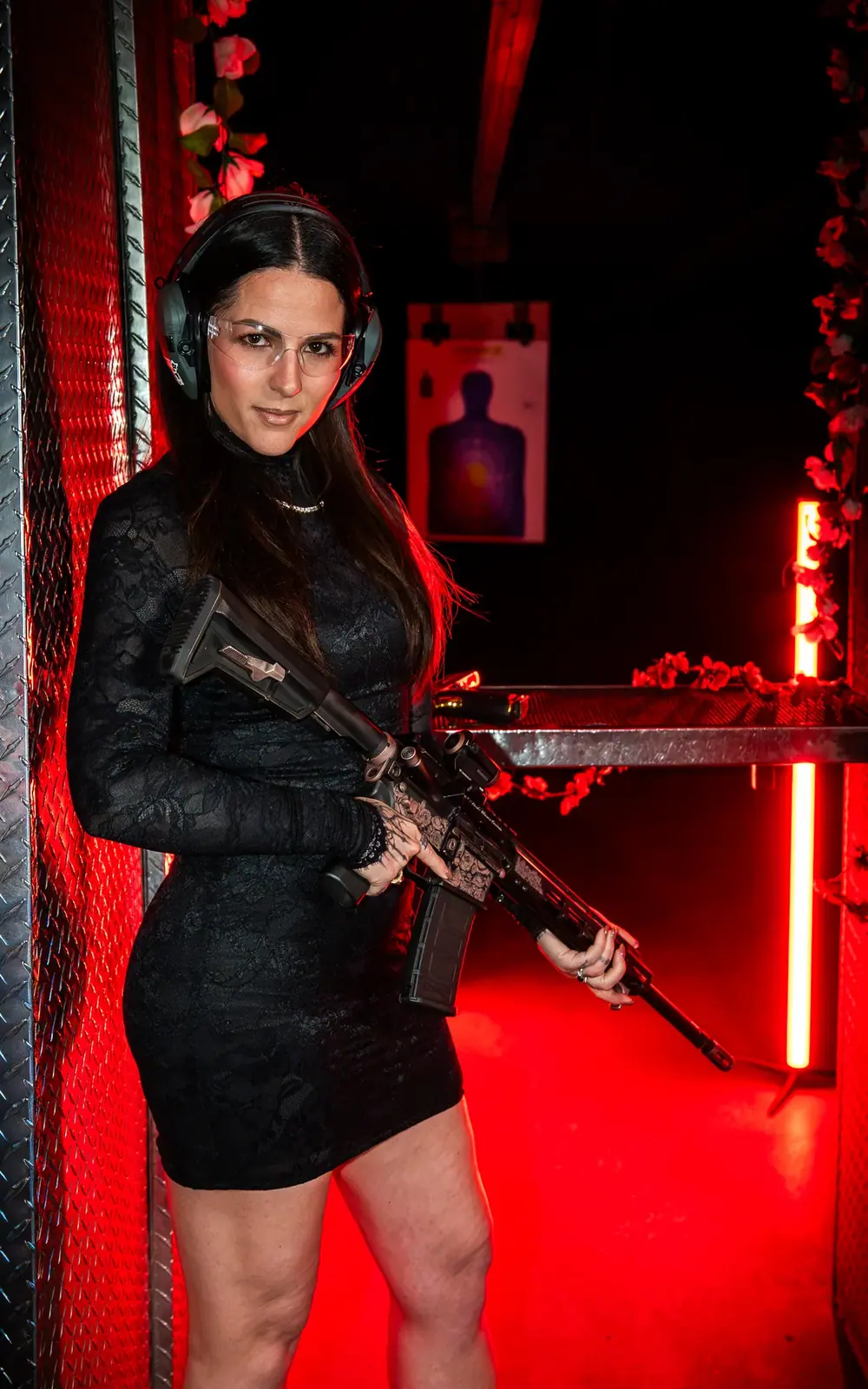
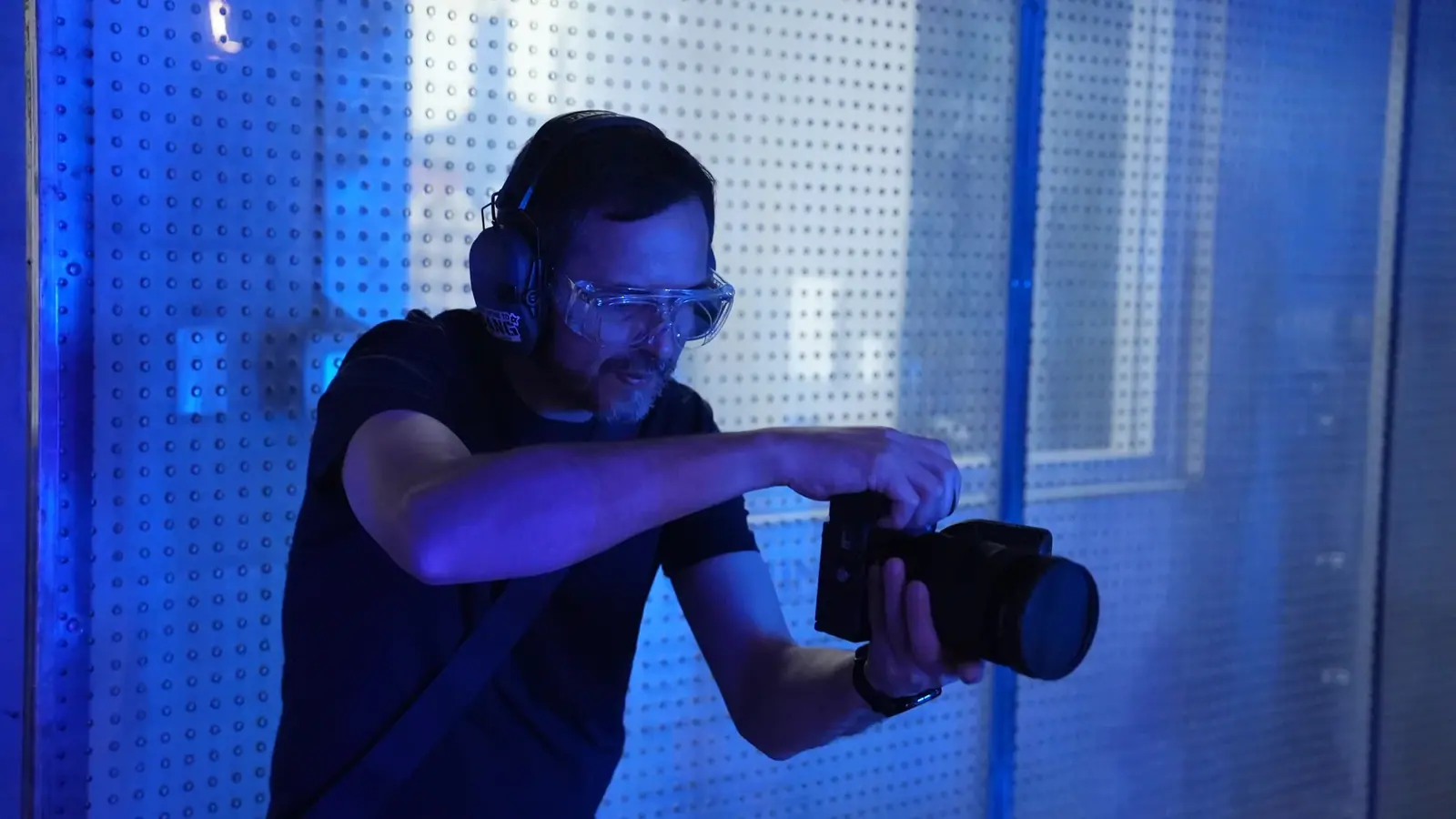
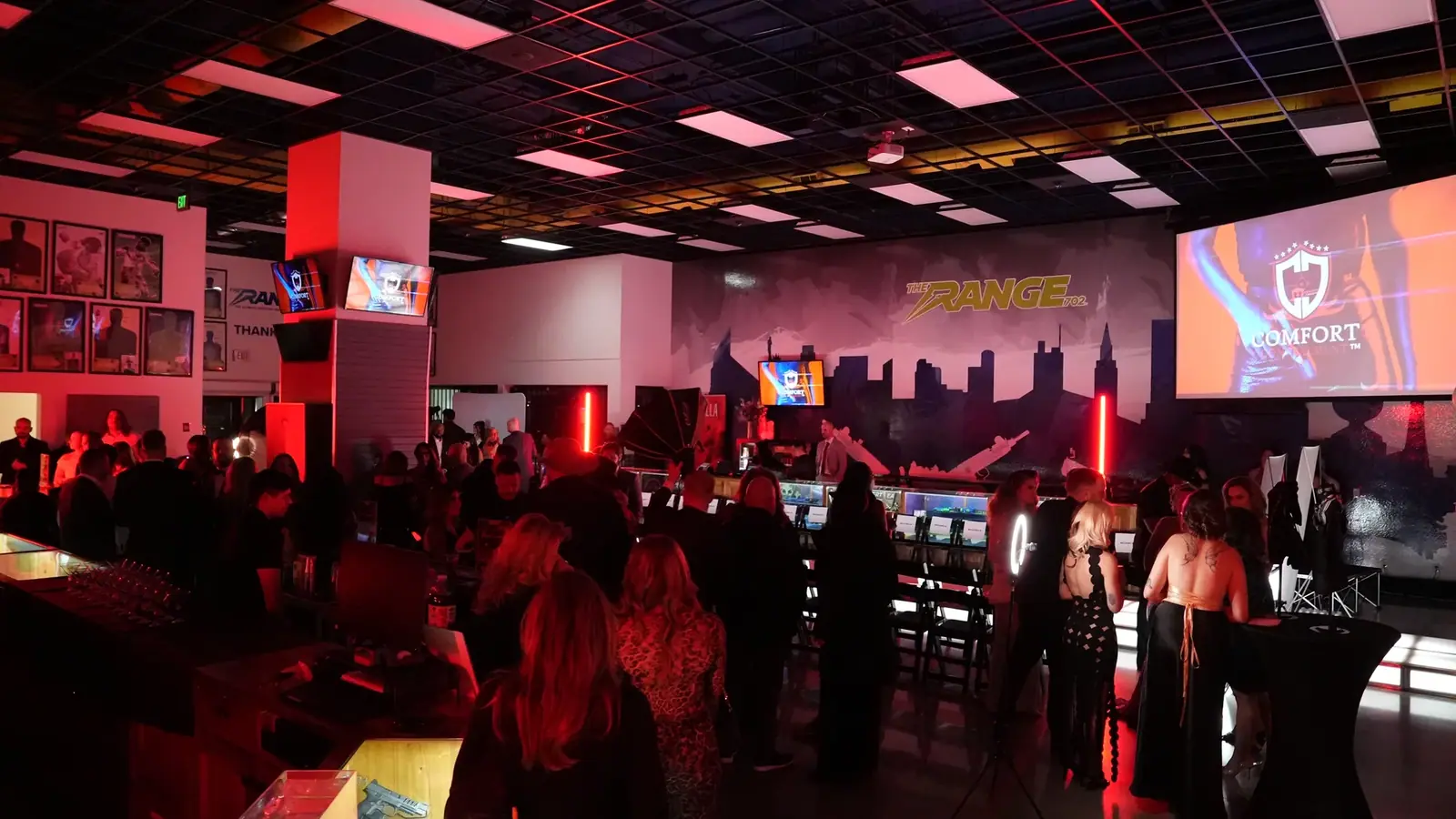
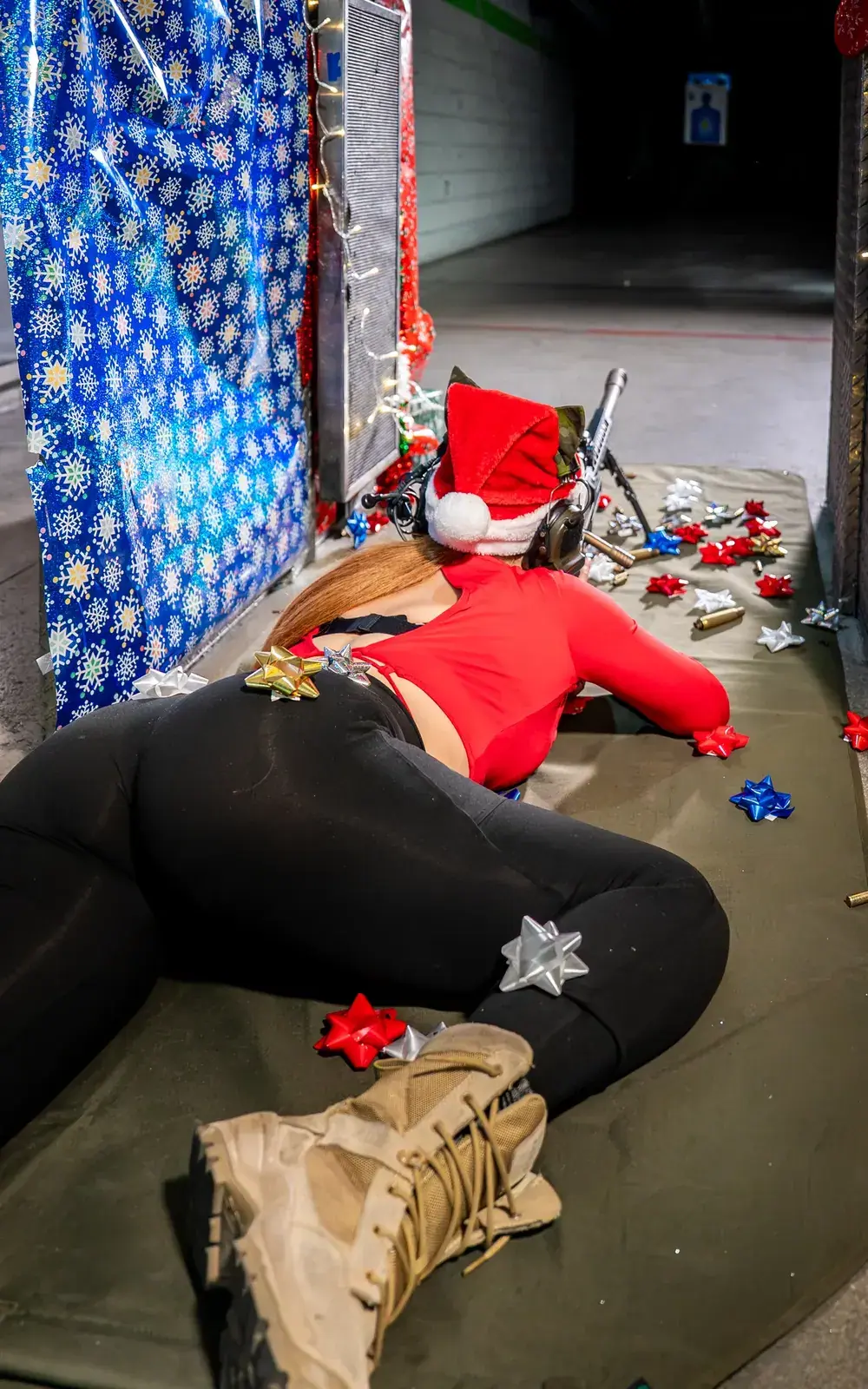
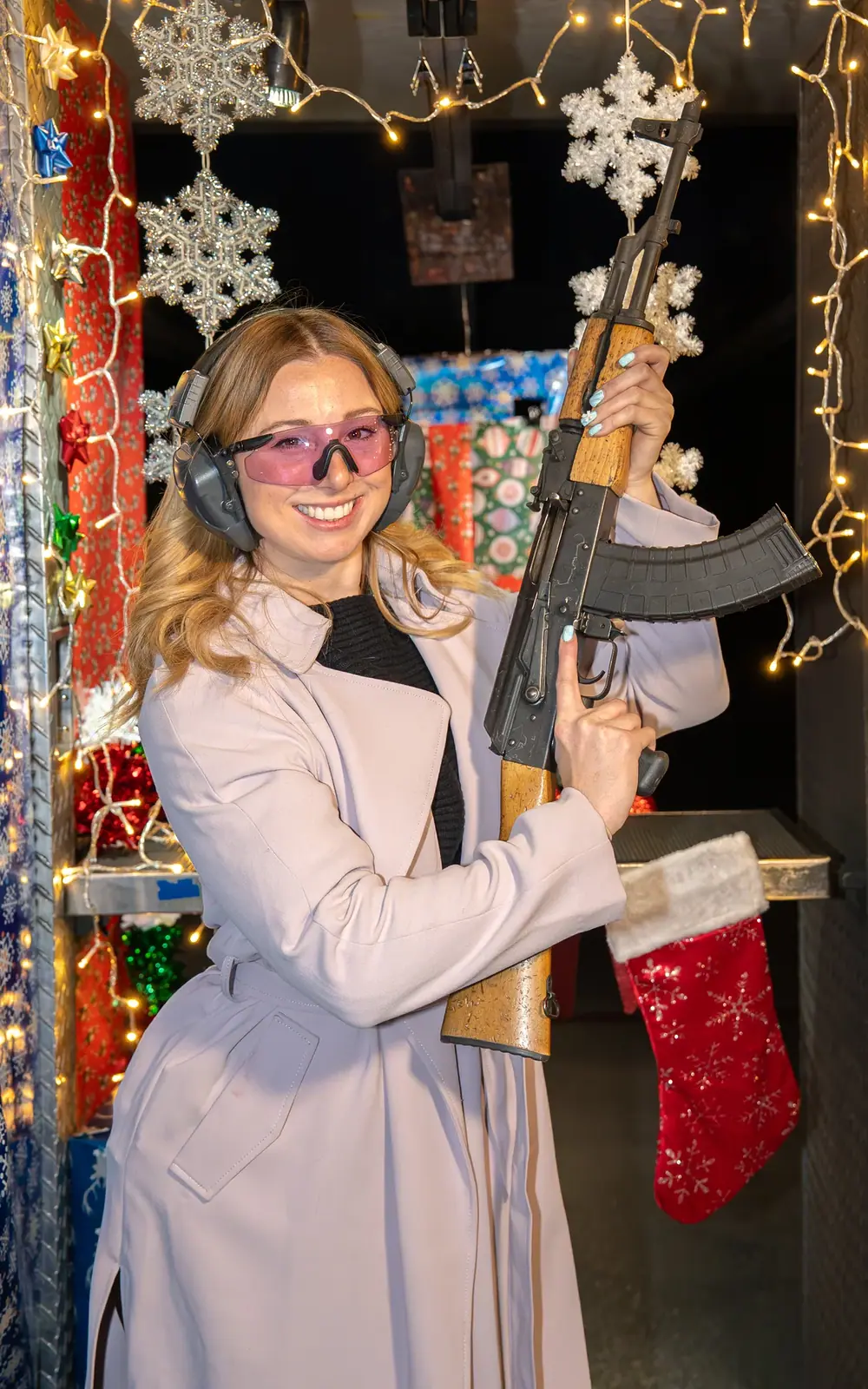
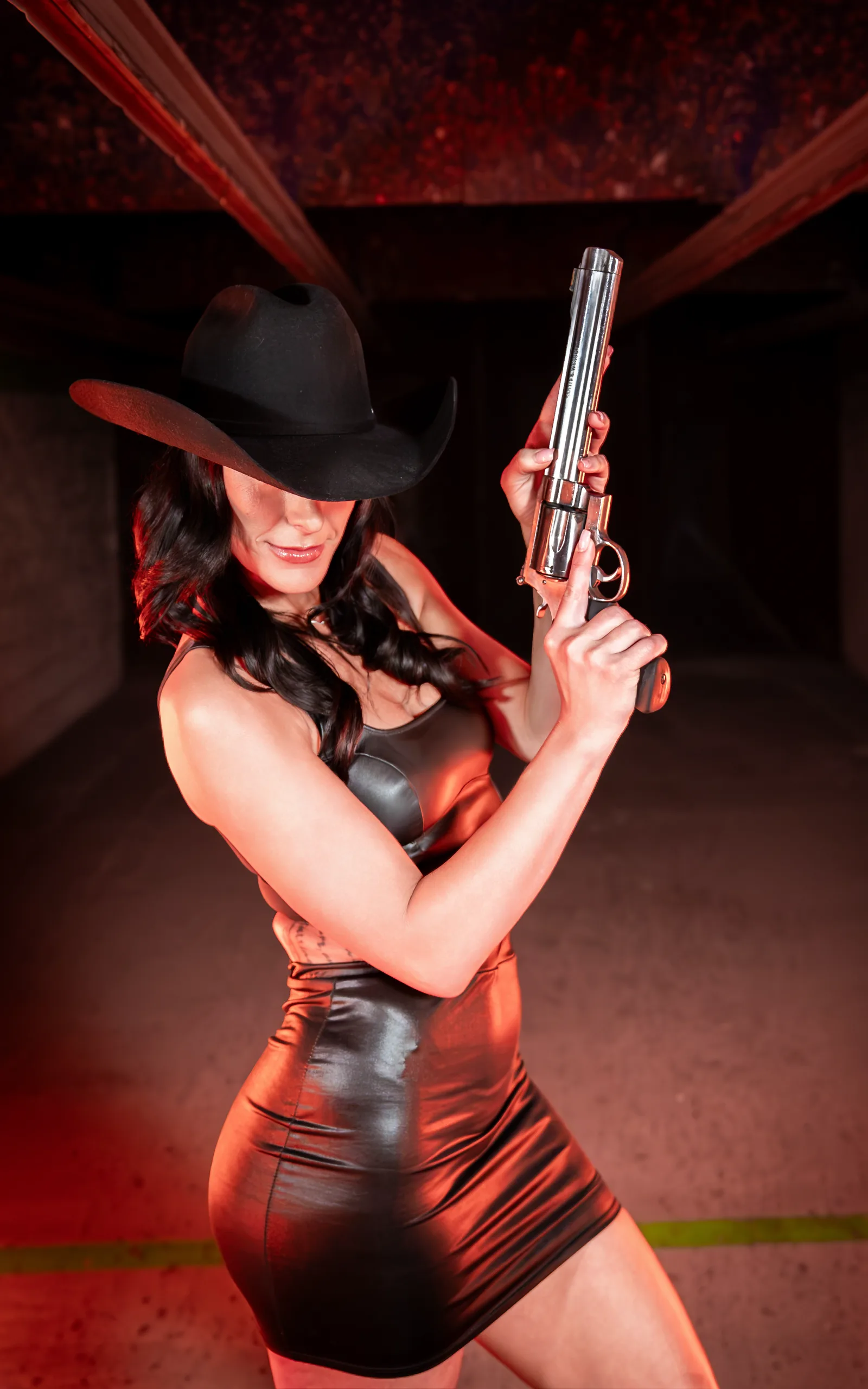
Project Gunway and The Range 702.
- E-commerce and catalogue. Consistency is the entire product. Same light, same distance, same crop, garment after garment. Nobody wins awards for it and it is the work that actually sells inventory.
- Lookbook. The collection shown as a coherent story rather than a grid. Styled, usually on location or a built set, and the piece a buyer or a boutique actually flips through.
- Campaign and editorial. Mood over completeness. Fewer frames, more production, and the images that define how the brand feels for the next twelve months.
- Show and runway coverage. Live, unrepeatable and technically nasty. Fixed position, punishing mixed light and one pass per look.
The most common and most expensive briefing mistake is asking for campaign-tier imagery while budgeting for a catalogue day. They are not the same shoot and no amount of retouching closes that gap afterwards.
Fashion is one of our largest bodies of work. That includes full runway and backstage coverage for Project Gunway, campaign and model work for The Range 702, and editorial and product work for Beretta. Every image on this page came off one of those shoots, which is the only kind of image we will put on a page selling photography. See the fashion work →
Runway and show coverage
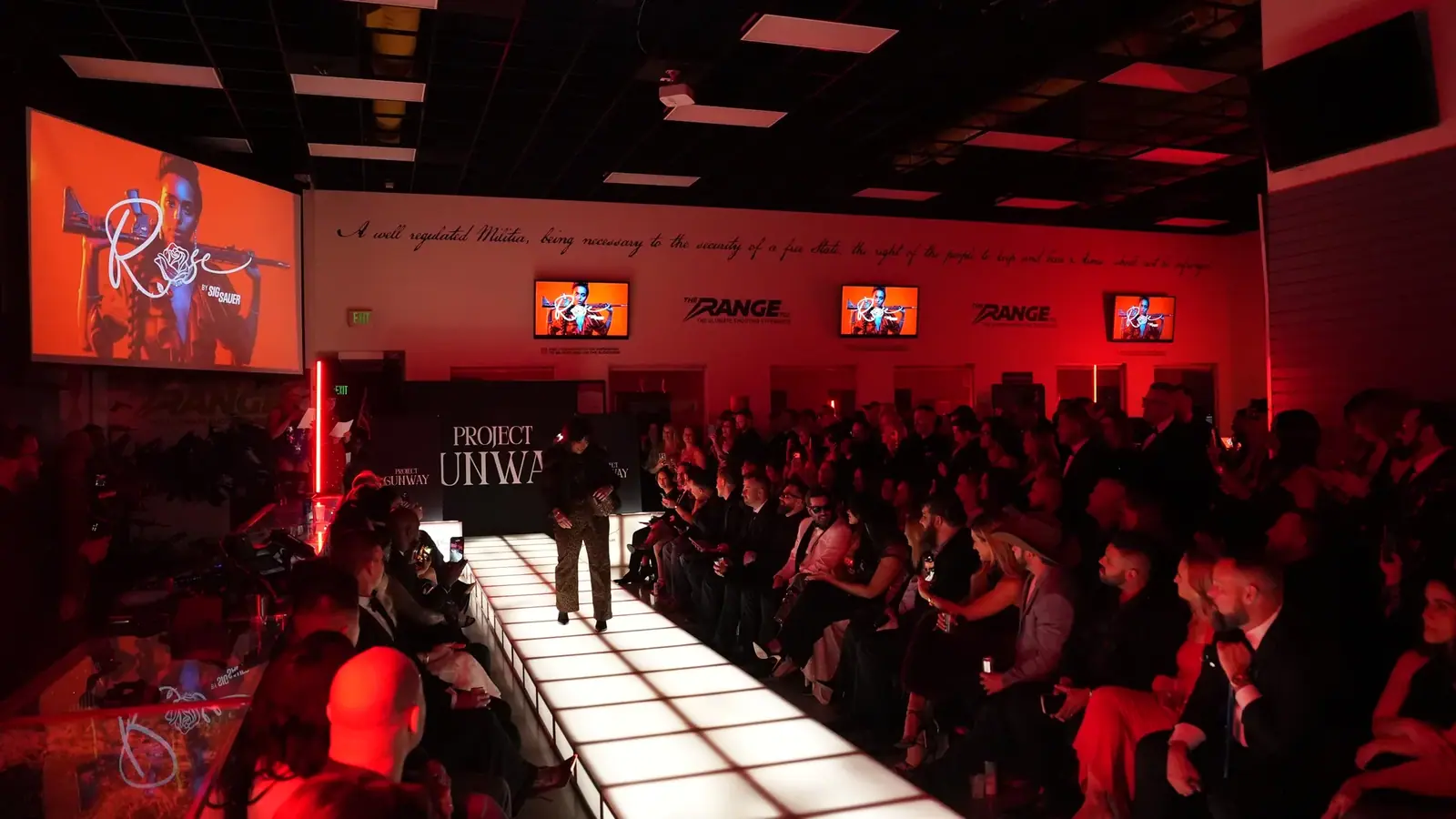
A show is an event, not a photo shoot, and it rewards planning far more than gear. Most of the gallery that gets used afterwards was not shot on the runway at all.
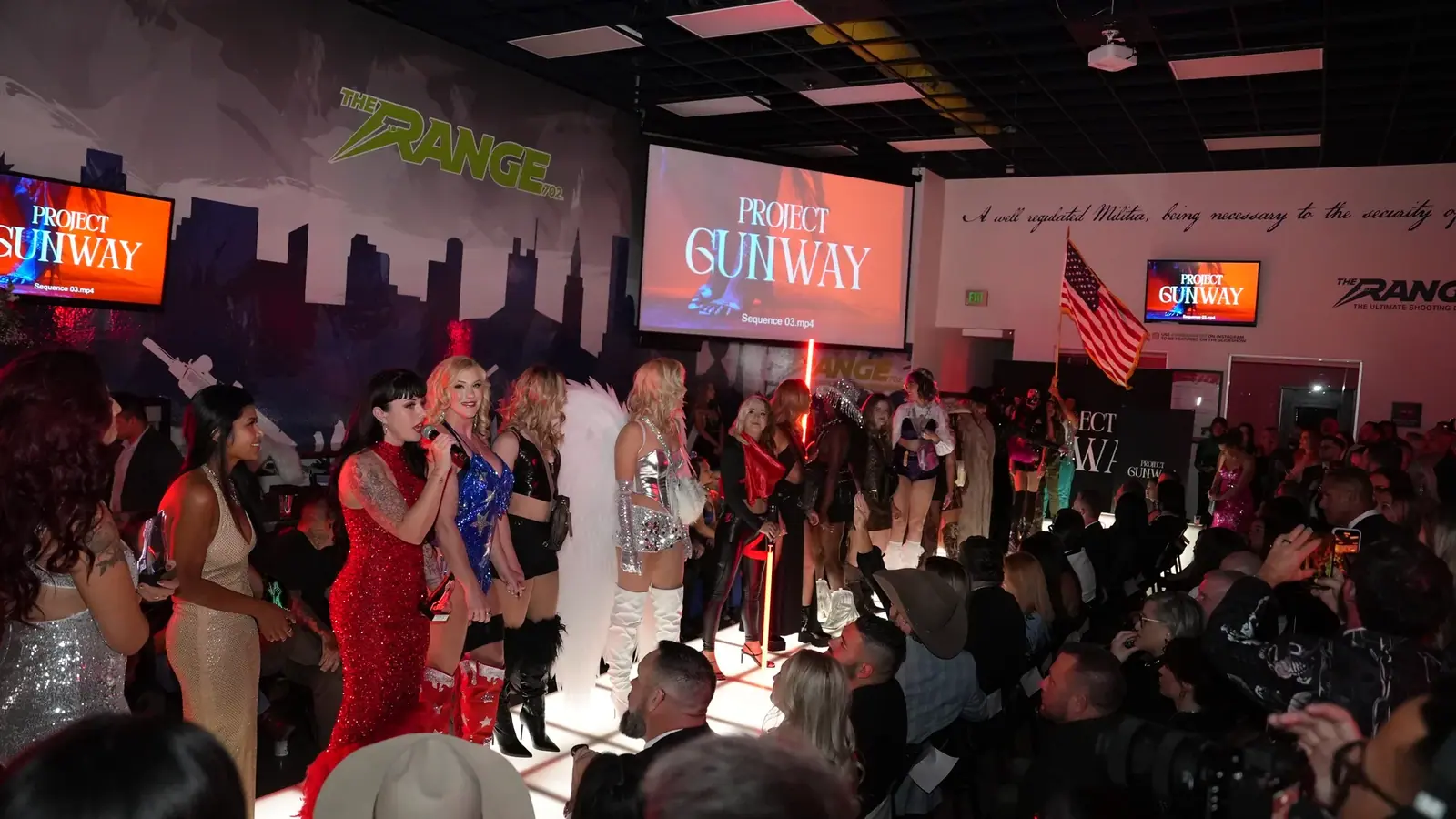
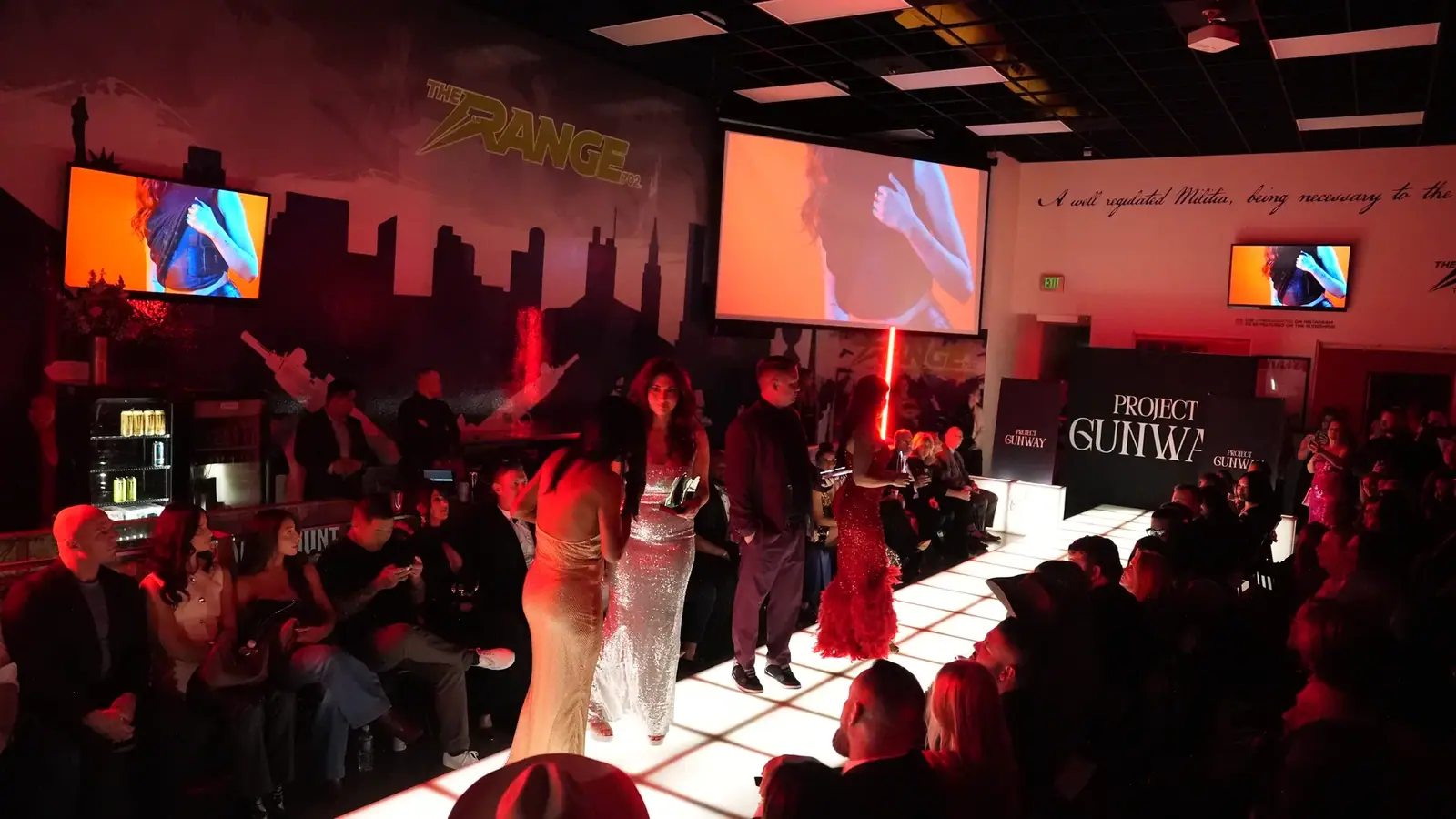
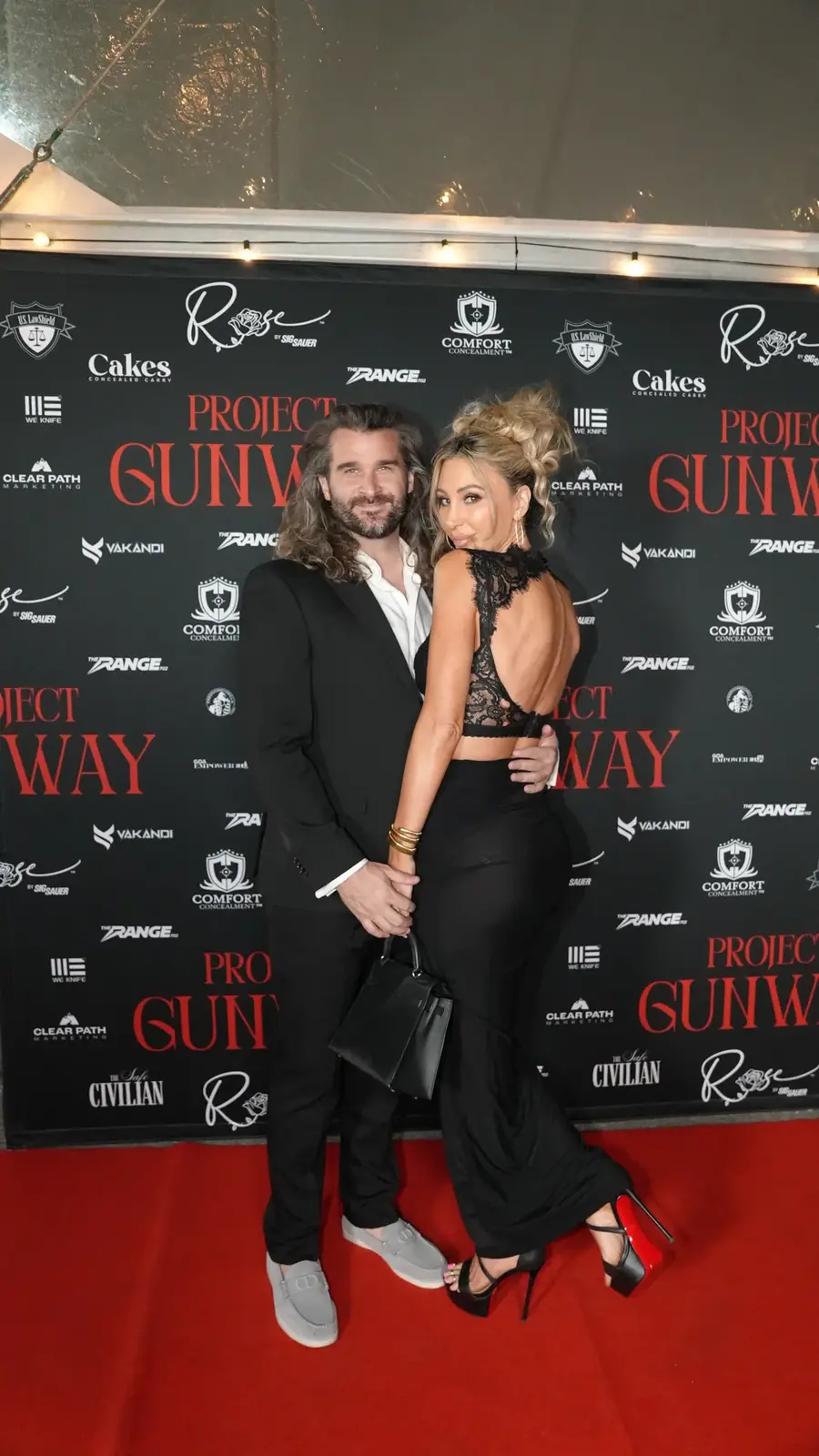
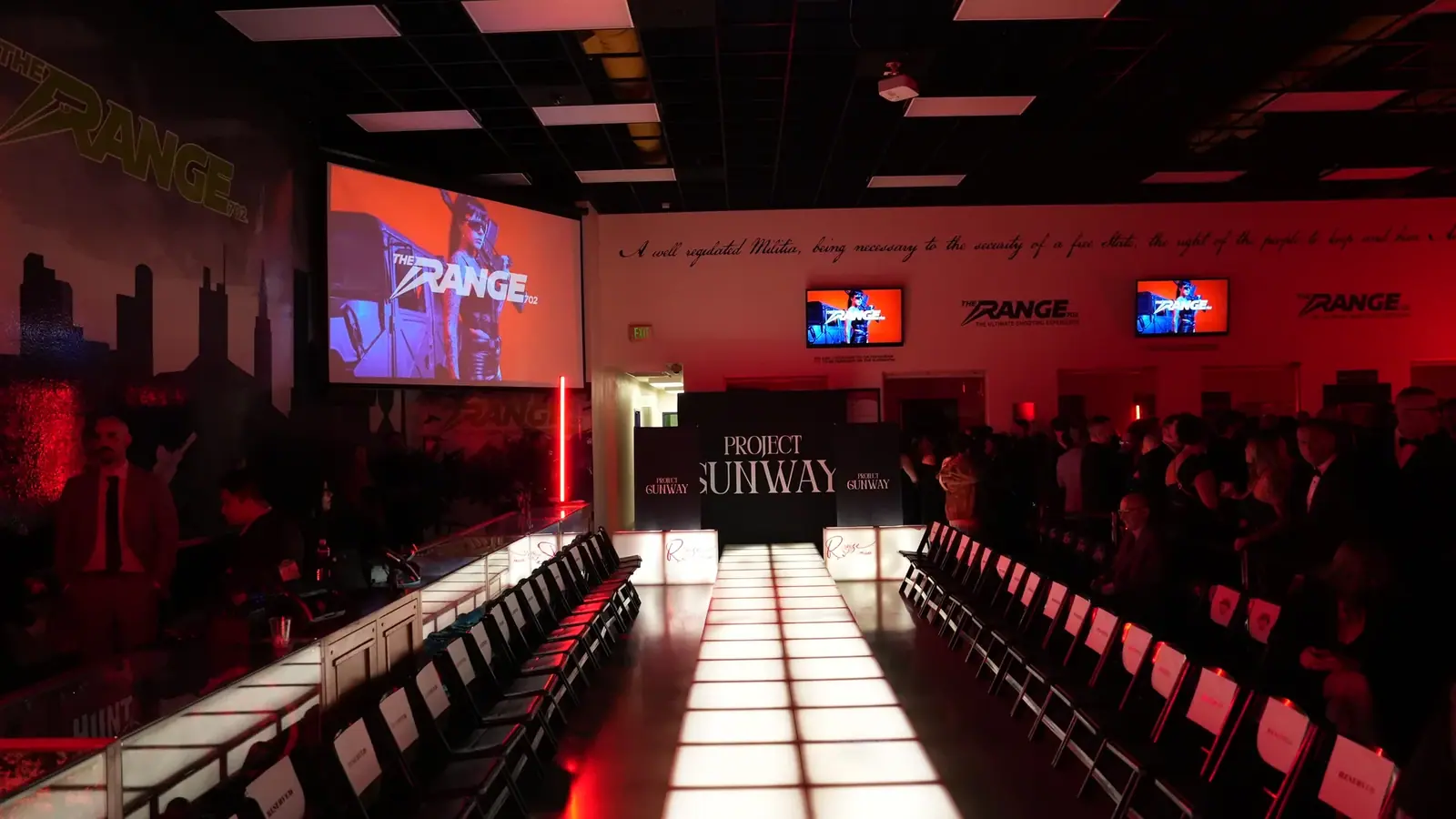
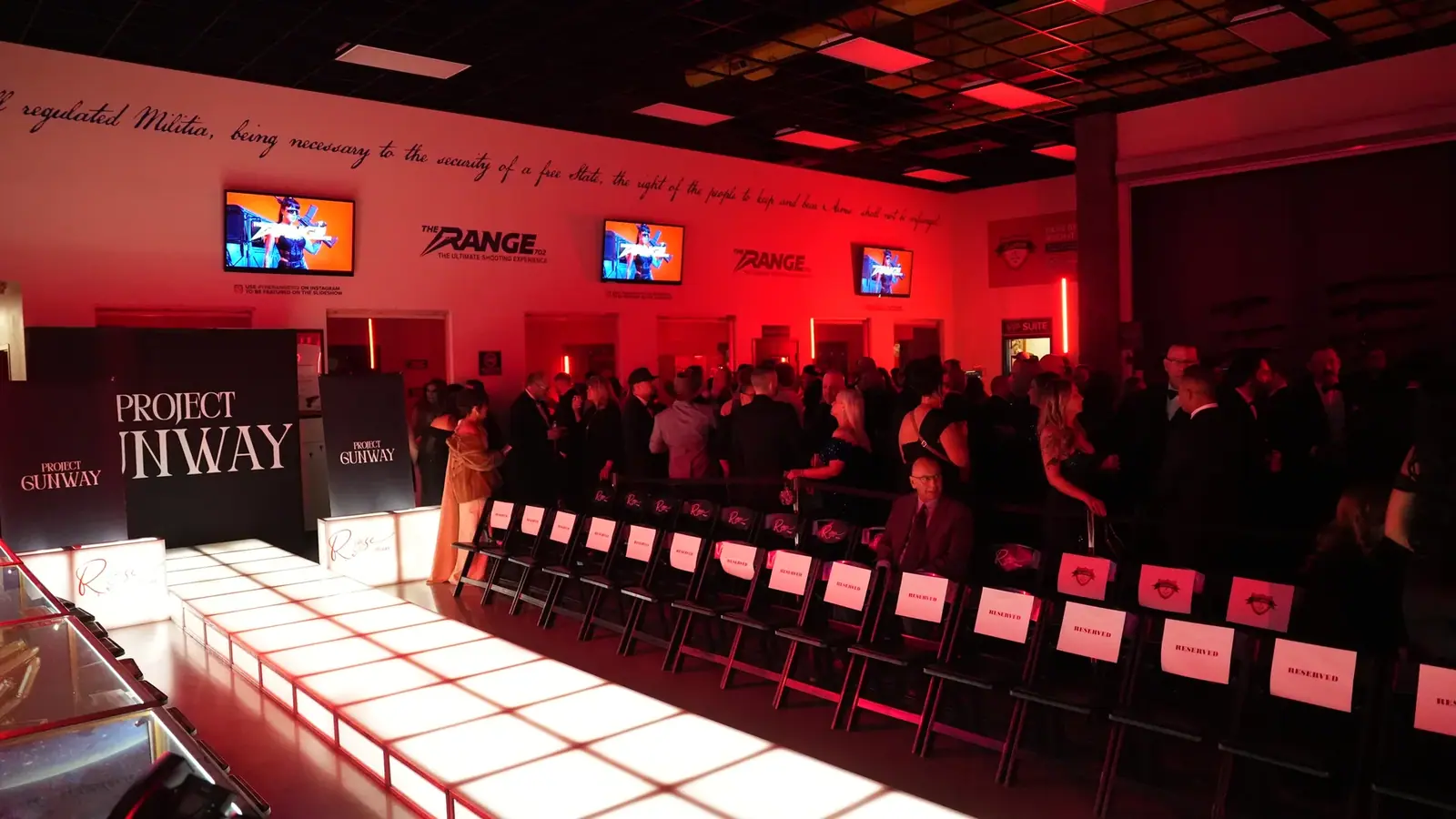
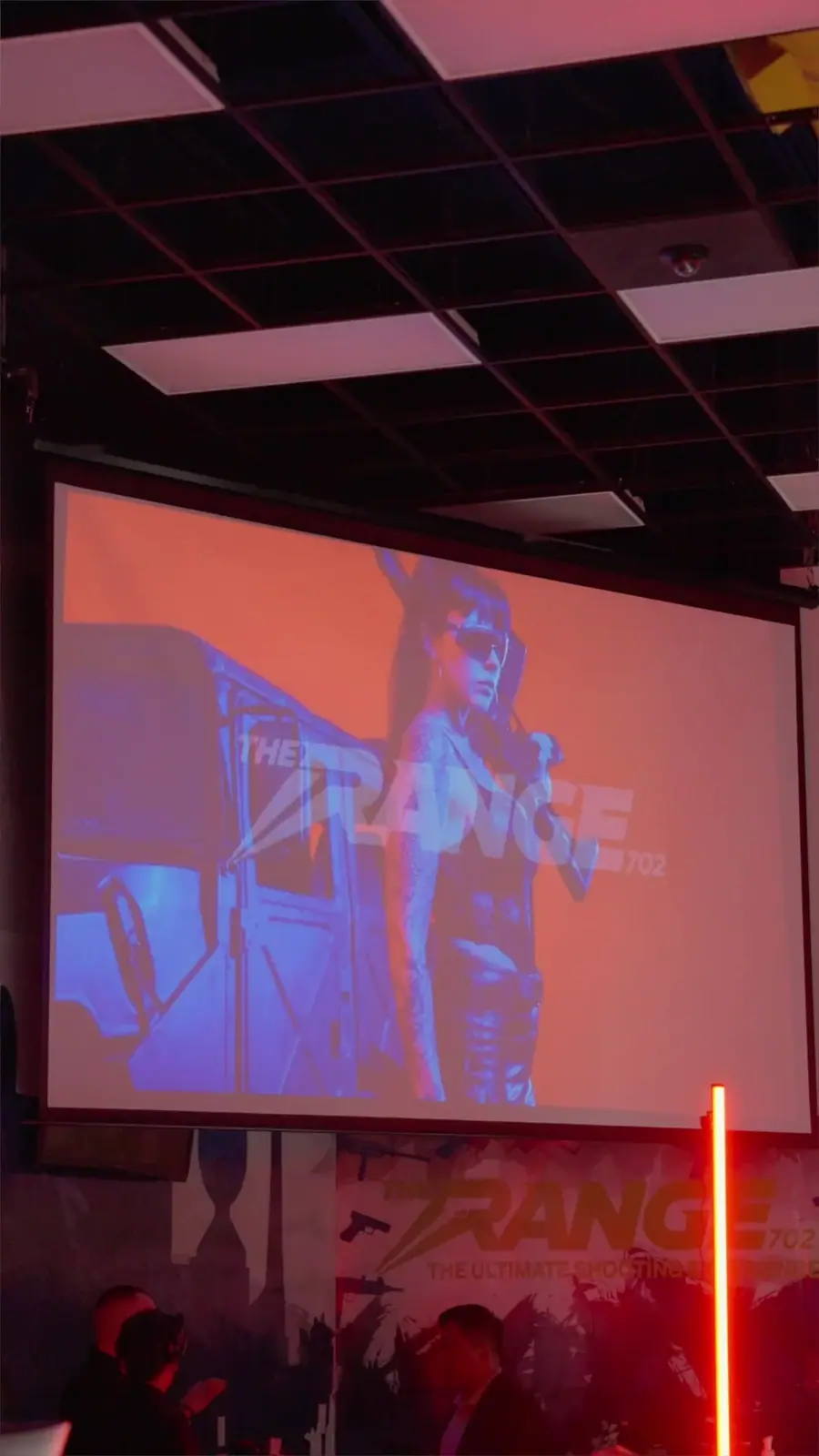
Project Gunway.
- Backstage is the most valuable half hour of the night. Hair, makeup, last-minute pinning, nerves. It humanises the brand and it is where the content that performs on social actually comes from.
- Shoot the empty set before doors. The staging, the seating, the signage. Sponsors need it, next year's deck needs it, and it stops existing the moment the room fills.
- Lock your position and stay in it. Runway lighting is designed for the audience, not the camera. A photographer wandering for angles will miss looks, and a look missed is a garment with no photograph.
- Every look needs at least one clean full-length. This sounds obvious and it is the thing brands discover missing afterwards, usually for the piece they most wanted to sell.
- Front row and arrivals carry the PR value. Press and sponsors care about who was there as much as what walked.
- Mixed colour temperature is the technical problem. Stage wash, house lights and screens rarely agree. This is where phone footage and inexperienced shooters fall apart completely.
Studio, lookbook and e-commerce
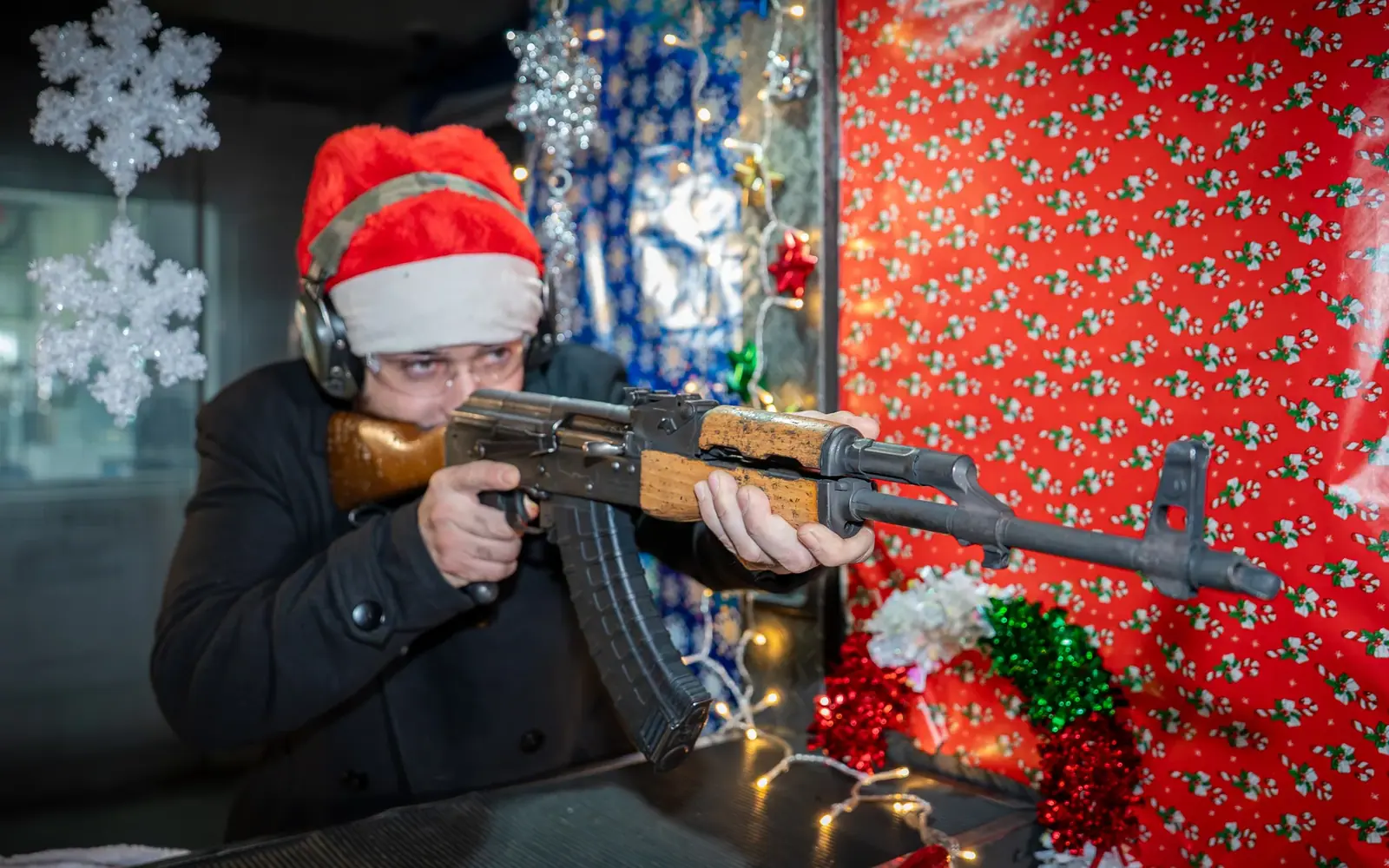
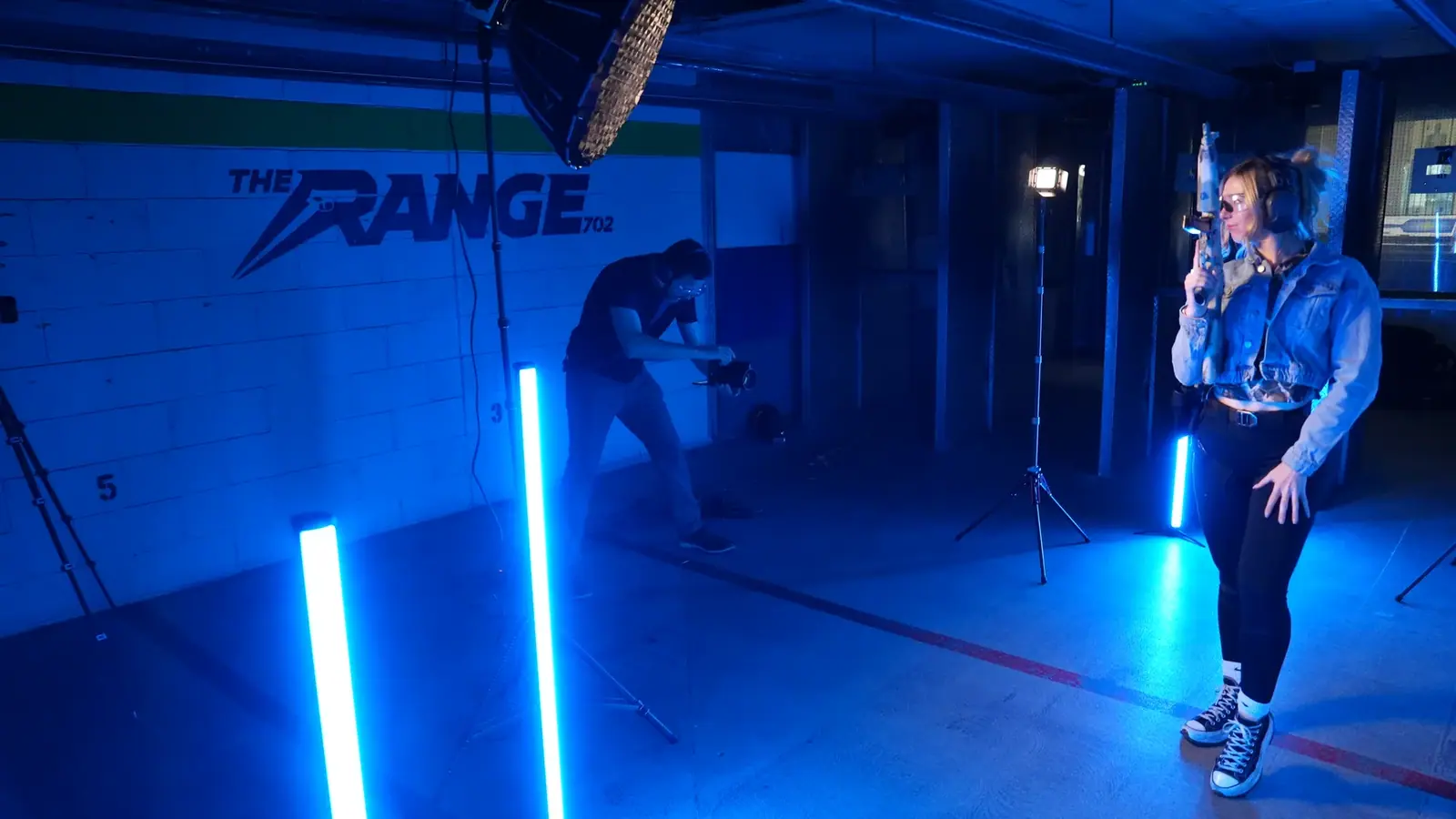
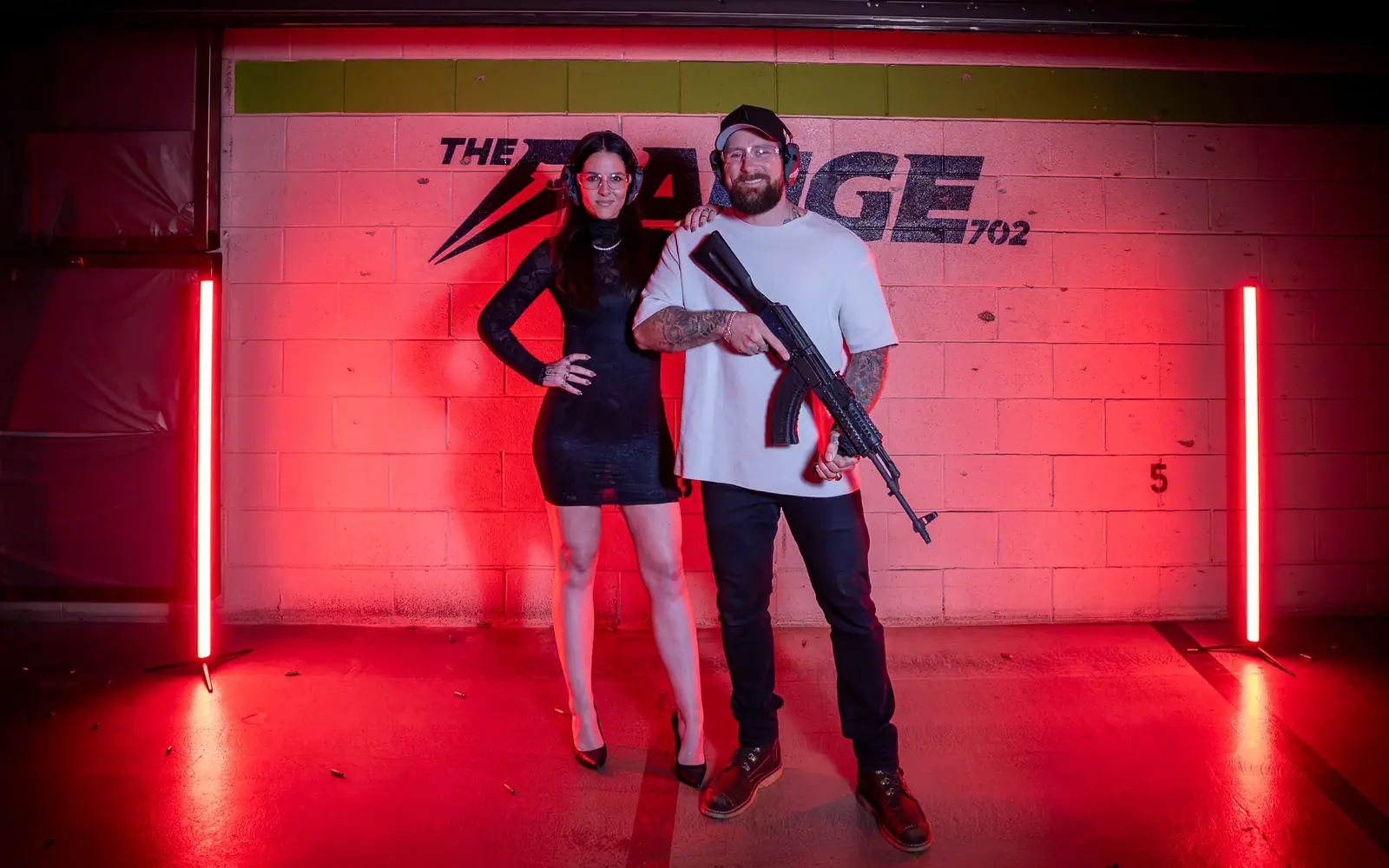
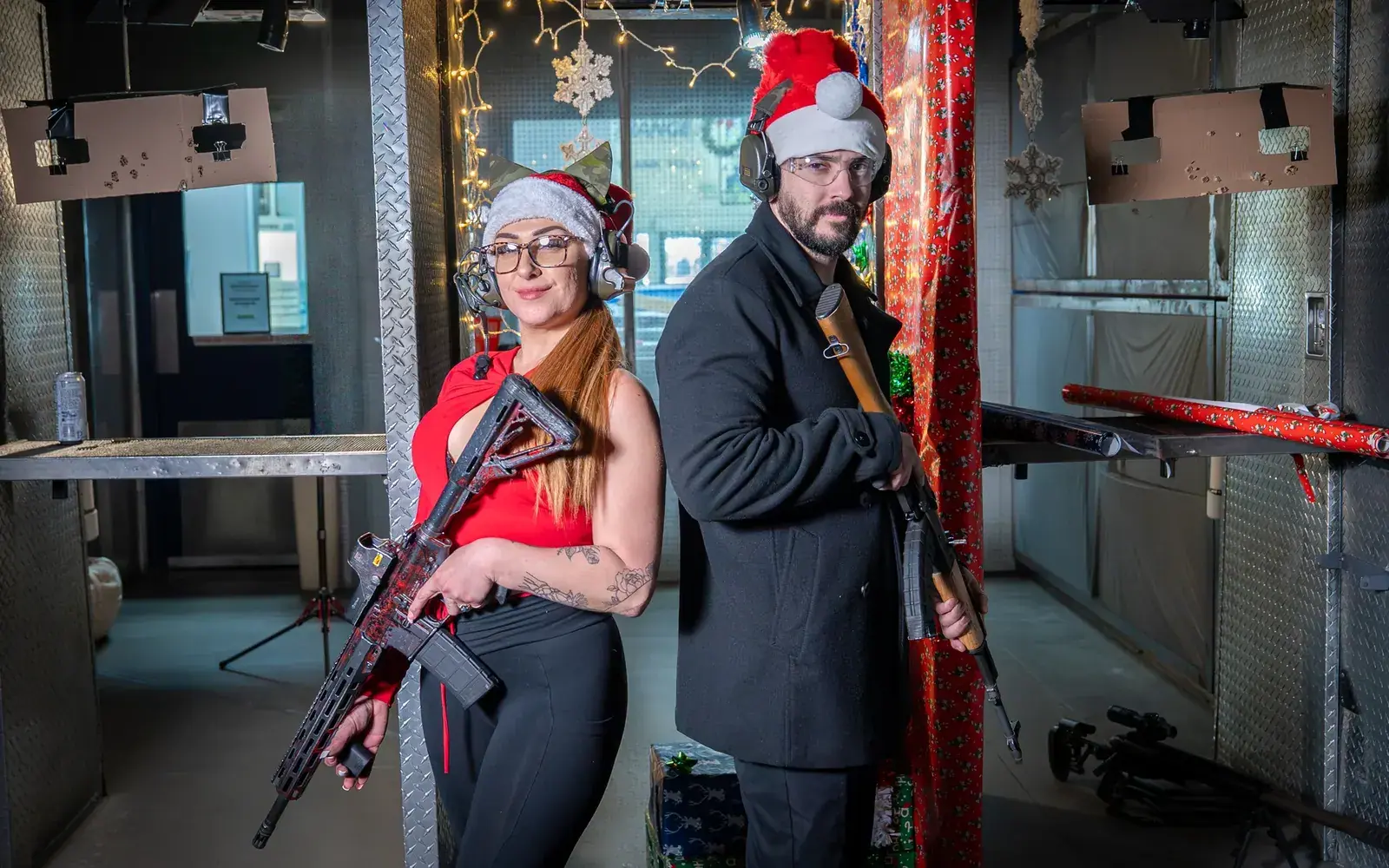
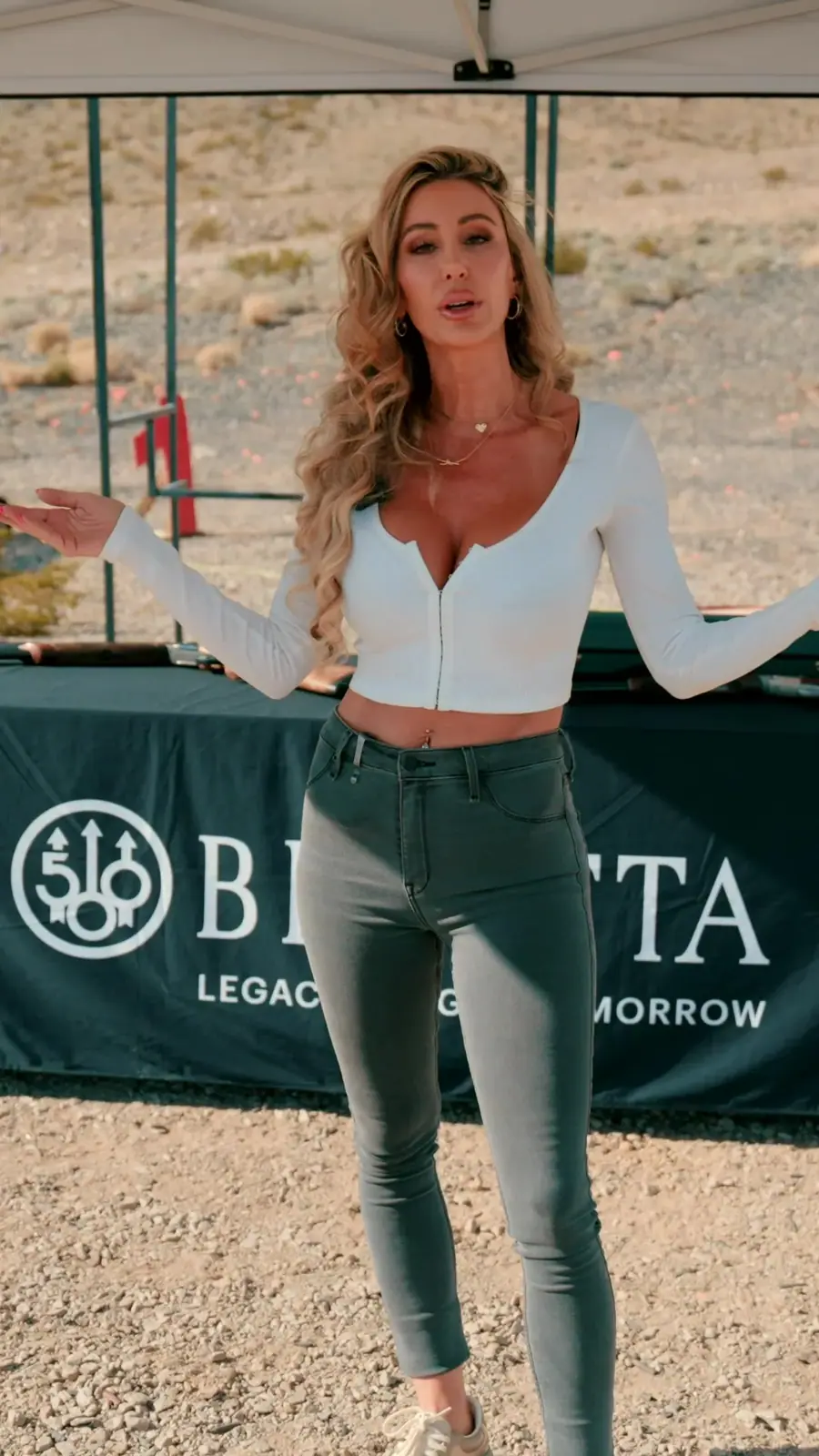
Project Gunway and Beretta.
- Steam everything, then steam it again. Wrinkles are the single largest retouching cost in apparel work, and they are free to remove on set and expensive to remove in post.
- Book a dresser if the look count is high. The photographer is not the bottleneck. Wardrobe changes are. A dresser pays for themselves before lunch.
- Decide the crop before the first frame. Marketplace listings, your own site and paid social all want different ratios. Shooting one and cropping into the others loses composition every time.
- Colour accuracy is not optional in apparel. If the garment photographs a shade off, you will eat the return. Shoot to a colour reference and check it on set rather than hoping.
- Movement sells fabric. A dress that moves photographs completely differently from a dress hanging still. Build motion into the direction, and capture it as video while you are at it.
- Dallas gives you real location range. Deep Ellum brick and murals, Arts District modernism, downtown glass and genuine golden hour that reaches street level. The filming locations guide covers what each area gives you and where permits apply.
Shoot the video at the same time, always
Fashion is the category where splitting stills and motion across two bookings makes the least sense, and where most brands still do it:
- The model, the styling and the light are already there. Getting a garment on a person who looks right in it is the expensive part. Capturing thirty seconds of motion while that is true costs almost nothing extra.
- Vertical video is what actually sells apparel now. A still shows the garment. A three second clip of it moving shows the drape, the weight and the fit, which is what the buyer is actually trying to judge.
- Paid social needs its own cuts. Faster hook, product visible sooner, music licensed for advertising. Cut deliberately rather than reusing an organic post.
- Your stills and your video will finally match. Two vendors on two days produce a brand that looks like two brands.
- One session, one invoice, one setup. This is the whole argument for how we work, and it is covered in the content day guide.
Planning a Dallas fashion shoot
- Build the shot list from the look list. Every garment that has to sell needs a named frame. Work backwards from the line sheet, not from mood board images.
- Confirm samples exist and fit. The most common day-of disaster in apparel is a sample that has not arrived or does not fit the booked model. Check both a week out.
- Book around market week, not into it. If your buyers are in town, crew, studios and models are all in demand at once. Plan early or shoot either side of it.
- Get model releases signed on the day. Chasing a release six months later when you want to run a paid campaign is a bad position to be in.
- Watch summer light. June through September, usable exterior light in DFW is realistically before 10am or after 6pm, and models in heavy garments in Texas midday heat is its own problem.
- Name one decision-maker on set. Fashion shoots generate constant small styling calls. Someone with authority needs to be present and not simultaneously in meetings.
Collection to shoot in Dallas?
20-minute call. We will build the shot list off your line sheet and quote within 48 hours.
Book a CallMore Dallas guides
- Las Vegas drone laws: where you can fly
- Corporate headshots for your team
- Dallas product photography & video
- Dallas drone videographer: what is actually legal
- Denton video production & live music filming
- Richardson video production & the Telecom Corridor
- Las Vegas hotel & resort photography
- Dallas commercial photographer & corporate headshots
- The content day: one shoot, a quarter of content
- Dallas restaurant & food photography
- Dallas hotel & hospitality photography
- Best filming locations in Dallas
- What video production costs in DFW
- DFW trade show & conference video
Every photograph on this page is Picture Perfect Video client work, shot by our crew. More of it is in the portfolio.