Firearms and defense content, made by a crew that belongs on the line.
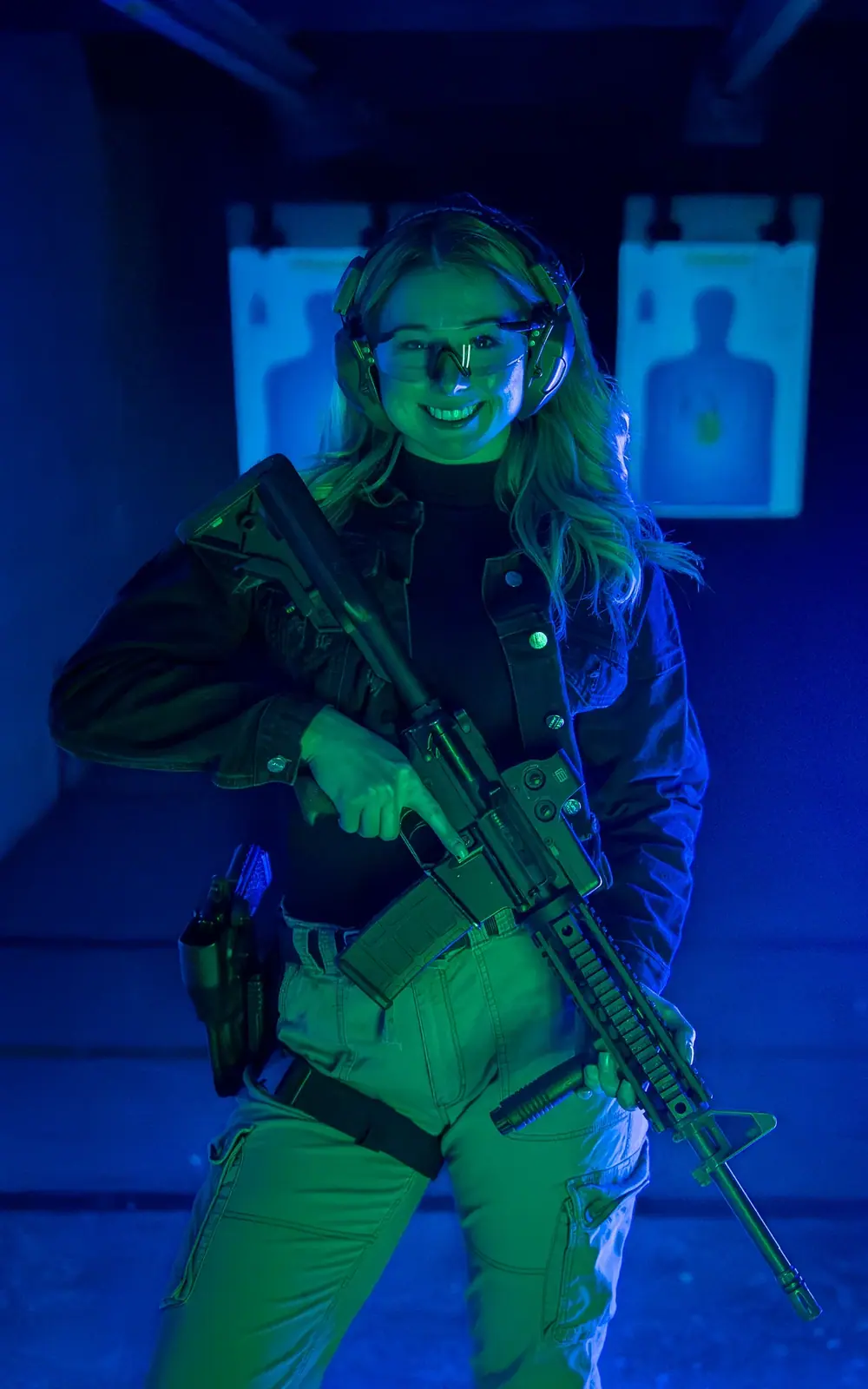
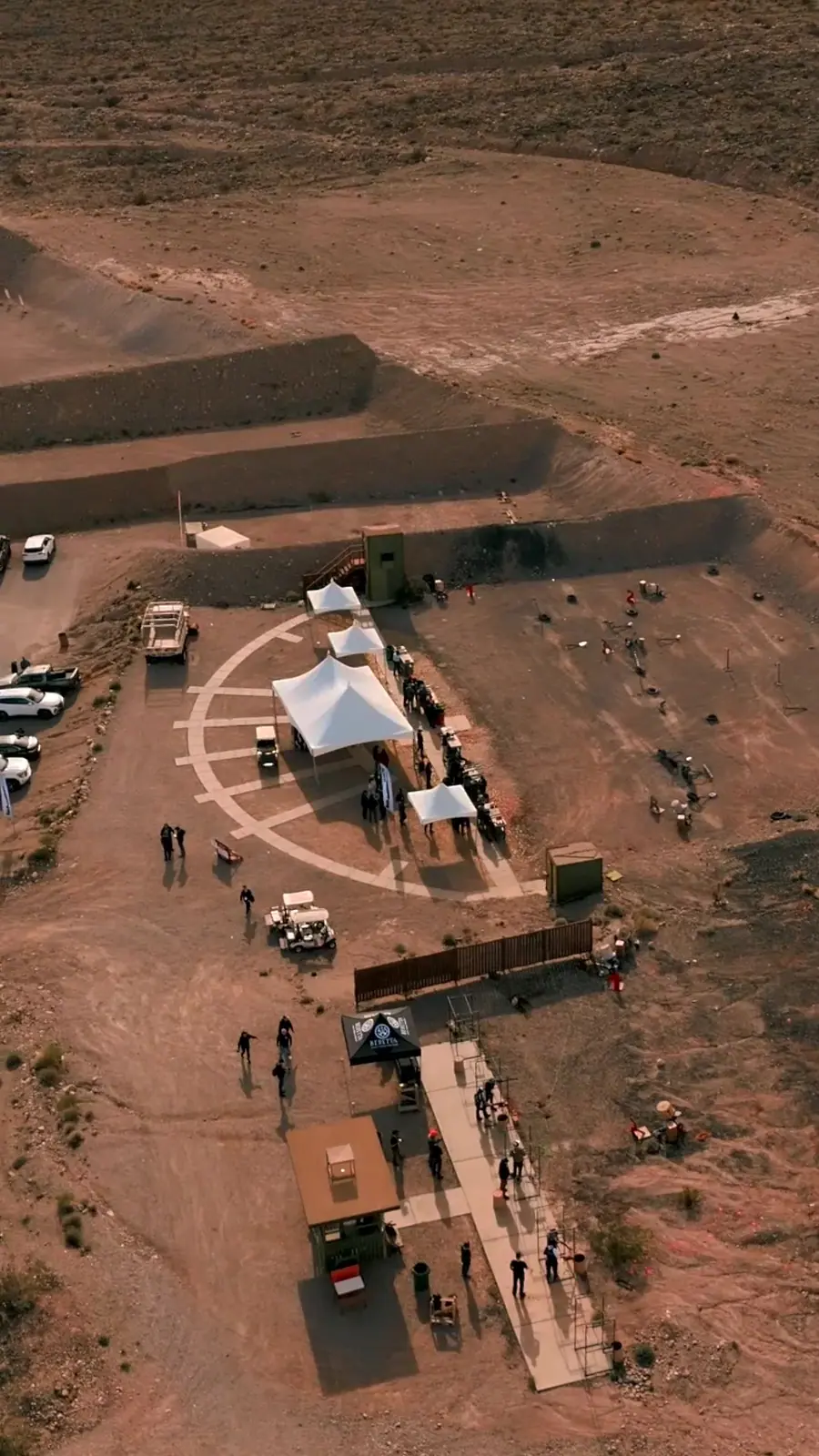
The Range 702. Every photograph on this page is our own client work.
Most production companies will not shoot this category, and most of the ones who will have never been on a live range. That is the actual problem firearms and defense brands are solving when they look for a crew: not whether someone owns a nice camera, but whether they can be trusted on a hot line without becoming a liability. This page is about how that work is done properly.
Safety is the production plan, not a constraint on it
Everything about how a shoot is scheduled, staffed and framed follows from range discipline. A crew that treats safety as an obstacle to the shot is the crew that ends a facility's willingness to host productions.
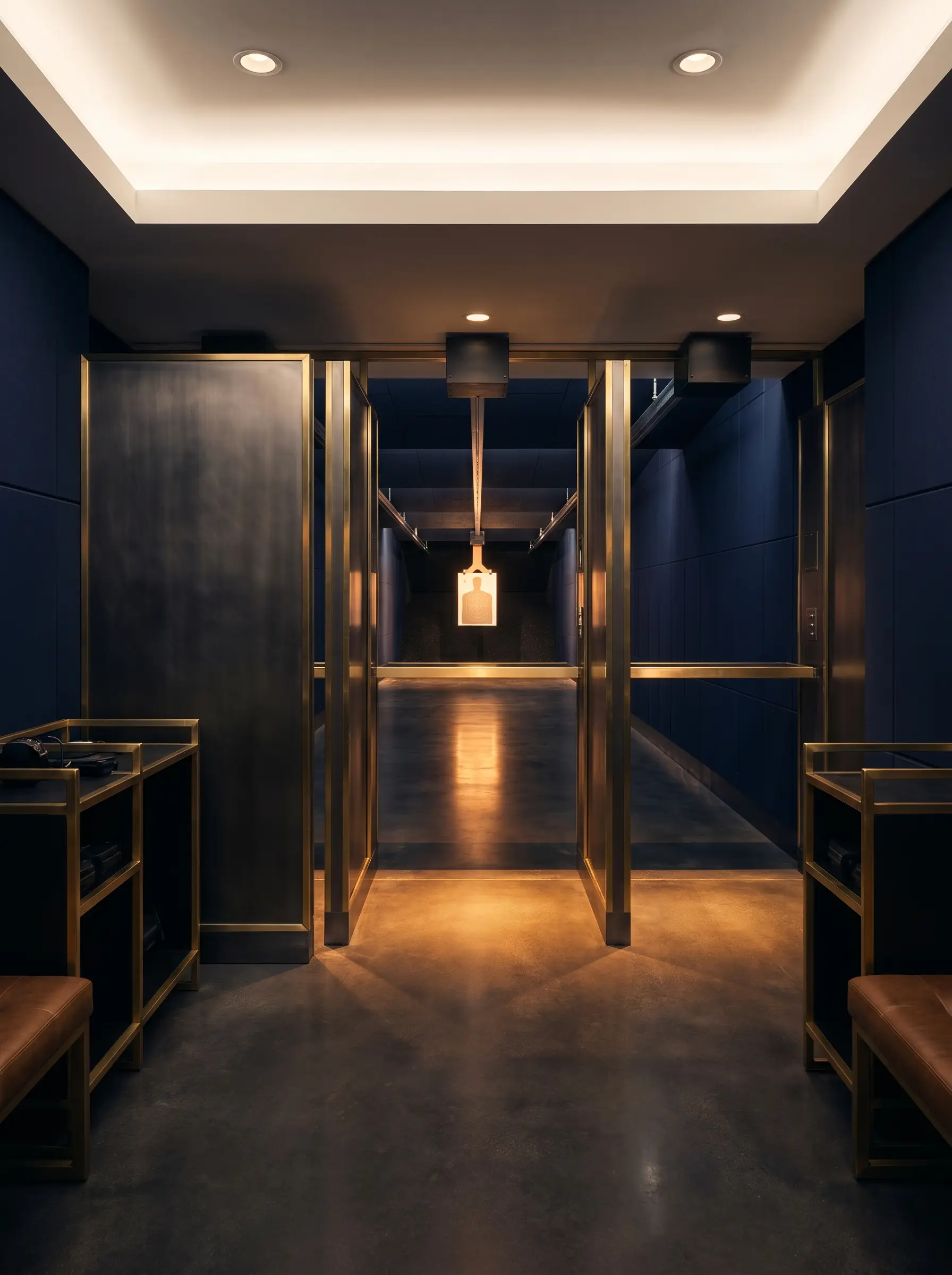
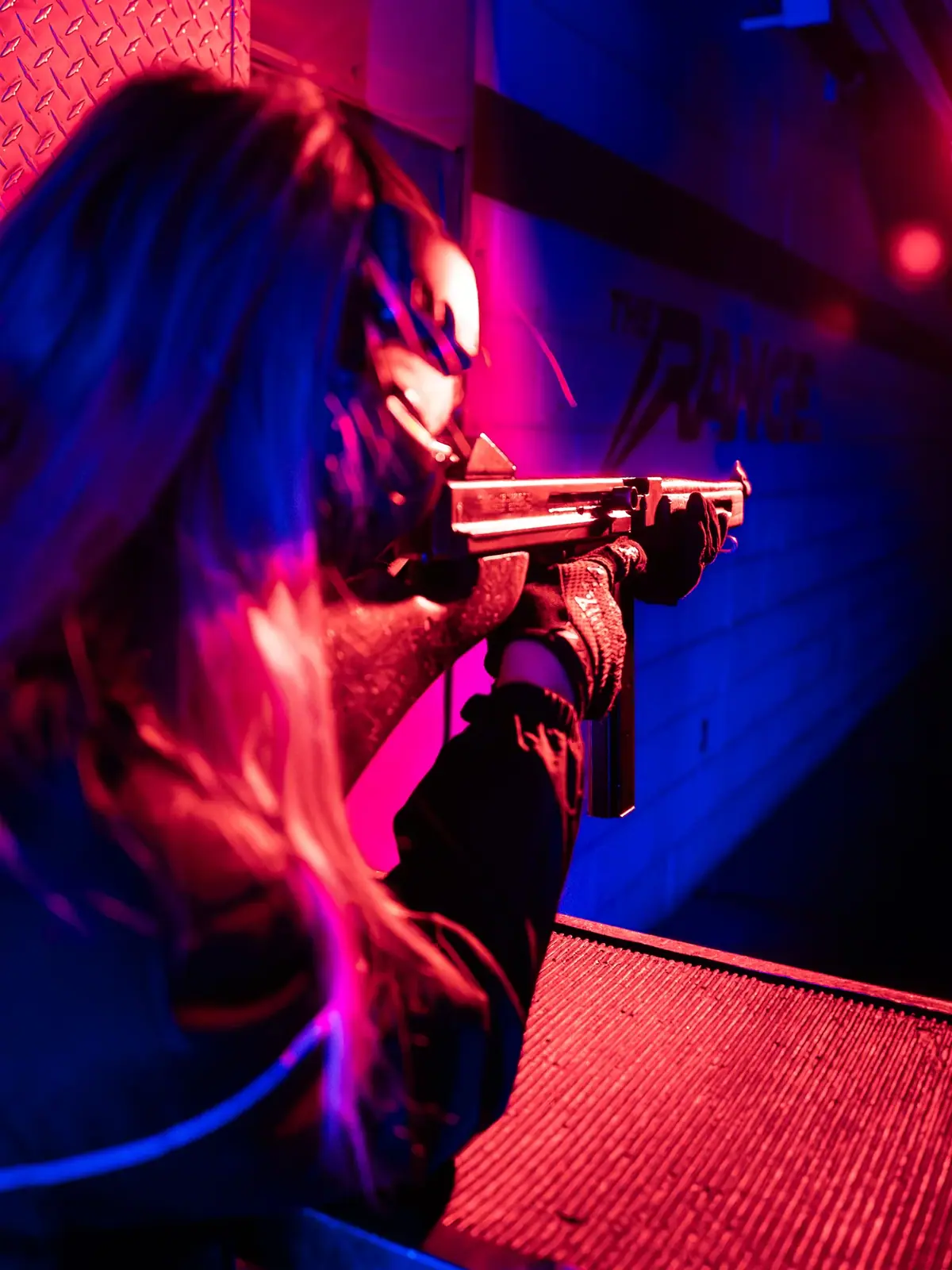
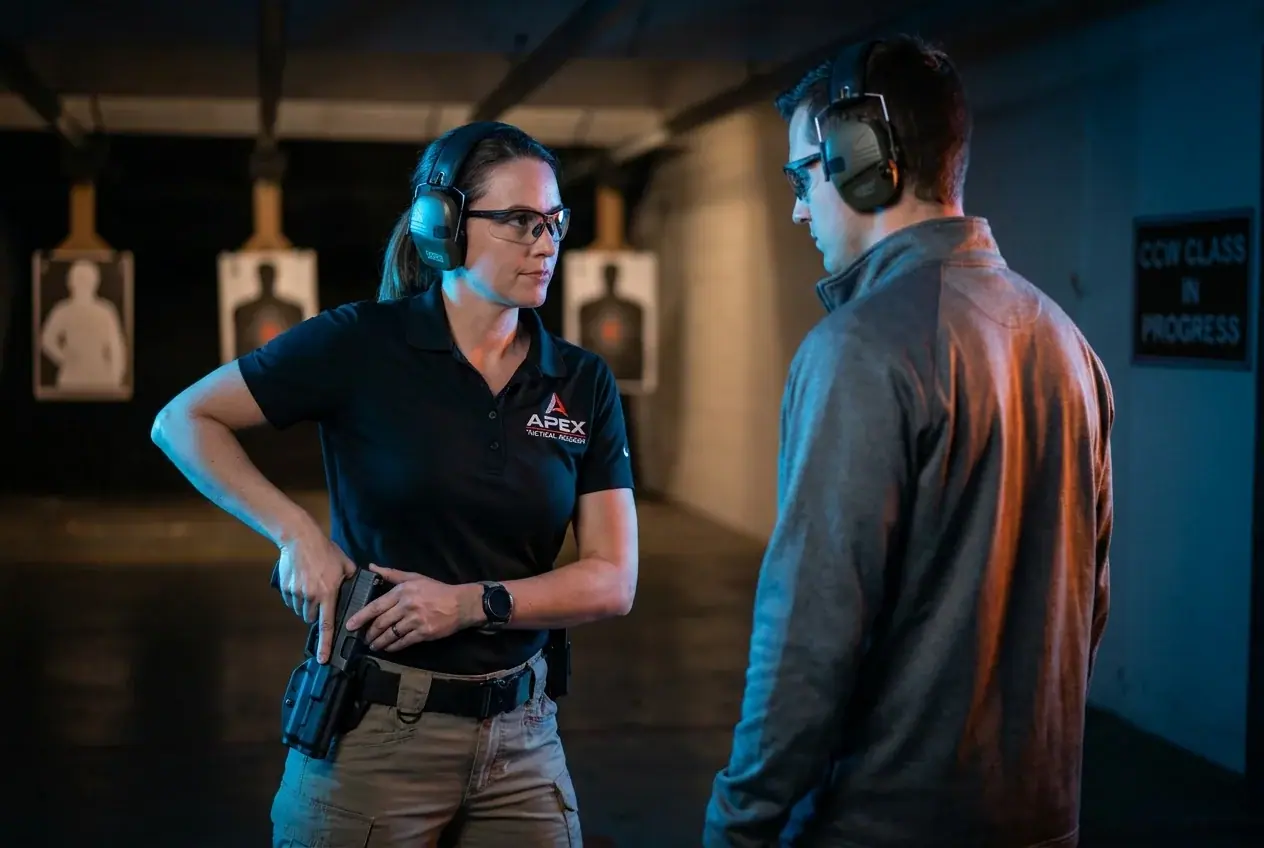
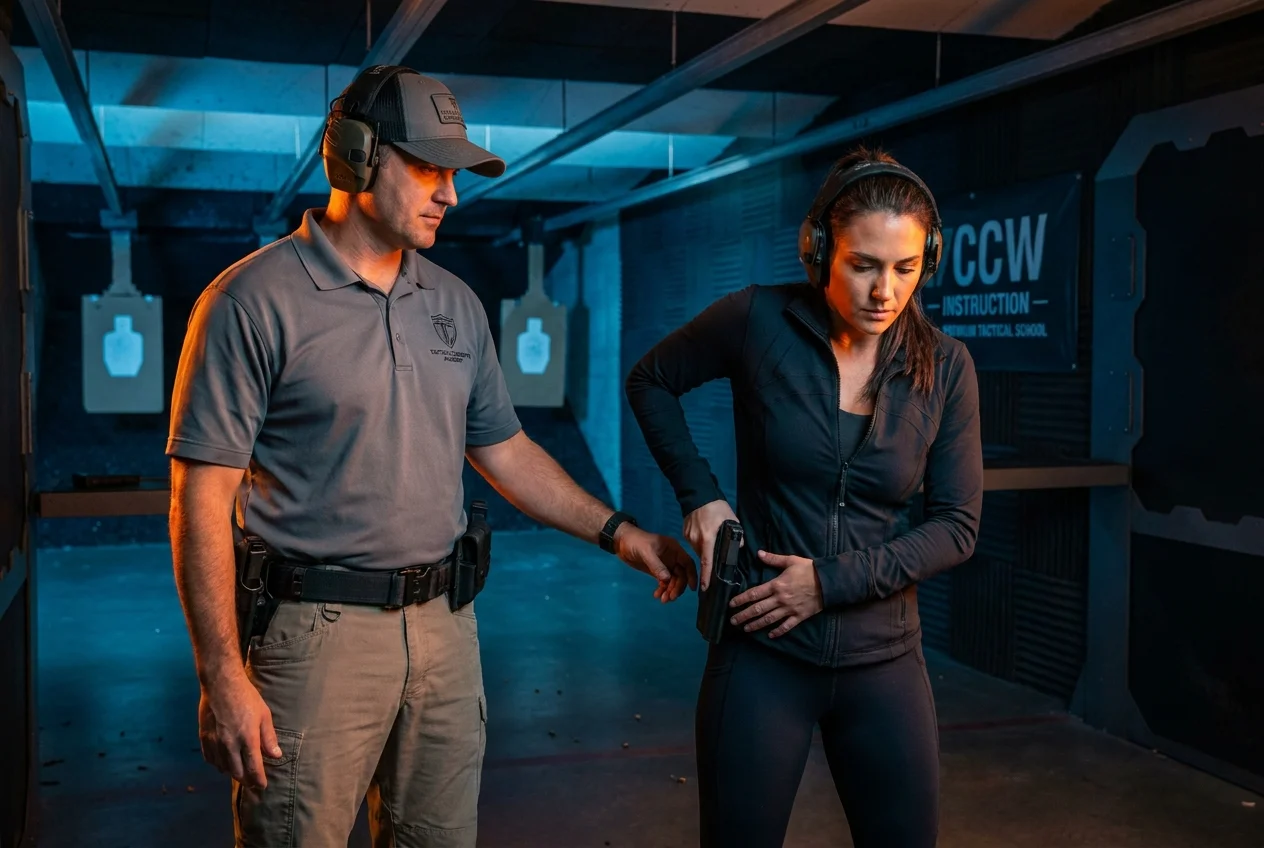
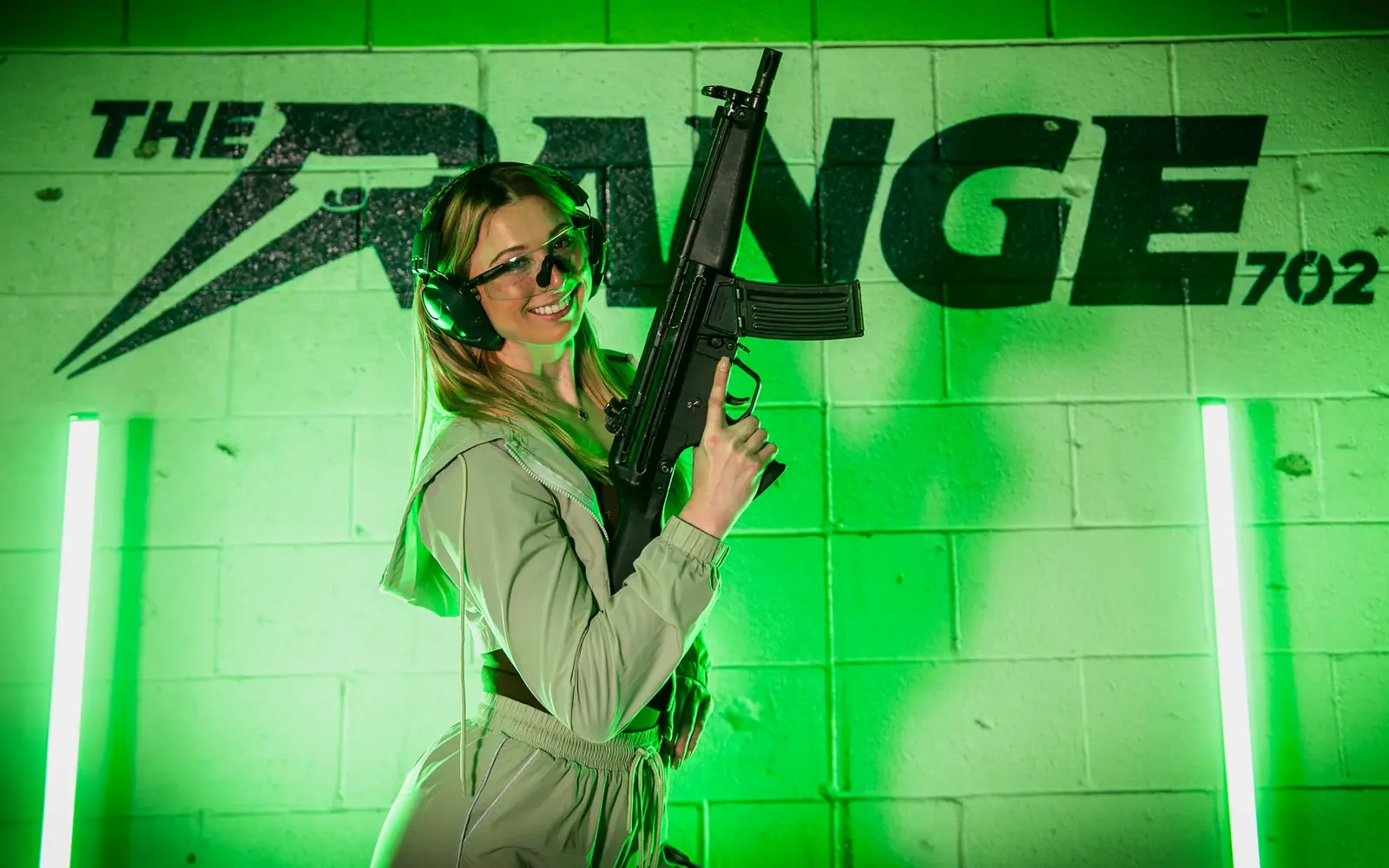
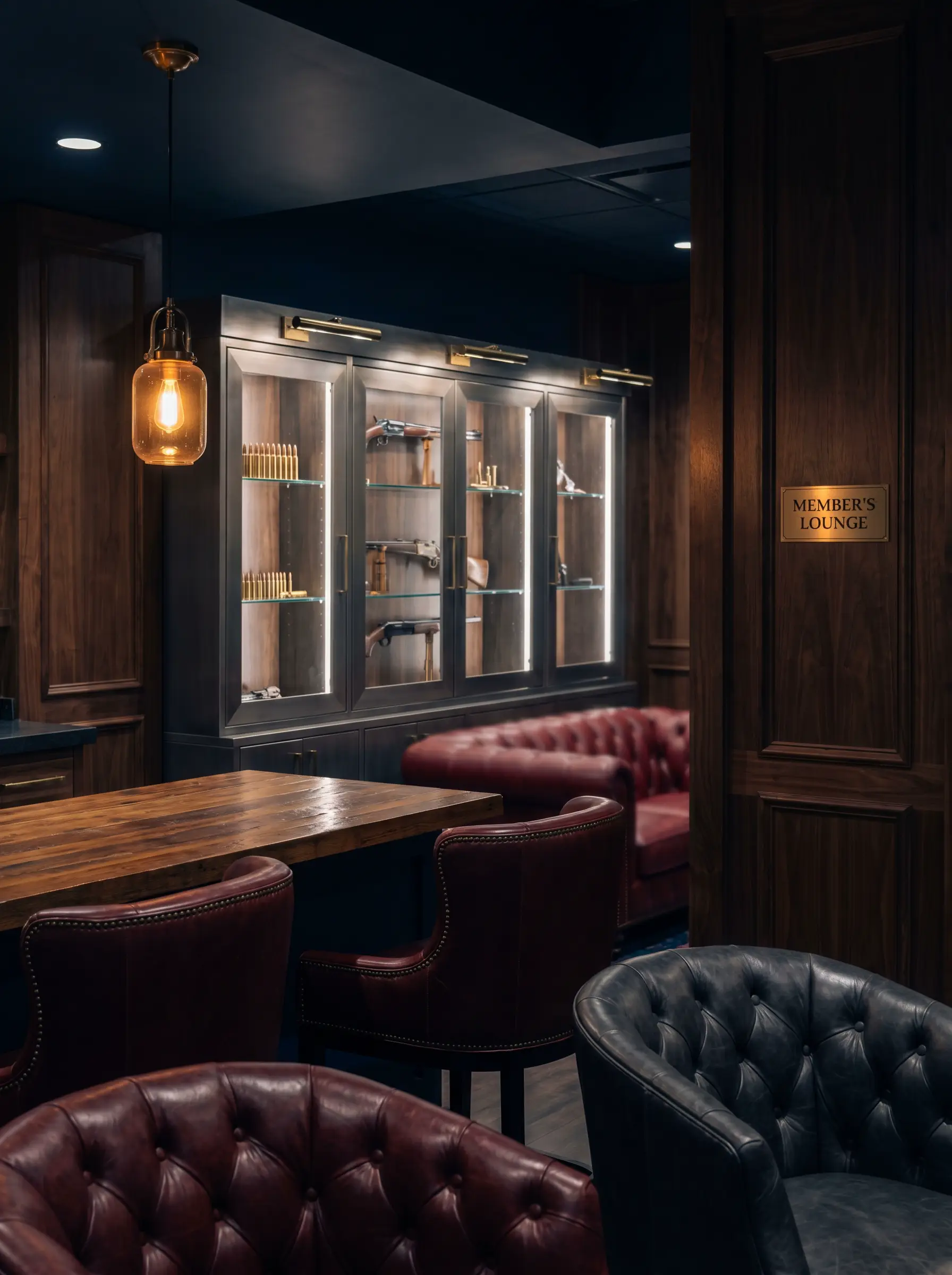
The Range 702.
- The range safety officer outranks the director. Always. Shots are proposed to the RSO and dropped if the answer is no. There is no shot worth arguing about.
- Crew follows the same rules as shooters. Eye and ear protection on, muzzle awareness, no crossing the line without a call. A camera operator who has to be reminded is a camera operator who should not be there.
- Plan angles from behind and beside, never downrange. The dramatic frame people imagine is usually the one that cannot be shot. Remote and locked-off cameras solve most of it; ignoring the rule solves none of it.
- Brief everyone, including the talent. Shooters who know exactly what is being captured perform better and stay safer than shooters improvising for a camera.
- Ammunition, noise and time are real constraints. Range time costs money and rounds are consumable. A tight shot list is not bureaucracy here, it is budget.
- Facilities need proof of insurance. Every range and training facility will ask. Carry it.
This is not a category we added to a services list. It is a standing part of the business, and the clients say it better than we can:
"A multimillion-dollar gun range has real firearms and safety challenges. Charles and his team are so professional and comfortable around weapons that we trust them completely. Exceptional. We work with them monthly." — Kris, CEO, The Range 702
"Charles is on time, professional, and super comfortable around firearms. Made everyone feel safe and got the shot." — Shane, World Shooter, Glock
"They've traveled the world with me, from Puerto Rico to multiple world shoots. Always on time, super flexible, accommodating wherever the shoot lands." — JJ Racaza, World Shooter, Beretta
"High-hostile situations where tension and protection were paramount. While we ran VIP details, they captured the team in action." — Byron, CEO, Sabre Team Defense · See the defense work →
Product and hardware photography
Firearms and gear are among the harder things to photograph well. Hard surfaces, deep blacks, machined edges and coatings that go from beautiful to unreadable depending entirely on how the light is shaped.
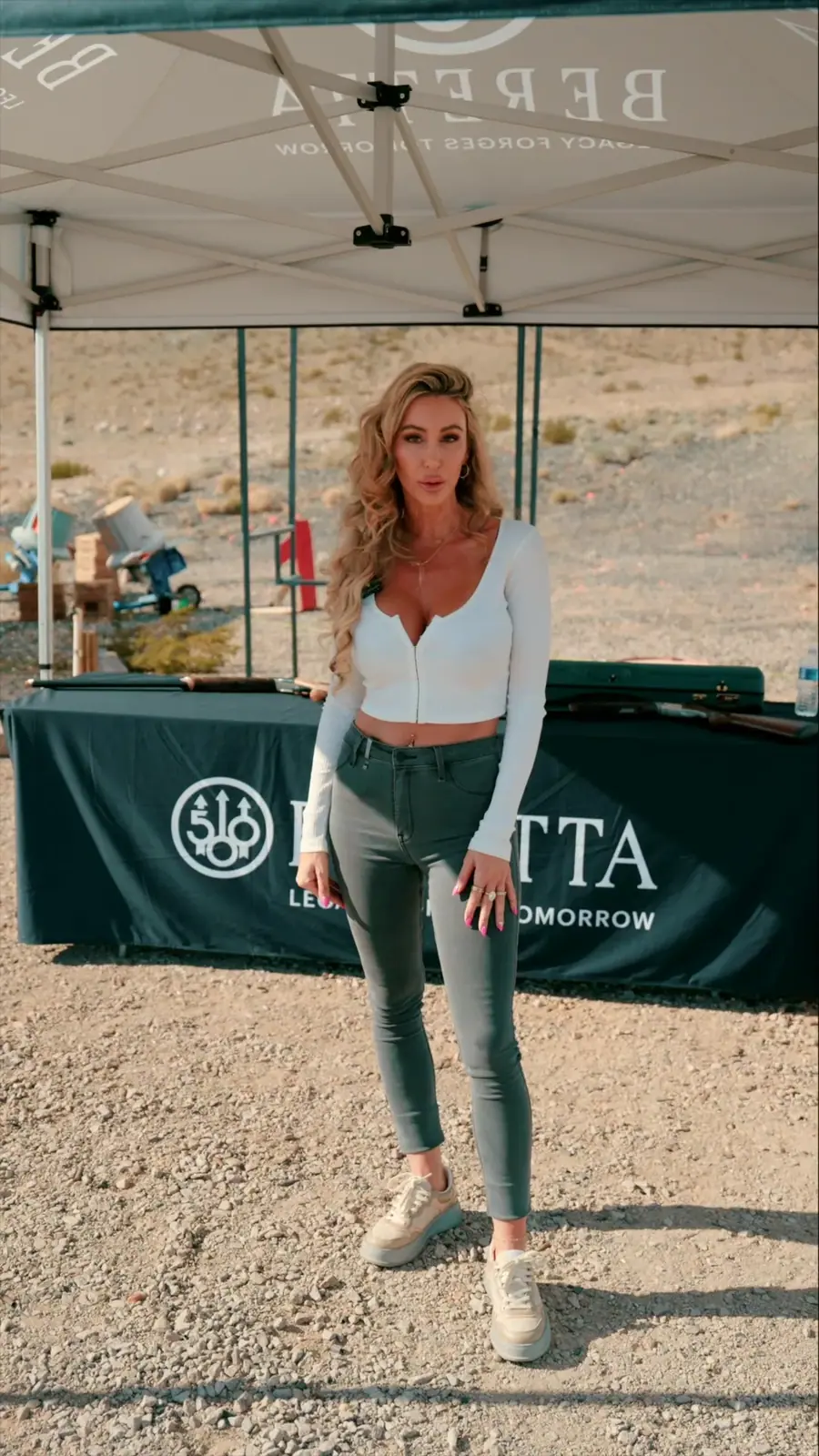
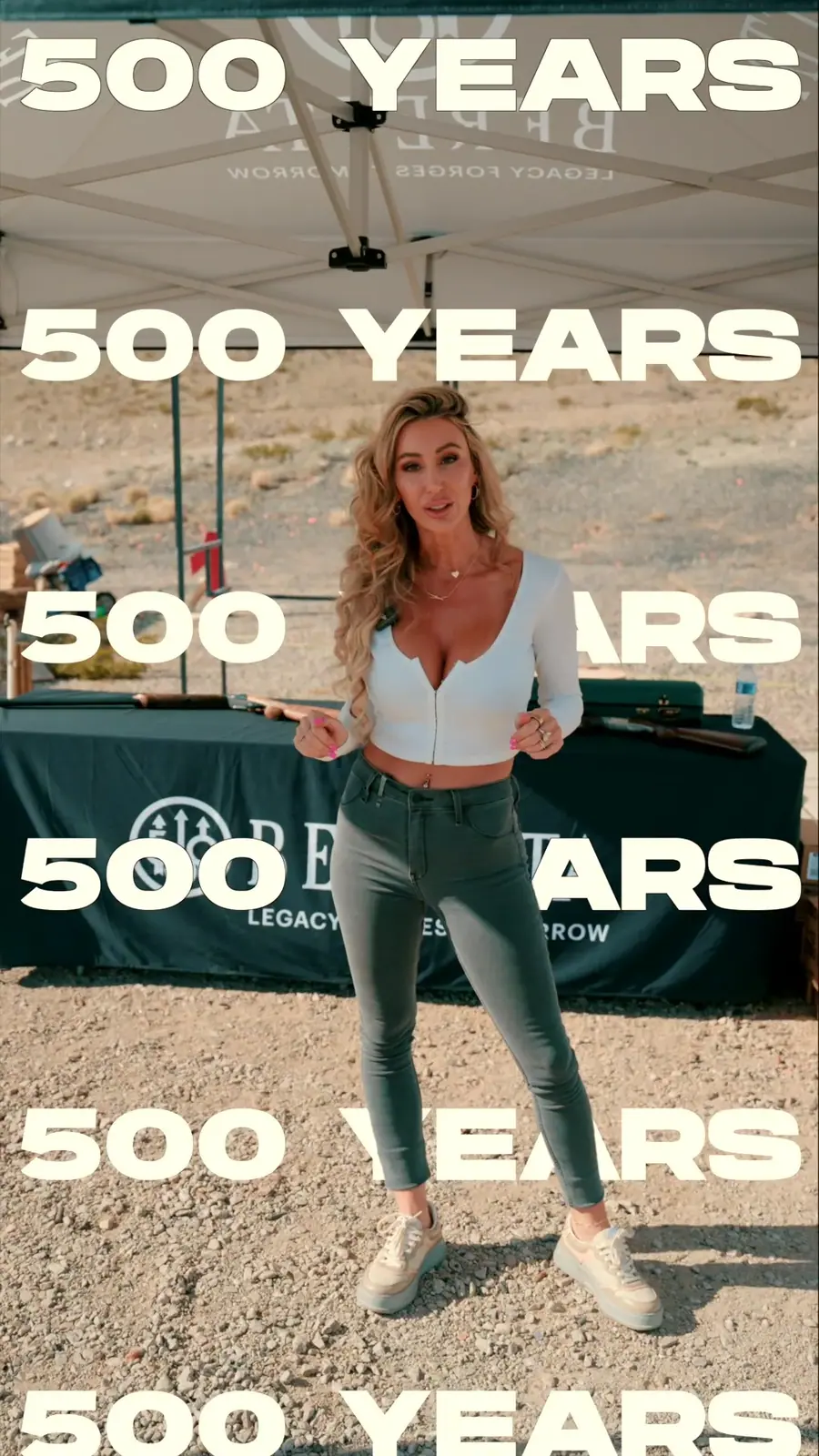
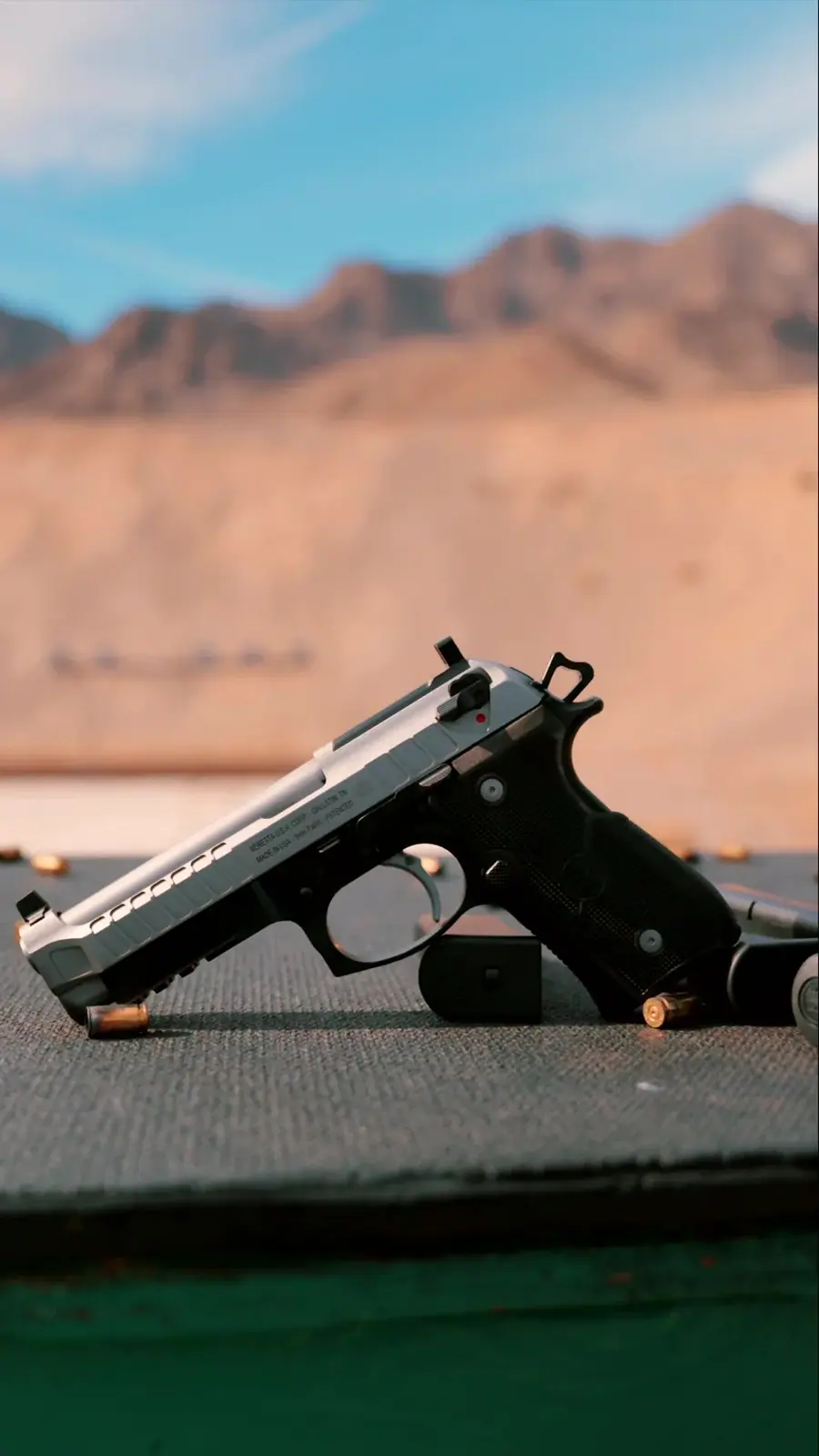
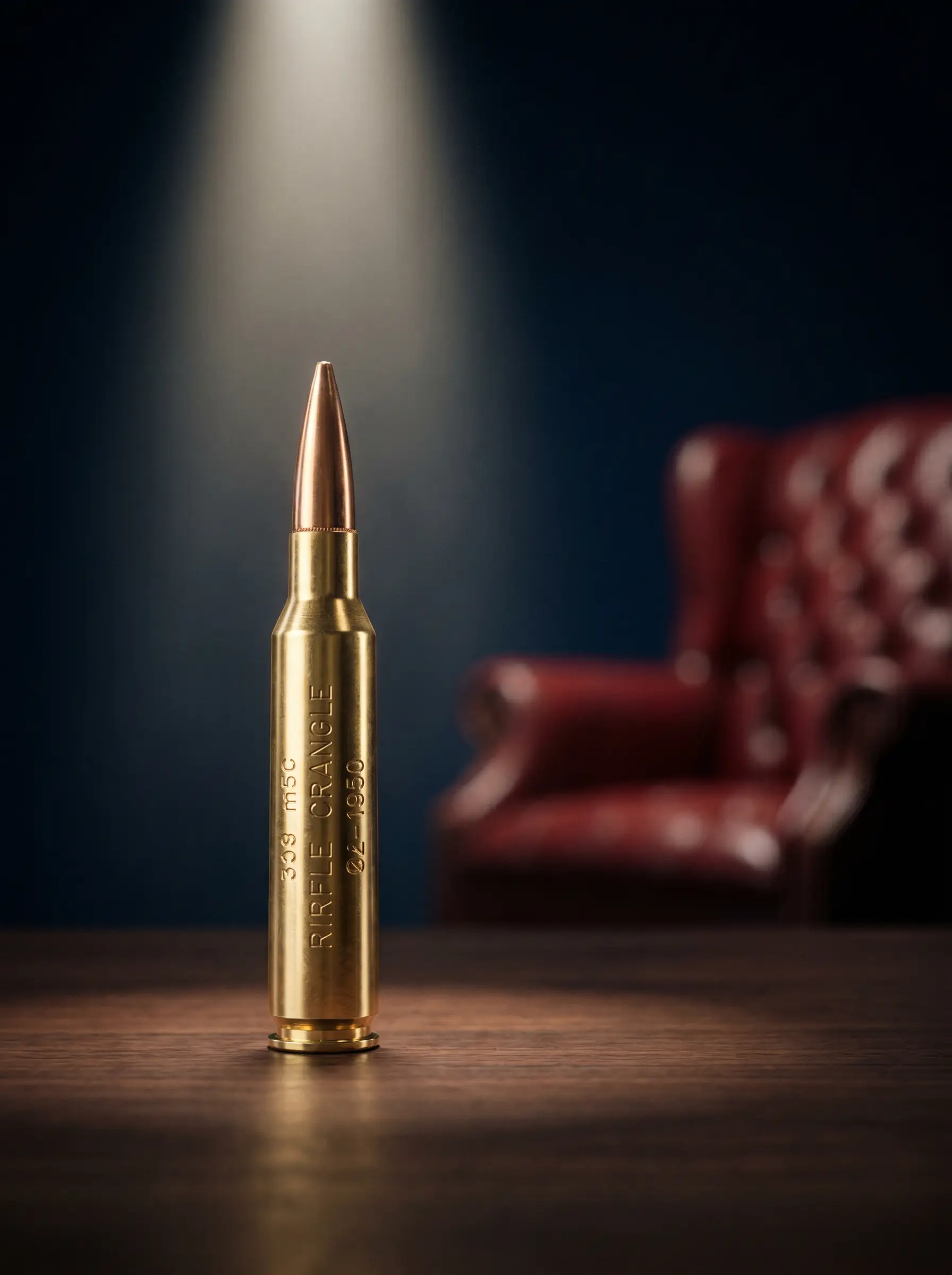
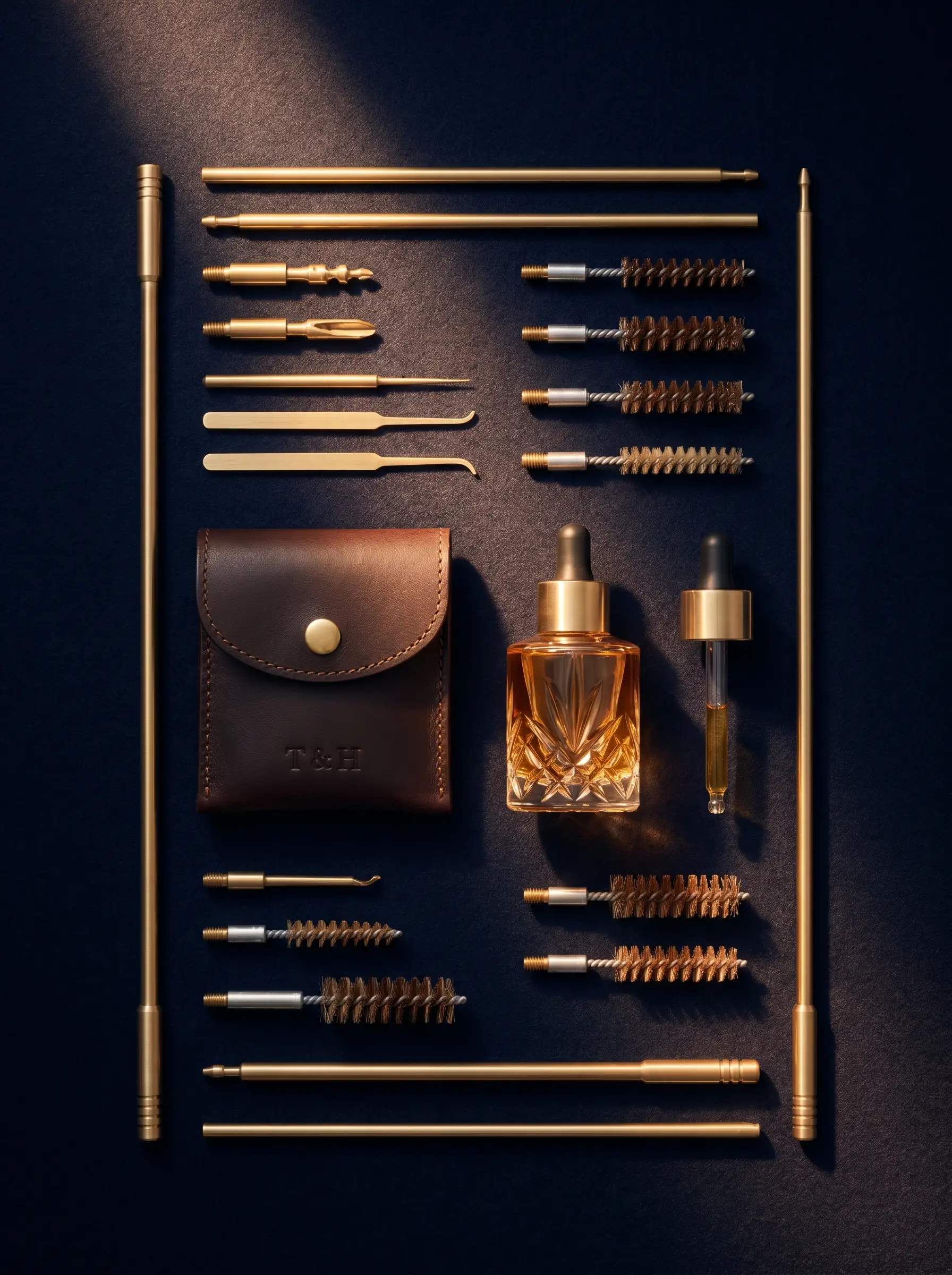
Beretta and The Range 702.
- Black on black is a lighting problem, not a camera problem. Separating a dark product from a dark background takes shaped light and edge control. It is the single biggest difference between amateur and professional work in this category.
- Clean samples, always. Fingerprints and carbon fouling are invisible in the room and glaring at full resolution. Bring more than one unit.
- Decide the placement before the frame. A marketplace listing, a print ad and a paid social creative want different compositions. Shooting one and cropping the others wastes the session.
- Process sells as well as product. Hands, machining, assembly and craft footage consistently outperforms static hero shots for heritage and premium brands.
- Capture motion in the same setup. A rack, a rotation, a slow reveal. The set is already lit; the marginal cost is near zero and the vertical cut is what runs on social.
Security, protective and deployment work
A separate discipline again. Here the crew is documenting an operation that is happening for real, and the requirement is to capture it without ever becoming part of the problem.
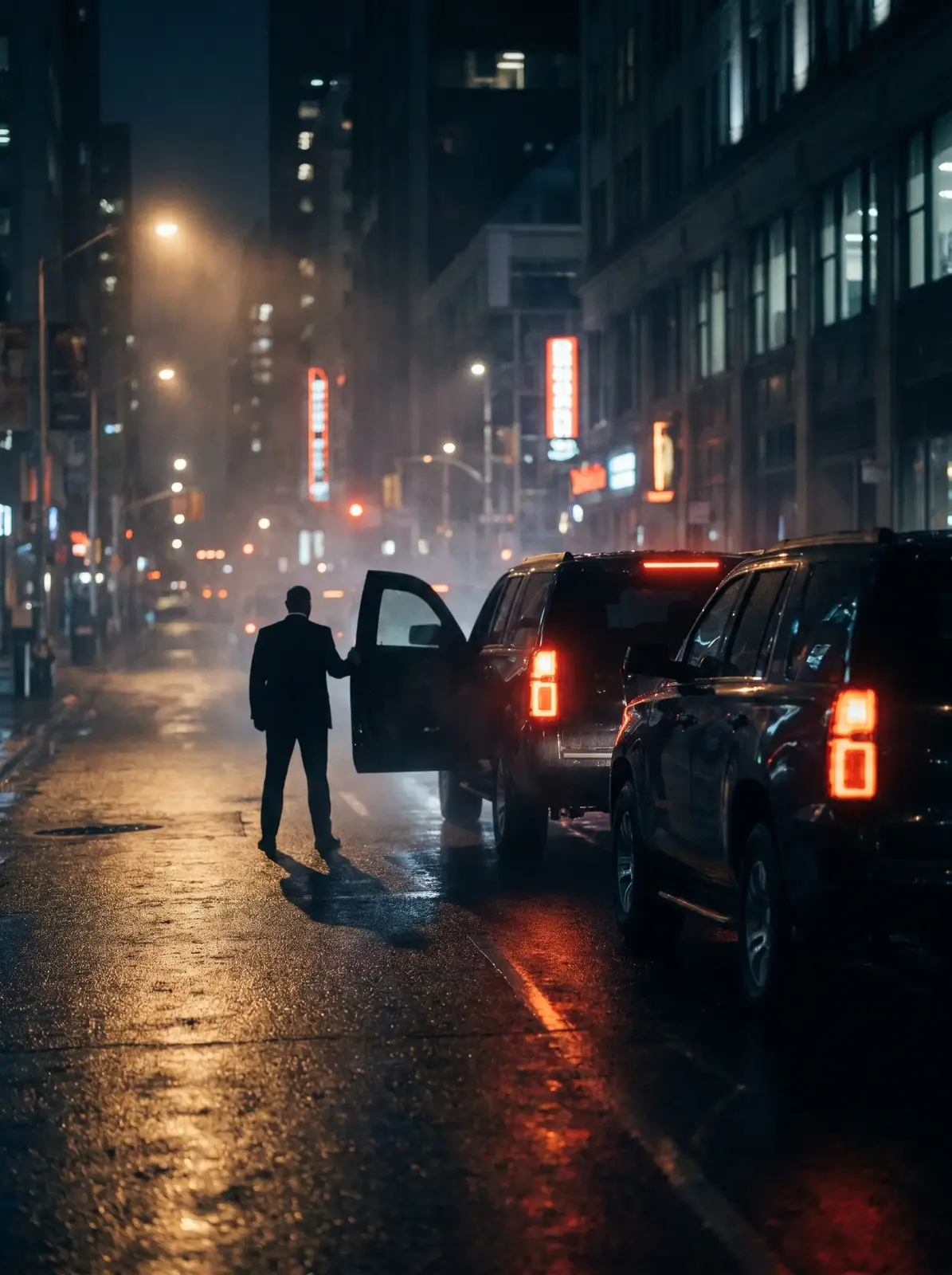
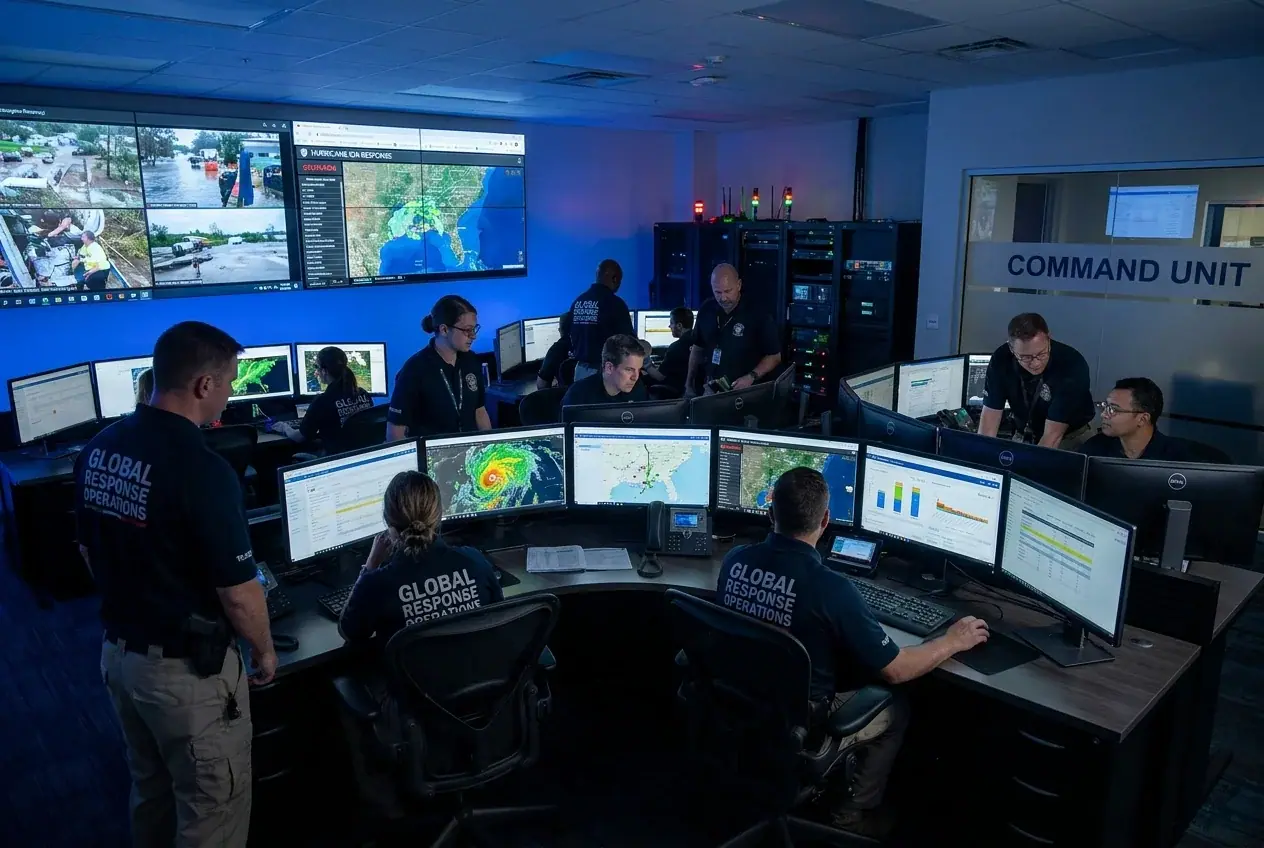
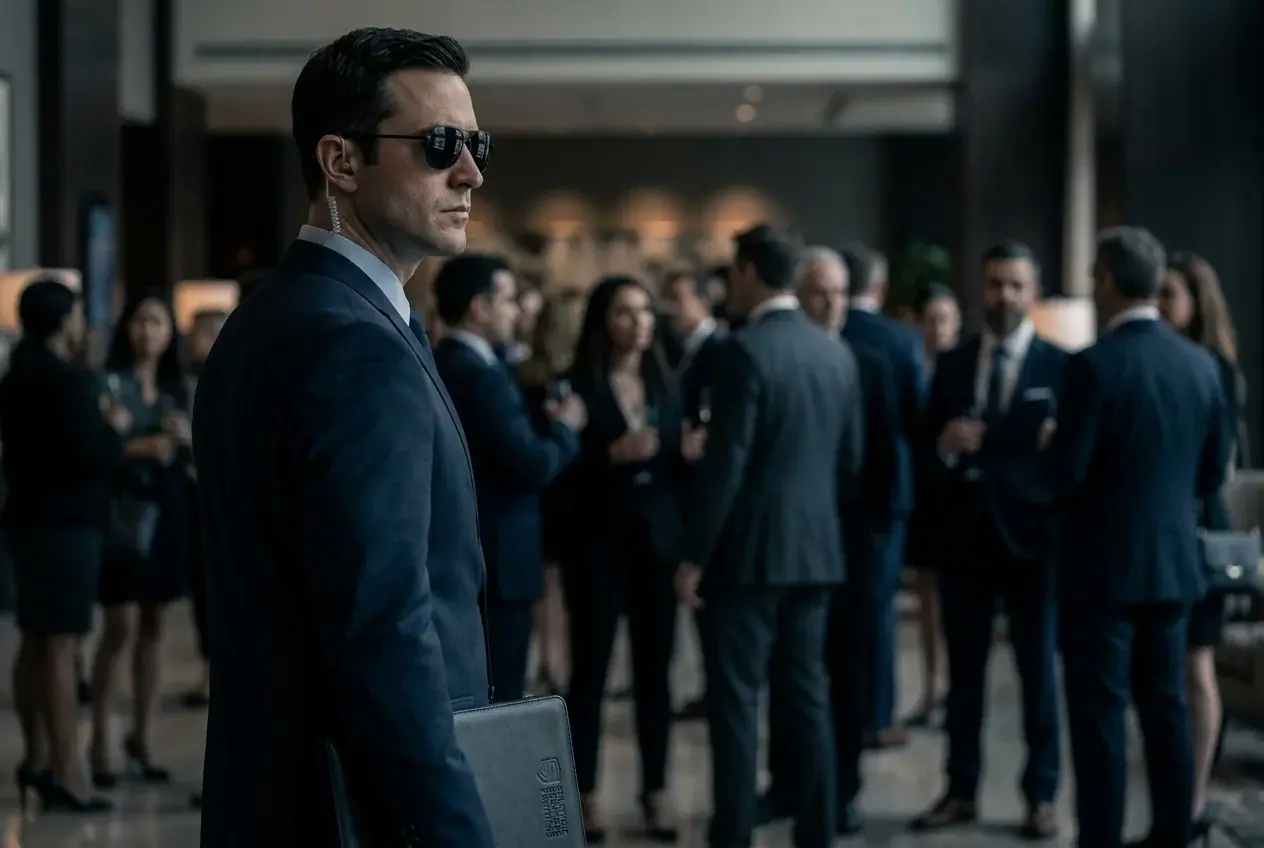
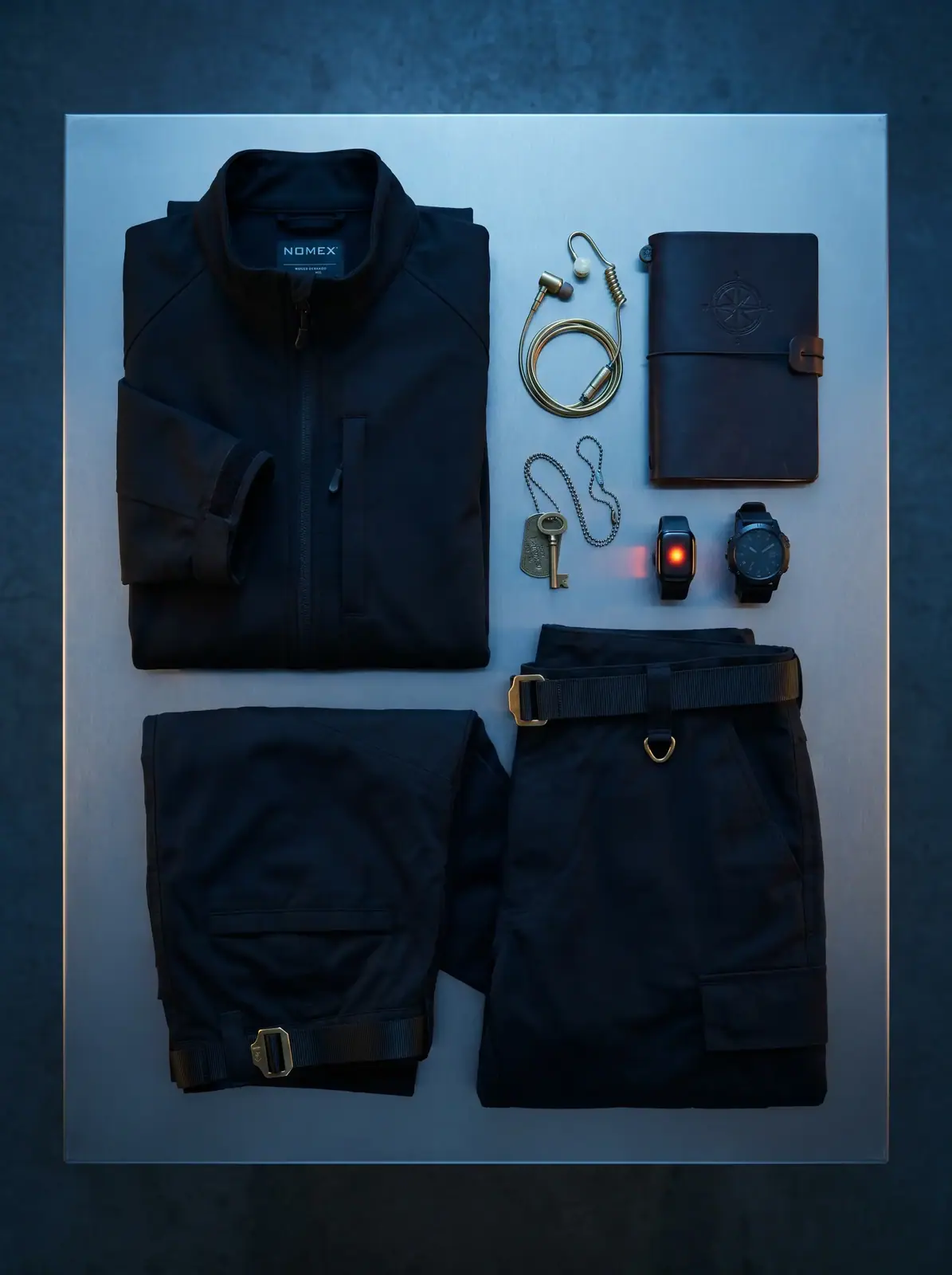
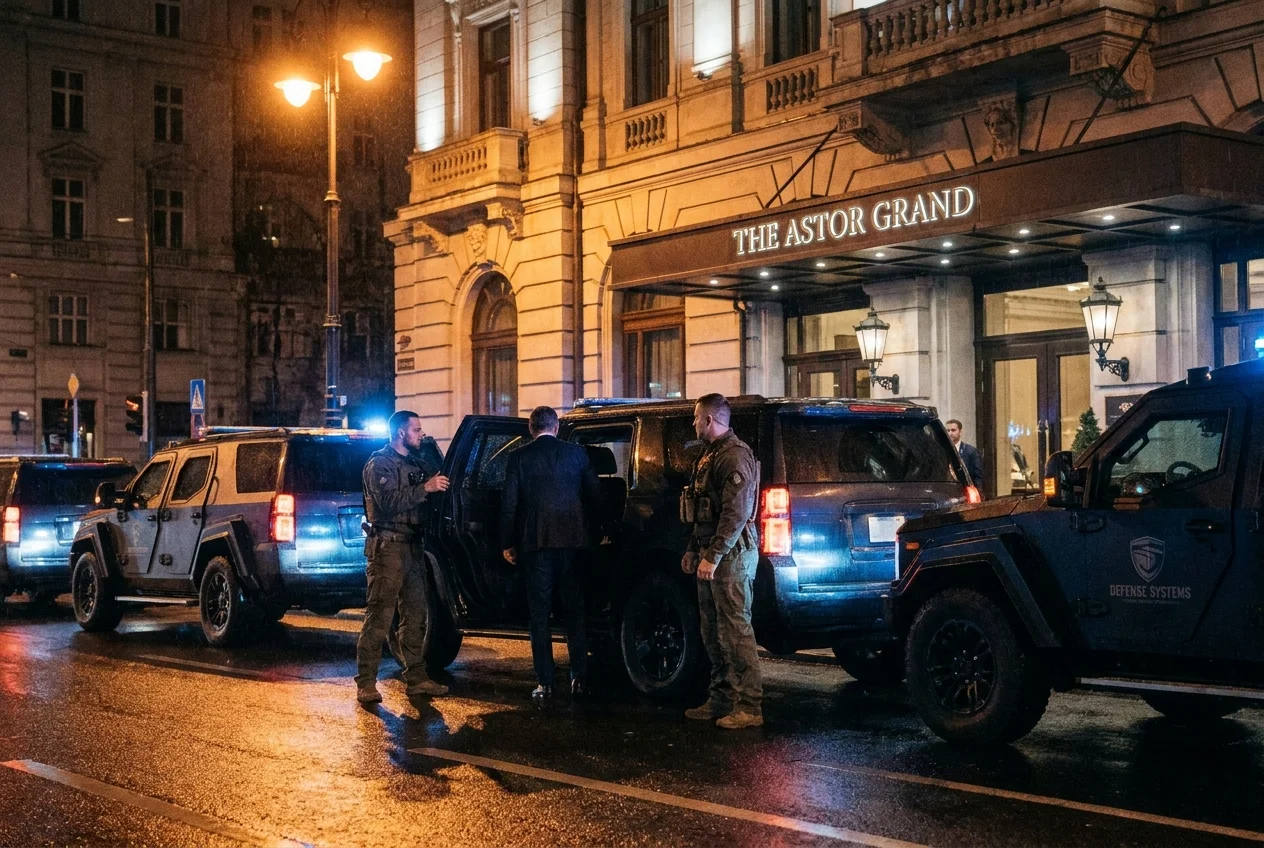
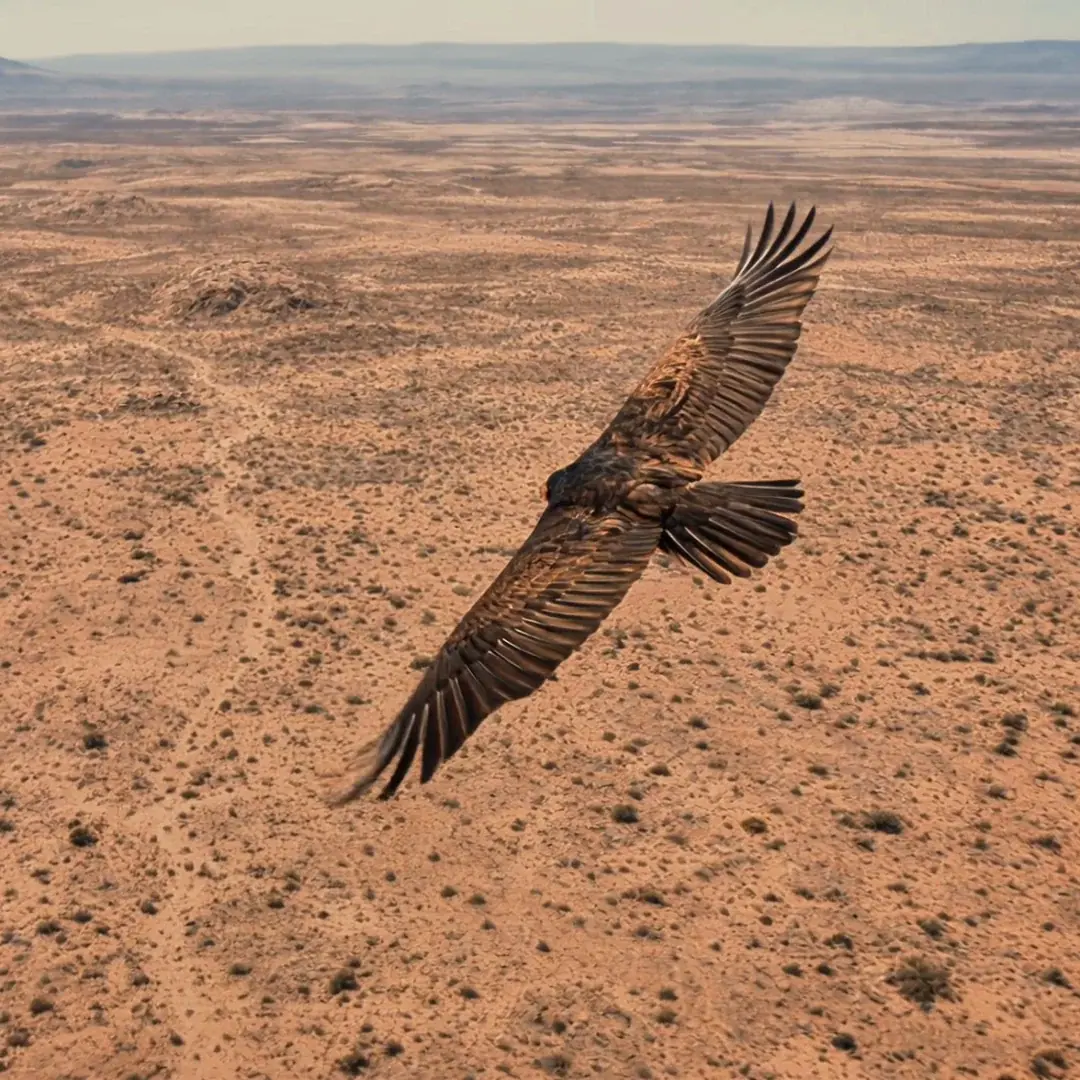
Strategic Response Partners and 2A Daddy Suppressors.
- The operation is not paused for the camera. You embed, you keep up, and you work around the team rather than directing them. Anyone who needs to stage it is in the wrong category.
- Know what cannot be shown. Faces, plates, tactics, locations and client identities are frequently off limits. Establish the list before the deployment, not in the edit.
- Conditions are genuinely hard. Hurricane and fire deployments mean weather sealing, spare power, and a crew that can be uncomfortable for a long time without becoming a burden.
- NDAs are standard. Expect them, sign them same day, and work as though everything is sensitive by default.
- Recruiting is often the real goal. For security firms, the most valuable output is usually content that attracts the right operators, not content that impresses the public.
The advertising problem, and how to shoot around it
This is the part that catches brands out, and it belongs on the shot list rather than in the edit:
- Paid promotion is restricted on most major platforms. Rules differ by platform and product category, and enforcement is inconsistent. Assume friction and plan for it.
- Shoot two versions from the start. A brand-forward cut that carries the message without the elements likely to trigger review, plus the full version for owned channels, industry media and trade.
- Lifestyle and training content travels further. Instruction, safety education, community and range experience reach audiences that pure product creative cannot.
- Owned channels carry more weight here than in other categories. Email, your own site, YouTube and industry publications are not subject to the same restrictions, which changes where the budget should go.
- Trade shows are a content multiplier. Industry events put your athletes, partners and distributors in one place for three days. That is a content day with unusually high return.
Platform advertising policies change frequently and vary by jurisdiction. Confirm current rules with each platform, and with your own counsel, before committing spend.
Range day, product launch, or deployment?
30-minute call. NDAs signed same day. We will scope it and quote within 48 hours.
Book a CallRelated guides
- Las Vegas drone laws: where you can fly
- Corporate headshots for your team
- Dallas product photography & video
- Dallas drone videographer: what is actually legal
- Denton video production & live music filming
- Richardson video production & the Telecom Corridor
- Dallas fashion photographer & lookbook video
- Las Vegas hotel & resort photography
- Fort Worth commercial photographer
- DFW trade show & conference video
- Las Vegas event photographer
- Las Vegas trade show videography
- Las Vegas product video production
- Las Vegas photographer & videographer, one crew
- Dallas commercial photographer & corporate headshots
- The content day: one shoot, a quarter of content
- What a Las Vegas videographer costs
- About Picture Perfect Video
Every photograph on this page is Picture Perfect Video client work, shot by our crew. More of it is in the portfolio.