Fashion show and editorial photo and video in Las Vegas.
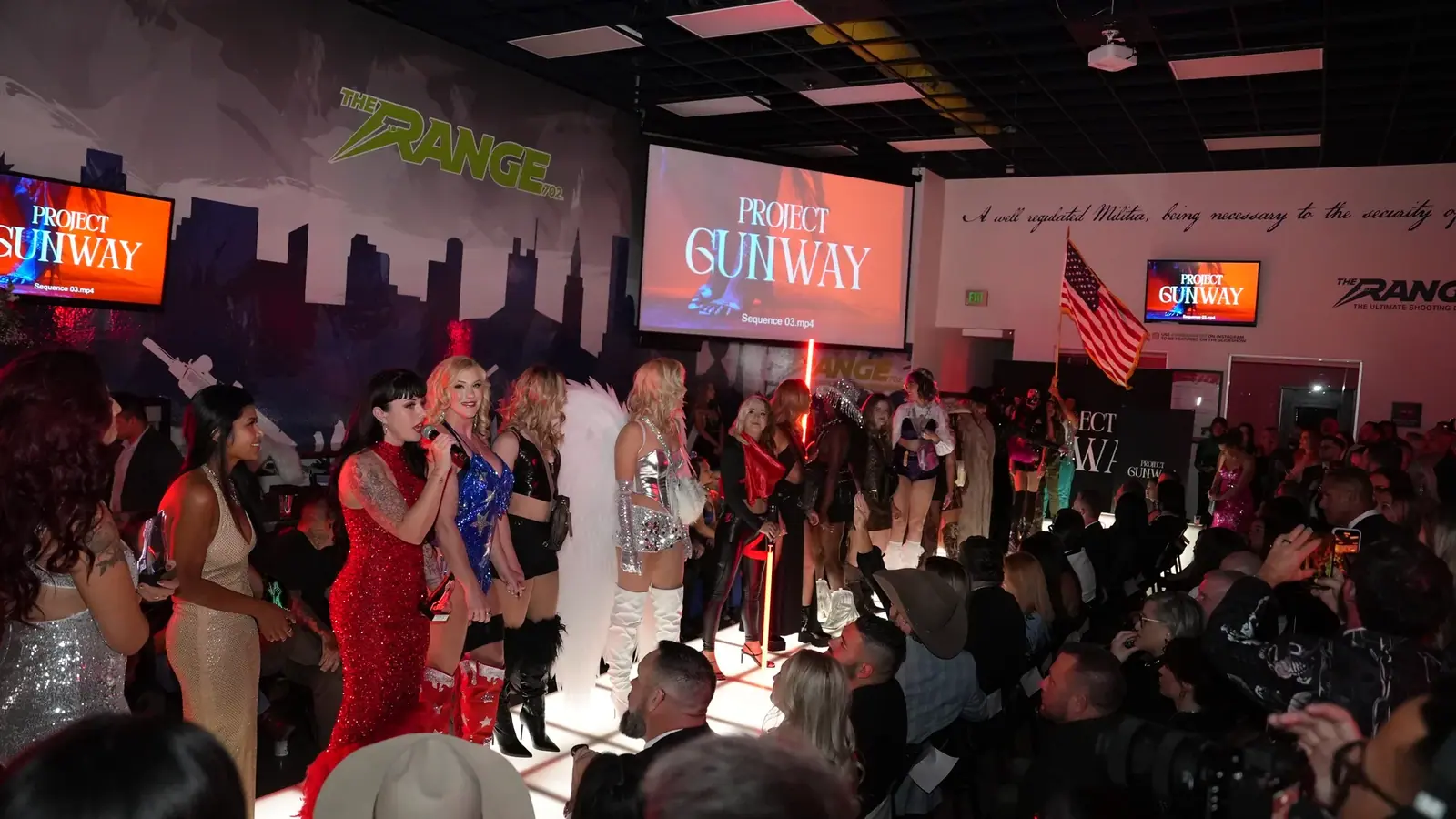
Every photograph on this page is our own Las Vegas client work.
A fashion show is over in twenty minutes and lives for a year in the coverage. The designer's next season is sold on it, the sponsor's report is built from it, the producer's next round of ticket sales runs on it, and the models' books are made from it. That is a lot of weight on a small crew working a dark room with lighting designed for the audience, not the camera. This is how we cover fashion in Las Vegas, from runway and red carpet through to the editorial campaigns that most of our fashion work actually is, and what a brand or producer should settle before the doors open.
Las Vegas is a fashion market with a twist
Two very different fashion calendars run through this city, and they want different coverage:
- The trade markets. MAGIC, Project and the other Las Vegas Convention Center fashion markets bring thousands of brands and buyers to town twice a year. Exhibitors need booth video, product-on-model clips, buyer interviews and same-day social, and the rules are the convention rules: credentials, exhibitor manuals, aisle restrictions. The convention videographer guide covers that side in detail.
- The produced shows. Runway events, designer showcases, brand launches and themed productions in venues that were never built as runways: nightclubs, hotel ballrooms, rooftops and, in our case, a shooting range. These are the shows where lighting, sightlines and rights are decided by the producer, and where the coverage plan has to be built from scratch.
- And underneath both, the editorial work. Seasonal campaigns, model series, lookbooks and brand content that never touch a runway. This is the majority of fashion production in Las Vegas and the majority of ours.
We are the photo and video crew for Project Gunway, the Las Vegas fashion show staged inside The Range 702: runway walks, front row, red carpet arrivals, the awards gowns and the after-party, delivered as stills and video from the same night. Between shows we shoot The Range 702's editorial calendar, a studio model series, holiday and seasonal campaigns, and talent editorials for Beretta's range days. Every image on this page came off one of those shoots. See the fashion work →
What a show needs captured, in priority order
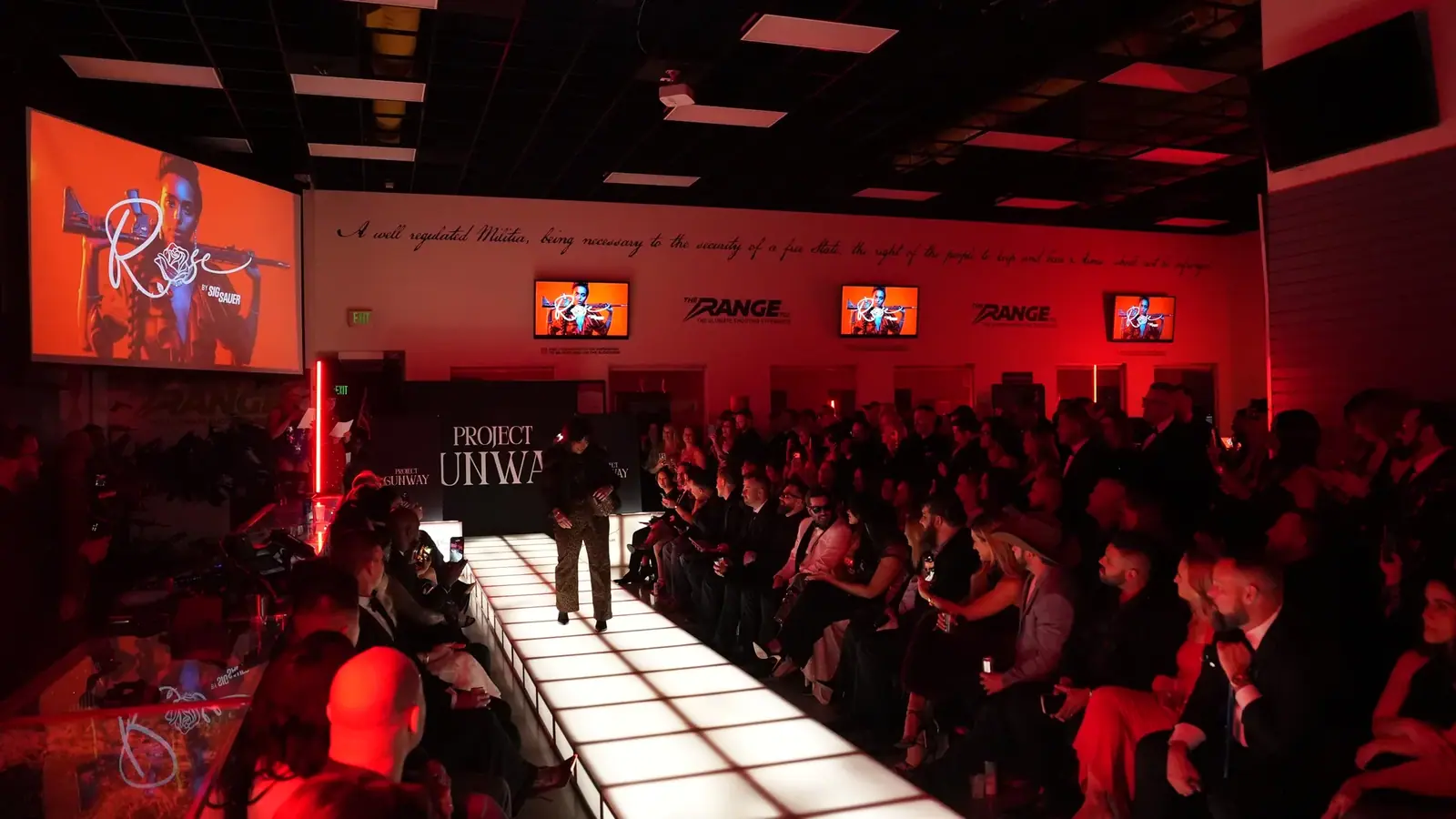
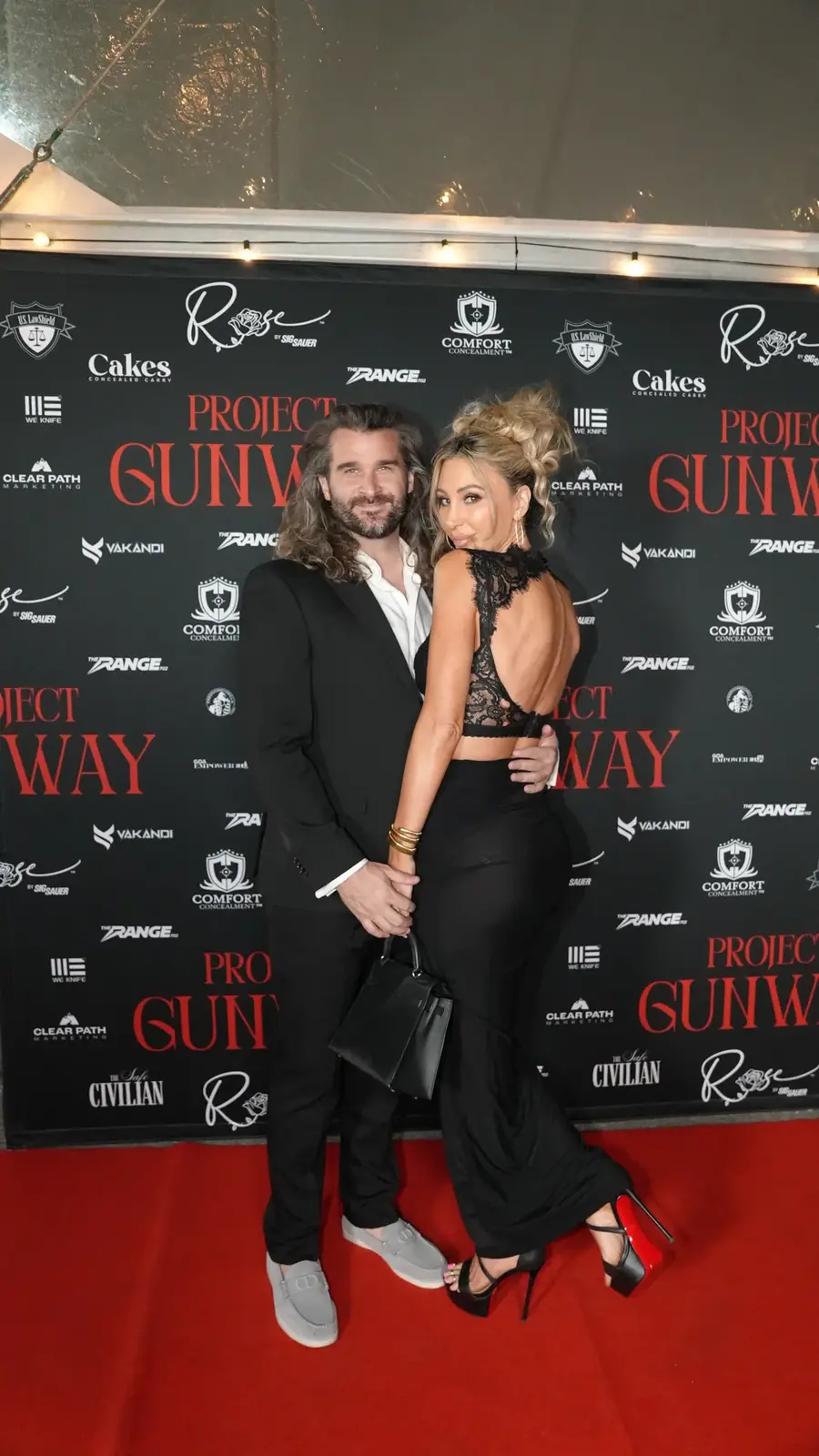
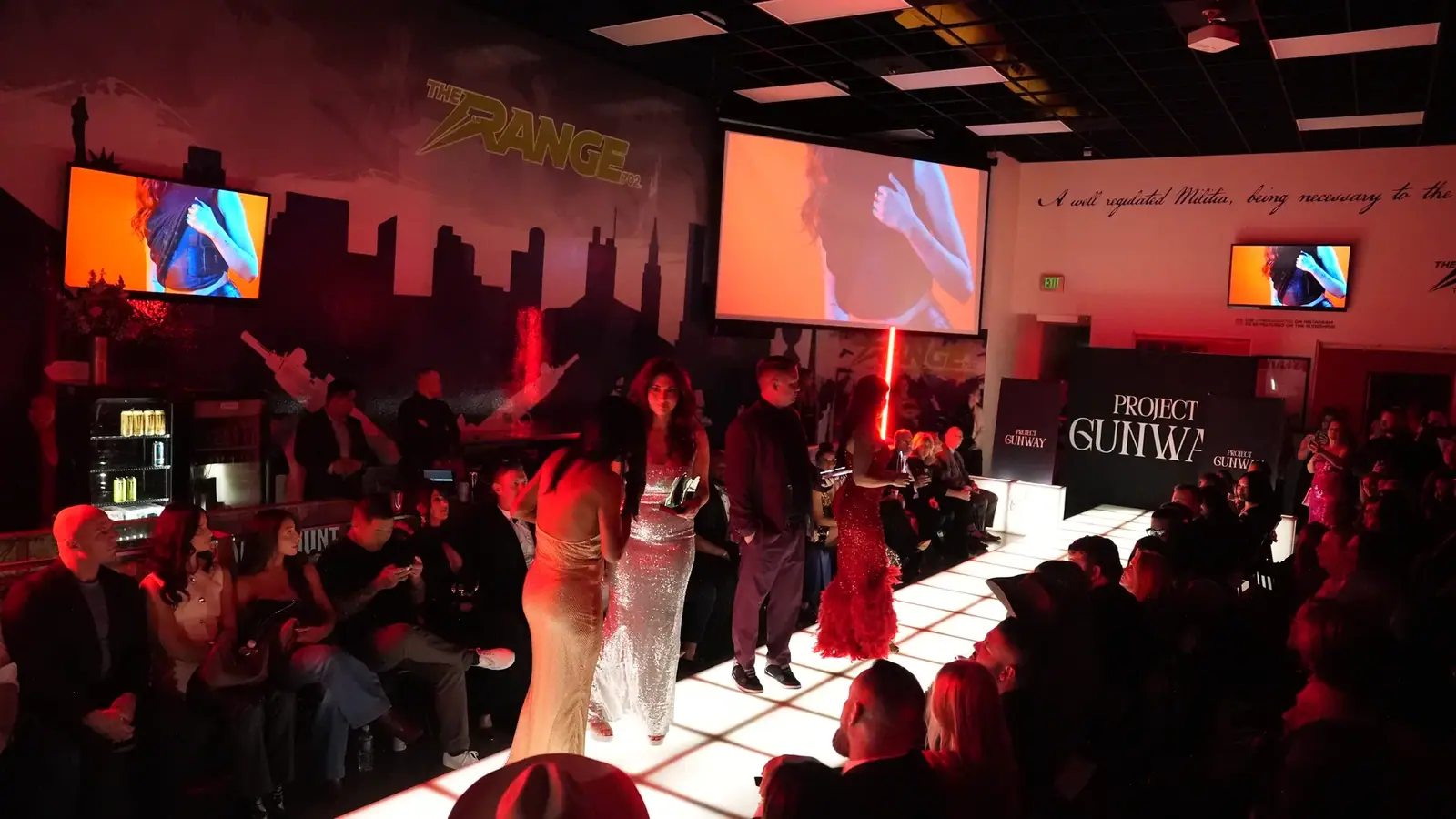
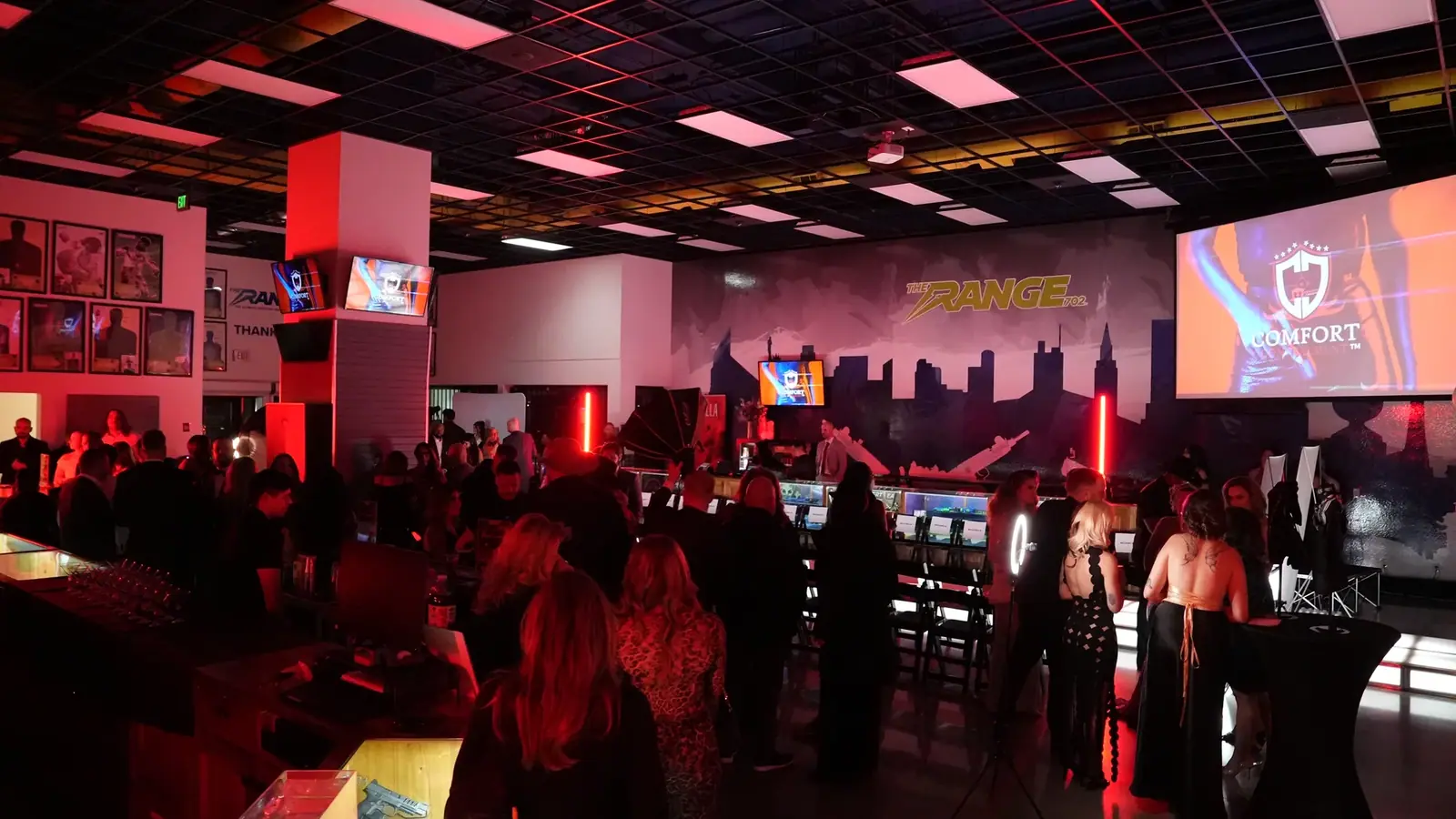
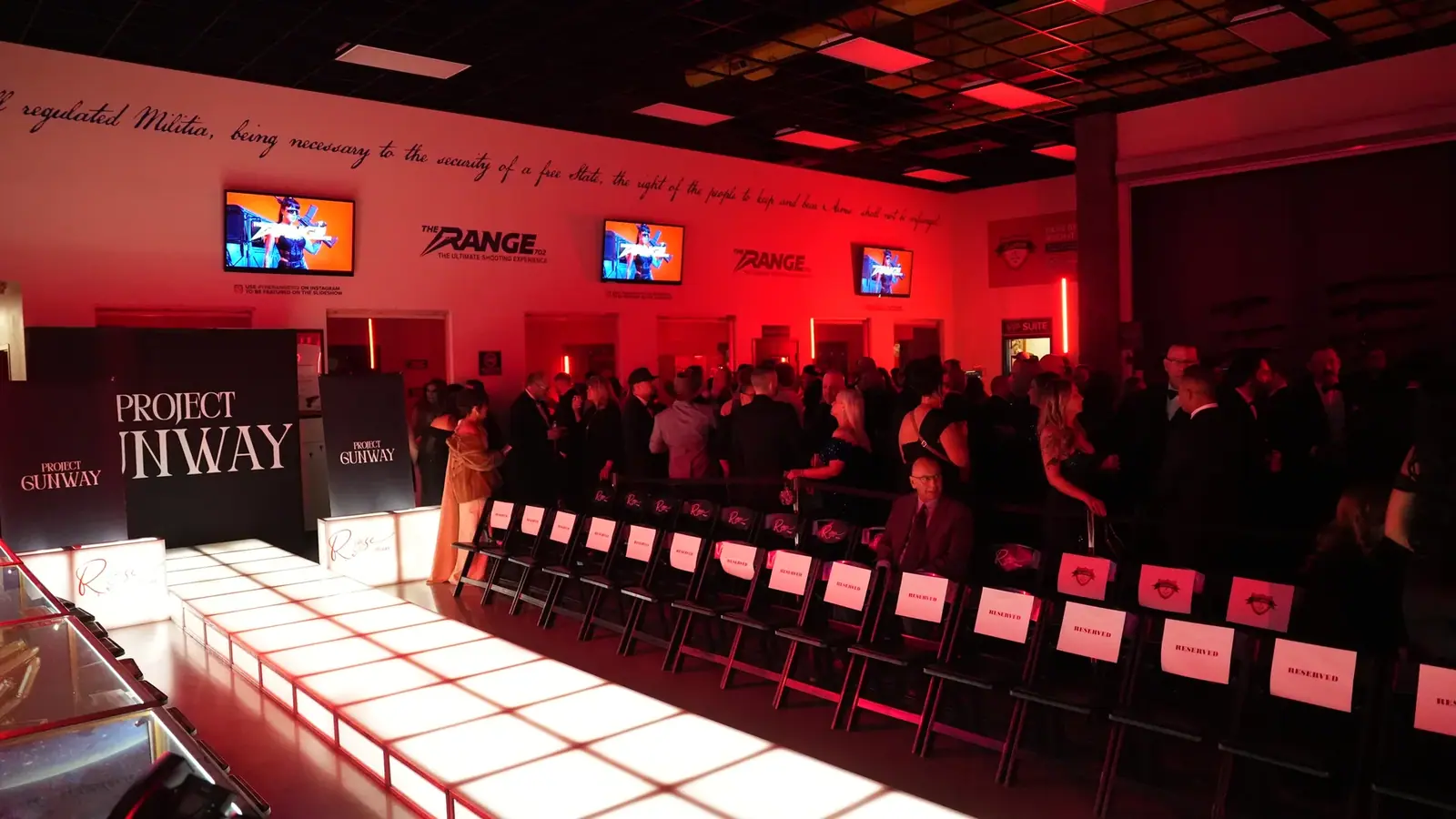
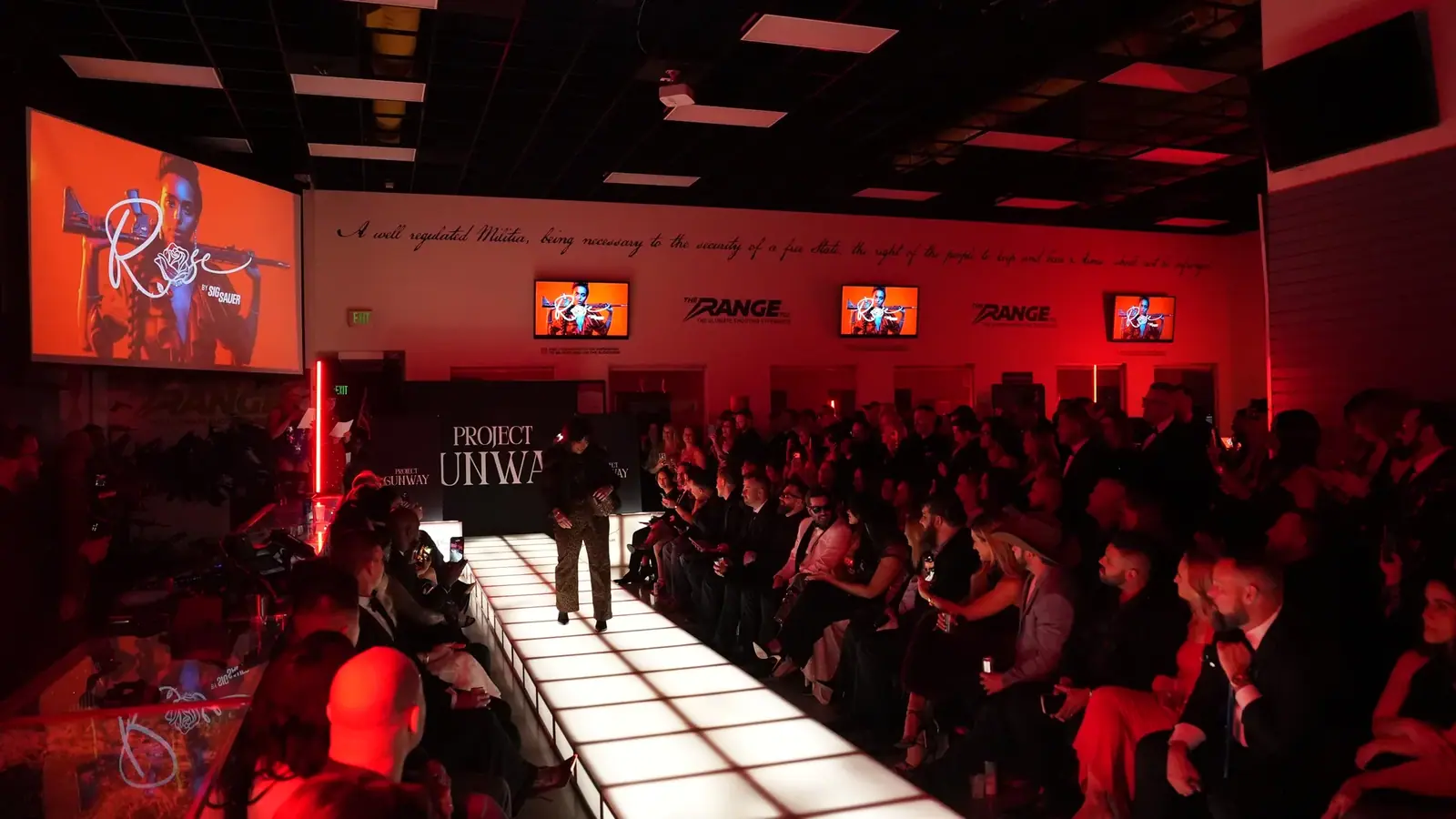
Project Gunway at The Range 702: runway, arrivals, front row, the room before doors and the after-party.
- Every look, head-on, full length, from the pit. The fixed camera at the end of the runway is the shot the designer will judge everything by. It does not move, it does not get creative, and it is the first thing we lock. Stills and video both come from this position.
- The turn and the detail. A second angle for the turn at the end of the runway and the close-ups of fabric, shoes and accessories. This is where a garment is actually sold.
- The room before doors. Runway, seating, sponsor signage and set dressing, clean and empty. Sponsors need it, next year's deck needs it, and it is impossible once the audience arrives.
- Arrivals and the step-and-repeat. Guests, talent and sponsors against the backdrop, lit properly rather than by whatever is on the wall. This is the most-shared content of the night and usually the worst lit.
- Front row and the crowd reacting. Proof of who was there and that the room was full. Rooms empty fast after the finale, so this has a window.
- Backstage and hair and makeup. With the producer's permission and a light touch. It is the behind-the-scenes material social feeds want most, and it needs somebody dedicated to it.
- The finale and the designer's walk. Thirty seconds that cannot be repeated. Everyone should know it is coming and be in position for it.
- Vertical from the start. Social is vertical. A second body framing vertical on the runway saves cropping the garment out of a horizontal frame later.
Why runway coverage goes wrong
- The lighting is built for the audience. LED walls, moving heads and floor-lit runways change colour and intensity every few seconds. Auto exposure and auto white balance will chase it and the garment will never look the same twice. Exposure and white balance get locked at rehearsal and stay locked.
- LED flicker. LED walls and some fixtures refresh at rates that put rolling bands through video unless the shutter is matched to them. This is checked at rehearsal, not discovered in the edit.
- The pit is not reserved. If the end-of-runway position is not blocked out and held, it will be full of phones by the time the first model walks. The producer assigns it and the venue protects it.
- No rehearsal, no plan. Ten minutes walking the runway with the lighting cue up is the difference between coverage and guesswork. Ask for it and build it into the call time.
- Nobody said which looks mattered. Every designer has a hero look and an opening and closing walk. A run of show with names and look numbers lets the crew deliver per-designer galleries the next morning instead of a week later.
- The audio was an afterthought. A runway edit lives or dies on the music, and the music on the room mics is unusable. A feed from the desk, or the track itself with timing notes, is a two-minute conversation with the DJ that saves the film.
Rights, releases and who gets what
- Settle usage before the show. The producer, each designer, the venue, the sponsors and the models all have an interest in the coverage. The workable arrangement is that the producer holds the licence and grants designers and sponsors rights to their own looks and placements. We put that in writing with the delivery.
- Model releases are the producer's job. Collect them at fitting or check-in. A gallery that cannot be used because one model never signed is a gallery nobody can use.
- Per-designer delivery. Galleries and clips split by designer and look, so each brand receives exactly its work and nothing it cannot use. This is a run-of-show problem solved in advance, not an edit problem solved afterwards.
- Sponsors want proof of placement. Signage in frame, product in use, the logo on the step-and-repeat. A short sponsor gallery delivered with the main set is what earns next year's sponsorship.
- Venue rules apply even at private events. Casino and resort venues in Las Vegas will want written approval and a certificate of insurance, and the casino floor is off limits for any coverage on the way in or out.
Editorial and campaign work, which is most of it
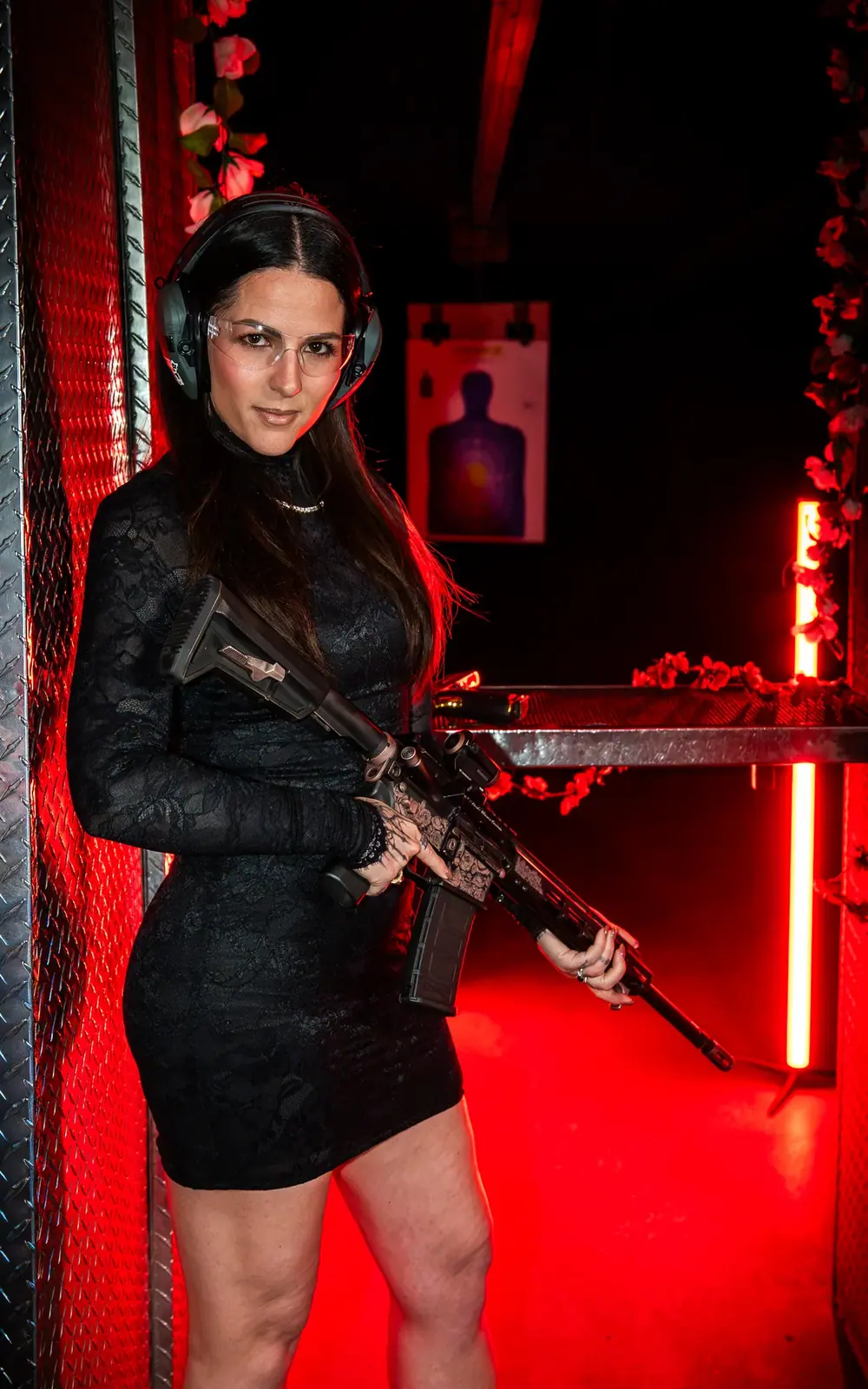
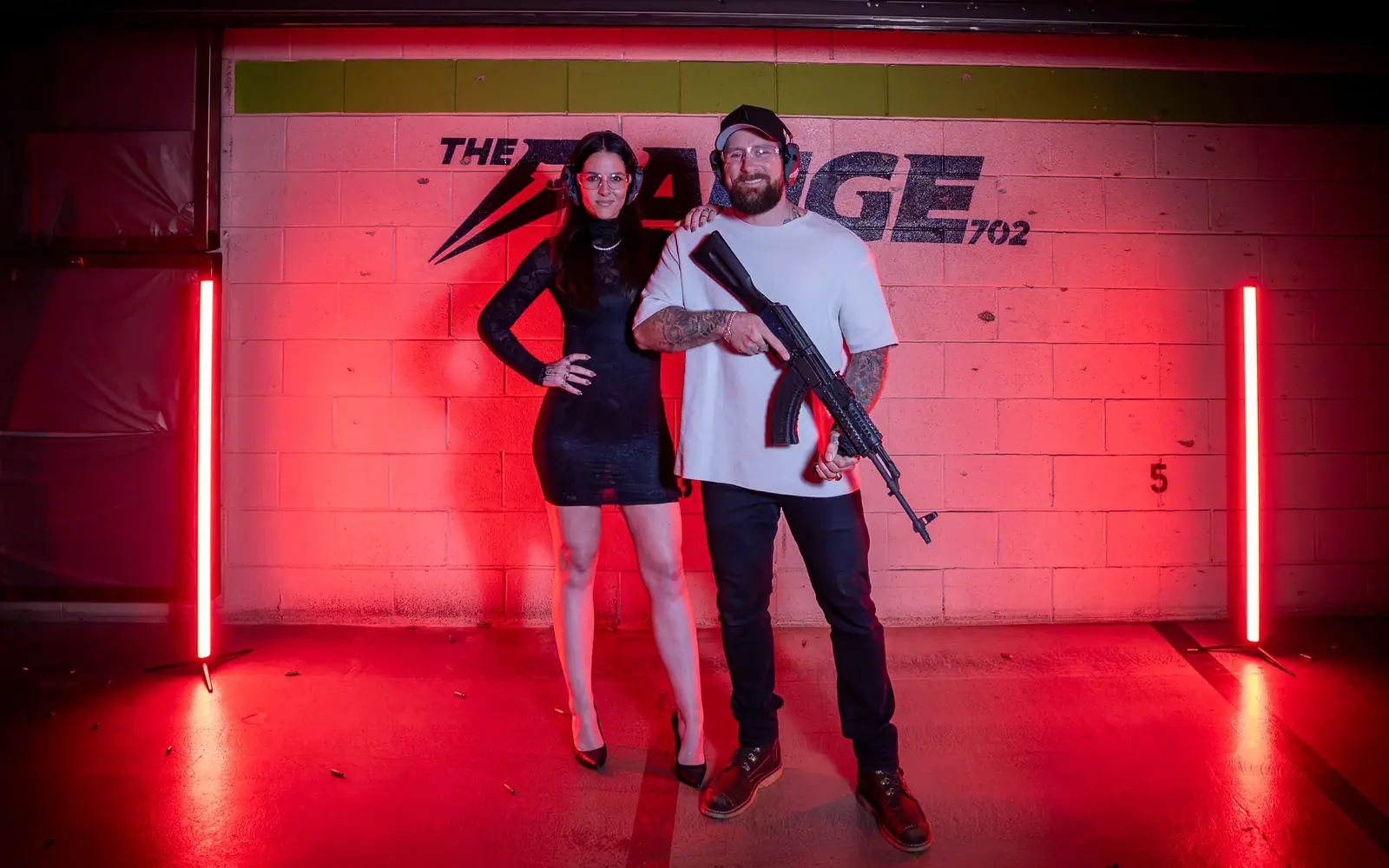
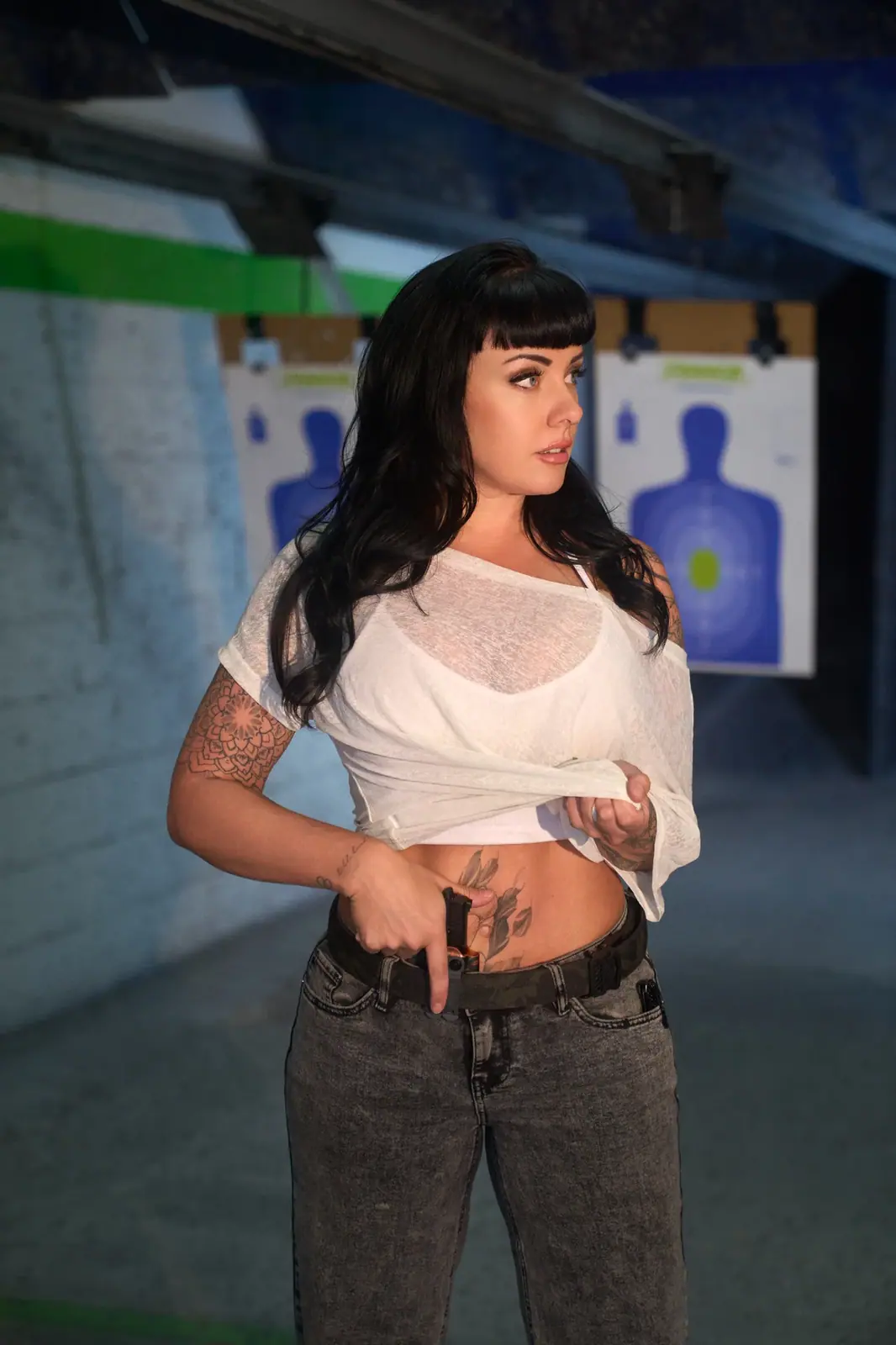
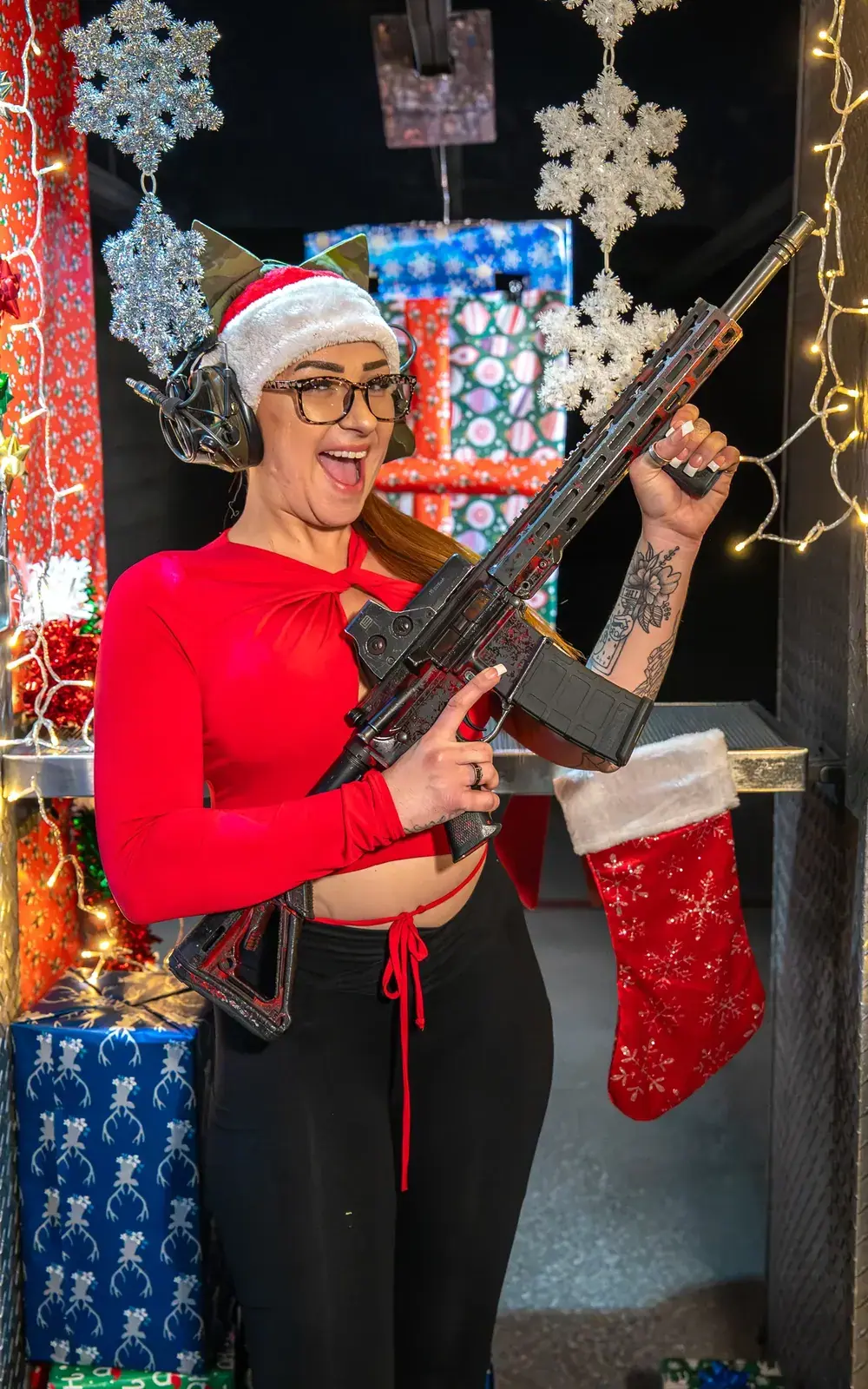
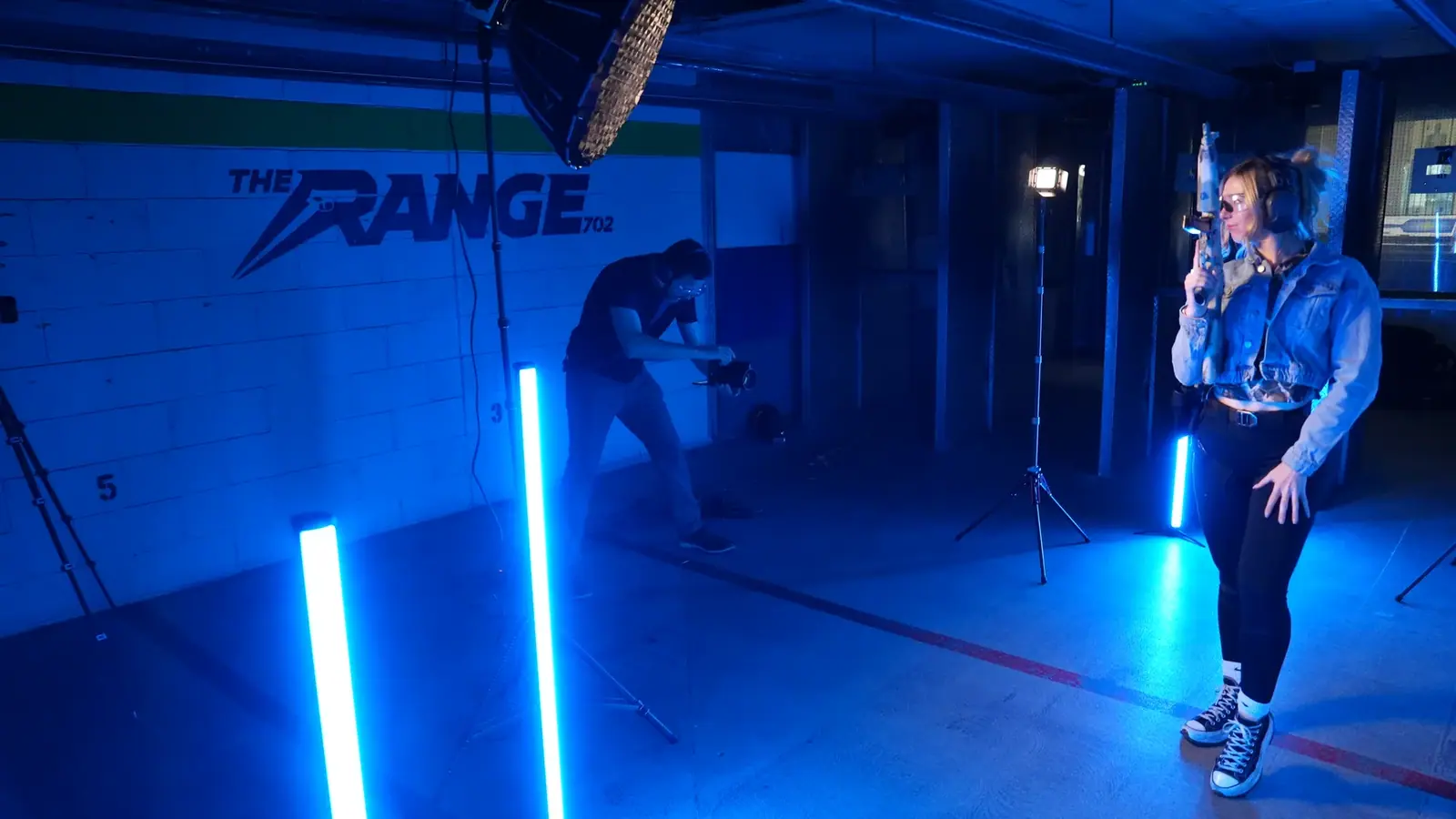
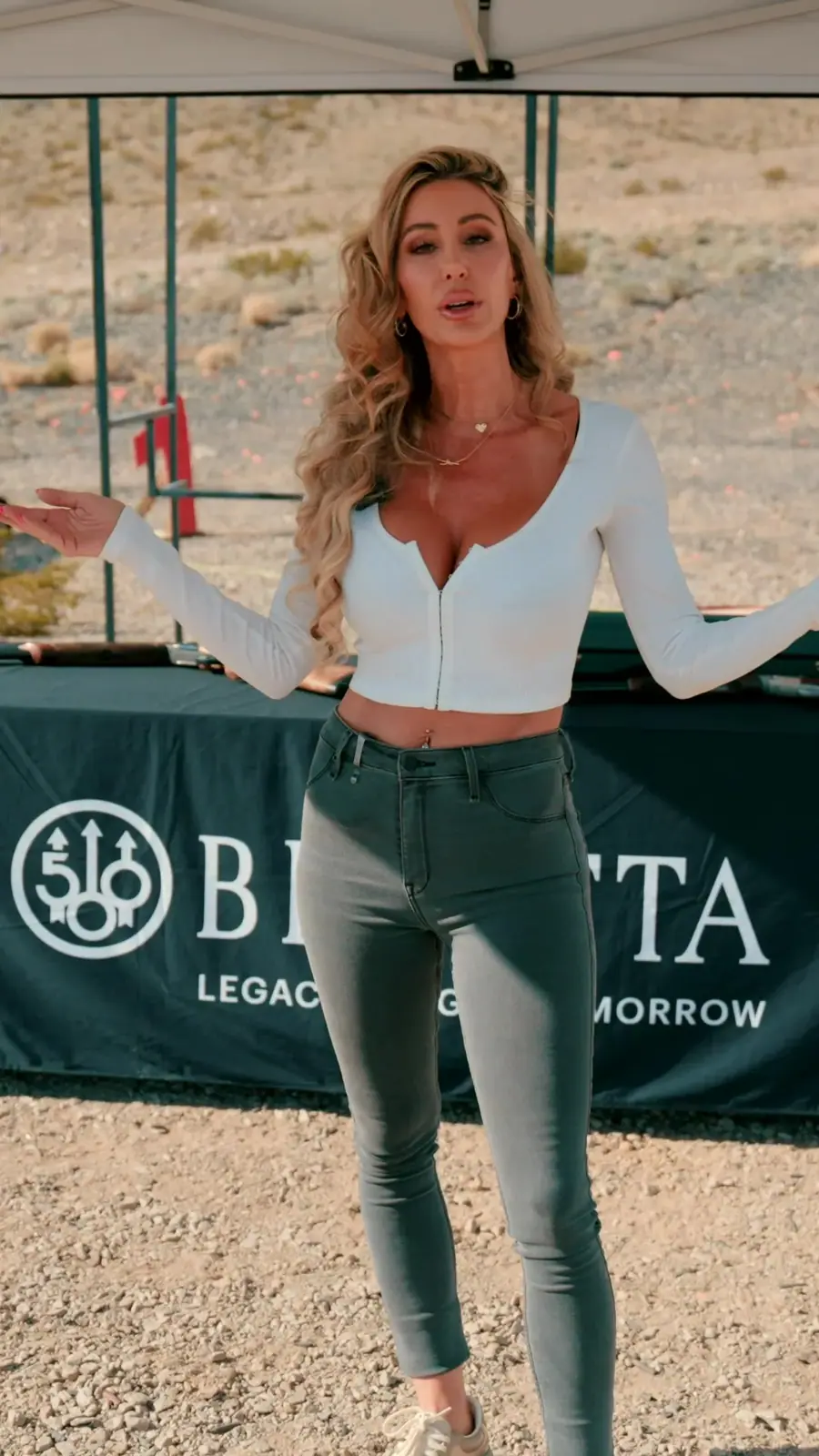
Editorial series for The Range 702 and Beretta: studio, neon, seasonal and location.
- Stills and motion from the same setup. A campaign shot as photography and video in one session looks like one campaign across the website, social and paid media. Two vendors on two days never match, and the mismatch shows.
- Shoot to a seasonal calendar. Valentine's, St Patrick's Day, Halloween, the winter holidays. In Las Vegas these are real traffic drivers for venues and brands, and the campaigns are best shot weeks ahead and released on schedule. This is the rhythm of our content day and retainer work.
- Use the client's own space. A brand's venue, showroom or facility photographs better than a rented studio when it is lit properly, and it makes the campaign unmistakably theirs. Gels, practicals and a compact lighting kit turn an industrial space into a set.
- Lookbooks need a system. Consistent framing, consistent light, every look front, back and detail, named by SKU. Boring to plan, invaluable to the e-commerce team.
- Desert light is an asset with a short window. Location editorials in and around Las Vegas get their best light in the first and last hour, and from June to September midday is not usable for talent or garments. Location days are split days in summer.
- Casting and styling are half the result. We work with the client's talent and stylist or bring our own. Either way, the mood board, wardrobe list and shot list are agreed before anyone is on set.
Deliverables that get used
- A runway film within 24 hours. The show edit, cut to the music, delivered while the event is still being talked about. A week later it is an archive.
- Per-look clips and stills for each designer. Separate folders, named by look number, so every brand has its own set the next morning.
- Vertical cuts the same night. An editor on site turns arrivals, the hero walks and backstage into posts while guests are still there. Covered in the same-day social cuts guide.
- A sponsor gallery. Proof of placement, delivered with the main set.
- A stills library with a licence. Edited, colour-matched to the video, delivered with the usage terms written down.
Producing a show or a campaign in Las Vegas?
20-minute call. We will build coverage around the run of show and quote within 48 hours.
Book a CallMore Las Vegas guides
Every photograph on this page is Picture Perfect Video client work, shot by our crew. More of it is in the portfolio.