Video for Dallas restaurants and hotels that fills tables and rooms.
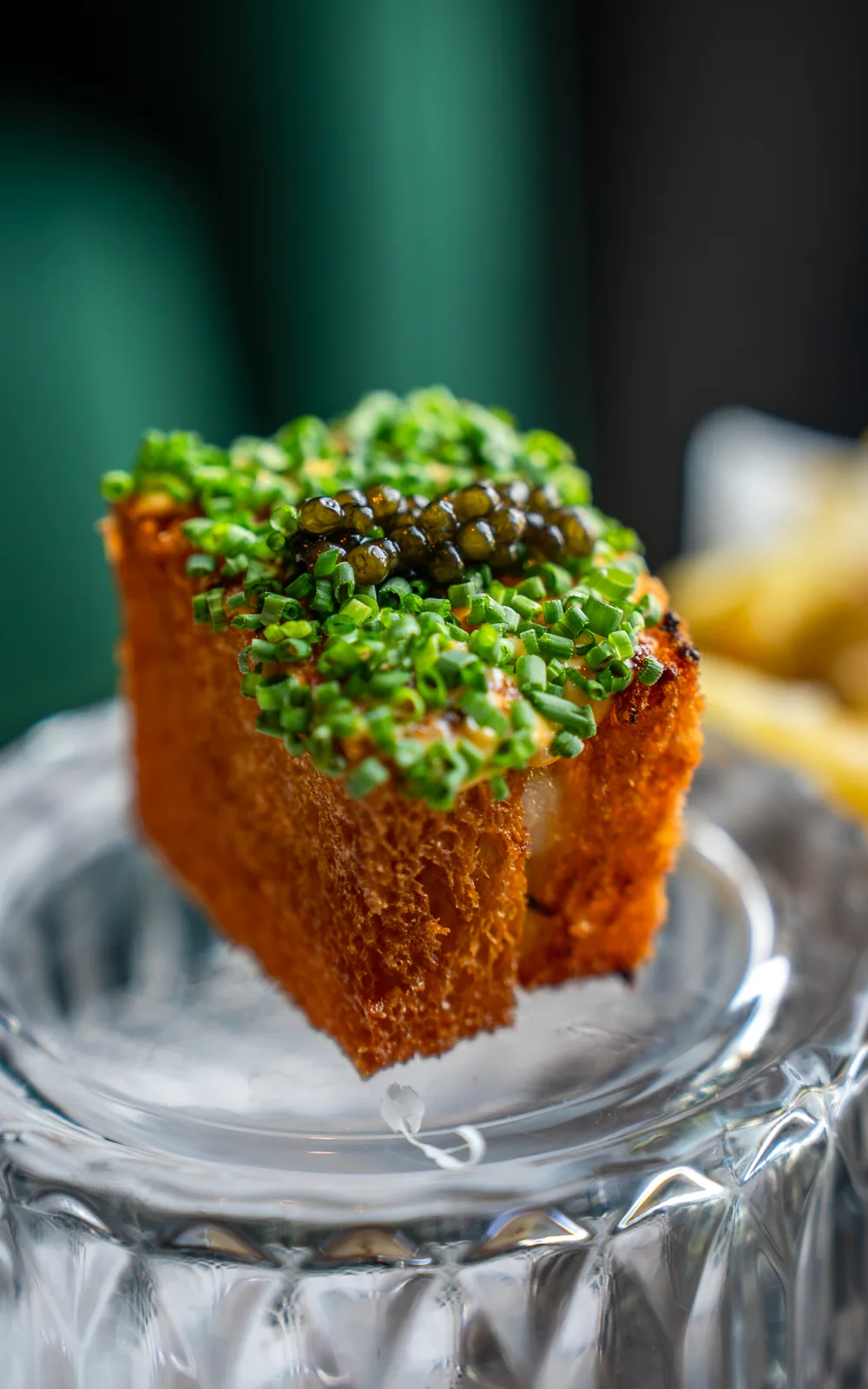
Hospitality is the work we do most in Dallas. Restaurants, hotels, pools, clubs, and coffeehouses, month after month, for the same clients. That repetition teaches you things a one-off portfolio never does: which shots actually get saved and shared, how to work a dining room without wrecking service, and why the best-looking plate of the day is rarely the one the chef wants you to shoot. Here's the practical version.
What hospitality content is actually for
Every asset should map to a decision a guest is making. Four jobs, four kinds of content:
- Discovery. Short vertical video that gets served to people who have never heard of you. Movement, faces, and food in motion outperform static beauty shots here every time.
- Consideration. The room, the patio, the suite, the vibe at 8pm on a Saturday. This is where someone decides whether your place fits the occasion they have in mind.
- Conversion. Menu photography, room tours, and event-space walkthroughs. Unglamorous, high-value, and the assets most restaurants neglect until a booking falls through.
- Retention. Seasonal launches, chef features, and behind-the-line content that gives regulars a reason to come back and post about it.
Most Dallas venues over-invest in the first and skip the third. A gorgeous brand film with no usable menu photography is a common and expensive mistake.
We shoot hospitality across The Village Dallas year-round: cinematic brand films for Meridian, the seasonal menu campaigns for Buzz & Bustle, property films at The Drey Hotel, food and cocktail editorial for the Village Country Club, and the venue reel for The Sandy Pickle. Recurring work for venues that live or die on how their food and rooms look. See the hospitality work →
Shooting around service without ruining it
The fastest way to lose a restaurant client is to slow down their kitchen. How a professional crew schedules a Dallas venue:
- Detail and food work happens off-service. Mid-afternoon between lunch and dinner, or before open. The kitchen plates at a controlled pace and nobody is waiting on a table.
- Atmosphere gets shot live, briefly. Thirty to forty-five minutes at the start of a real service, when the room is filling and the light is right. Long enough for genuine energy, short enough that staff barely notice.
- Food is shot within ninety seconds of the pass. Herbs wilt, sauces skin over, ice melts, foam collapses. A crew that lets a plate sit for ten minutes while they adjust lights is shooting a dead dish.
- The chef plates for camera, not for the guest. Slightly taller, slightly cleaner rim, the hero side facing out. Two minutes of direction produces a dramatically better frame.
- One person coordinates with the kitchen. Not five people shouting orders through the pass. The crew talks to one manager, that manager talks to the line.
Light is the whole job
Restaurant interiors are designed for mood, which is the opposite of what a camera wants. This is where amateur hospitality content falls apart:
- Mixed color temperature is the number one problem. Warm pendants over the table, cool daylight from a window, and a green-tinted kitchen behind. Left uncorrected, skin goes orange and food goes grey.
- Window light is your best asset off-service. Shooting food near a north-facing window at 3pm gives you soft, flattering light for free. Most great Dallas food photography is made this way.
- Evening ambience needs a small, controlled source. The goal is a plate that reads clearly while the room still looks like it does at night. Blasting the whole dining room with a big light kills the atmosphere you're selling.
- Patios and pools are a Texas timing problem. From May through September, outdoor shots realistically work before 10am or in the hour before sunset. Midday sun gives you harsh shadows and squinting faces.
- Match the grade across every asset. Photos and video from the same shoot should look like the same restaurant. When your feed alternates between warm film-look stills and cold phone video, the brand reads as inconsistent.
A shot list that covers a full quarter
One well-planned day at a Dallas restaurant or hotel should leave you with everything below. If a proposal doesn't name these, ask what you're getting:
- Hero dishes and signature drinks, shot both flat-lay and at plate level, in both orientations.
- Motion food: the pour, the sauce, the cheese pull, the torch, the shake. These are the clips that travel on social.
- The empty room, styled. Every venue needs clean interior shots with no guests for press, listings, and event sales.
- The room alive. Occupied tables, bartenders working, servers moving. Blurred motion is your friend here.
- Faces. Chef at the pass, bartender mid-pour, a guest laughing. Hospitality without people looks like a real estate listing.
- Exterior and entrance, day and dusk. Guests use these to recognize the place when they arrive.
- For hotels: each room category, the bathroom, the view from the window, amenities, and the arrival sequence from lobby to key.
- Vertical everything. If it matters, capture it 9:16 as well. Reframing a wide shot to vertical in post throws away most of the frame.
Dallas-specific realities
- Guest privacy in the frame. Dallas venues vary on whether guests can appear on camera. Some post signage on shoot days, some require the crew to shoot around occupied tables. Settle this with the GM before the shoot, not during it.
- Hotel COI requirements. Most DFW properties want a certificate of insurance naming the hotel before a crew loads in, and some restrict tripods in public areas during peak hours.
- Drone over a property. Exterior aerials need owner permission plus FAA clearance. Large parts of Dallas sit under controlled airspace tied to Love Field and DFW International, so the pilot needs a real Part 107 certificate and LAANC access.
- Summer heat is a production factor. Ice-based drinks and delicate plates degrade fast on a Dallas patio in August. Shoot those inside and cut them in, or schedule for early morning.
- The Dallas dining scene moves quickly. Concepts refresh, patios get rebuilt, menus rotate. Content shot two years ago that shows a room you've since renovated actively costs you bookings.
Why hospitality suits a retainer
Most industries can shoot once a year. Hospitality can't, and the reasons are structural:
- Menus change seasonally, and last season's dish photos advertise food you no longer serve.
- Your patio in April and your patio in August are different products.
- Events, holidays, and specials each need their own content, and each is a dated one-time moment.
- Social platforms reward consistent posting, which is impossible from a single annual shoot.
A quarterly or monthly cadence tied to your menu calendar solves this, and per asset it costs considerably less than booking four separate one-off shoots. The crew also gets faster at your venue: they know the light, the room, and how your kitchen works.
Running a restaurant or hotel in Dallas?
30-minute call. We'll scope a shoot around your service hours and quote within 48 hours.
Book a CallRelated guides
- Las Vegas drone laws: where you can fly
- Corporate headshots for your team
- Dallas product photography & video
- Dallas drone videographer: what is actually legal
- Denton video production & live music filming
- Richardson video production & the Telecom Corridor
- Dallas fashion photographer & lookbook video
- Las Vegas hotel & resort photography
- Fort Worth commercial photographer
- DFW trade show & conference video
- Las Vegas event photographer
- Firearms & defense brand content
- Dallas hotel & hospitality photography
- Dallas restaurant & food photography
- Dallas commercial photographer & corporate headshots
- The Dallas content day: one shoot, a quarter of content
- What video production costs in Dallas
- Best filming locations in Dallas
- Hiring a Dallas videographer & photographer, one crew
- Dallas corporate video production guide
- Dallas event videographer: the hiring guide
- Dallas real estate & apartment video
- Hospitality brand film production