Dallas Contractor Video Production: Photos, Films and Trust
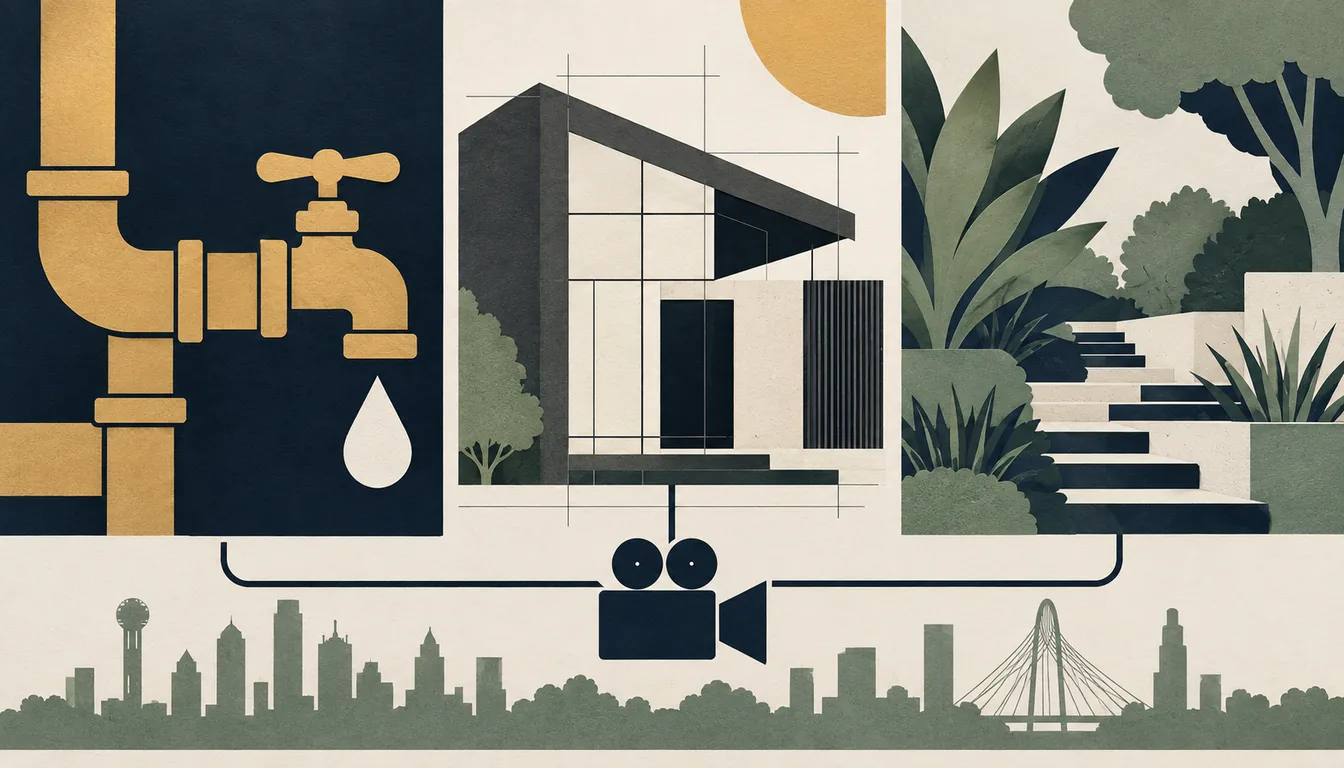
A plumbing company, a landscape contractor and an architectural studio all need to show their work, but they do not need the same video. Homeowners may want reassurance about who is coming into their house. A commercial buyer may need to understand the process and project scope. A design client may care most about the decisions behind a finished space. Plan Dallas contractor video production around those differences.
Choose the question before the camera angle
Start with one sentence: “After watching, our customer should understand…” Finish it with something concrete. For a plumber, it might be what happens during a scheduled service visit. For a landscaper, it could be how a bare outdoor area becomes a usable space. For an architect, it might be why a particular layout solves the client's brief.
Then choose the action: request a consultation, review a project gallery or ask for an estimate. A film that tries to introduce the company, recruit staff, explain every service and close a sale at once usually needs a tighter brief. Separate those jobs into individual pieces that can share the same production day.
Picture Perfect Video brings the photo and video production. Your business brings the subject expertise, approved project access and accurate explanations. The goal is to help a prospective client understand your work before the first conversation.
Plumbing: make the service experience understandable
Plumbing content does not have to depend on dramatic emergencies. A calm explanation of the service process can answer a more useful question: what should a customer expect when your team arrives? Film an introduction, the way the team communicates with the customer and an approved explanation of the completed work.
- Service introduction: the actual person or team customers may meet, speaking plainly about the services the business provides.
- Appointment walkthrough: arrival, discussion of the customer's concern, the agreed scope and the final explanation. Use a scheduled demonstration if a live visit would be intrusive.
- One customer question: answer a common question about preparation, scheduling or communication in the business's own approved words.
- Finished details: photograph the relevant fixture or installation with permission and a caption that explains the documented scope.
Under-sink cabinets and utility spaces can be visually cramped. Plan a light and a camera position that show the subject without obstructing the technician. Record the explanation in a quiet location if equipment noise makes the actual work area unsuitable. Demonstrations should be identified as demonstrations; do not stage a fake customer emergency.
Keep these videos focused on the customer experience and the professional's explanation. Technical procedures and claims need the company's review before release. A beautiful close-up should not imply a diagnosis or a performance guarantee.
Landscaping: show the design and the change over time
A landscape project is more than an attractive final wide shot. Show how a person moves through the space, how the planting relates to the property and which details solve the client's stated needs. A sequence might move from the approach to a path, seating area and selected planting details, with the designer or contractor explaining the choices.
Plan the before-and-after positions early. Match the camera height and direction, and preserve reference images for the return visit. Label the capture dates when the landscape has changed with the season or plant growth. Do not imply that a newly installed landscape immediately looked like a mature garden.
For a Dallas-area shoot, coordinate irrigation timing, routine maintenance, access and the preferred light with the property contact. Wet paving, active equipment and people using the space can all change the planned sequence. Agree on an alternative date if outdoor conditions would prevent a useful result.
A practical content set includes a finished-project gallery, a short walkthrough and a separate explanation of one design choice. If the business offers maintenance as well as installation, give each service its own story. The viewer should know which work the featured company actually performed.
Architecture and construction: explain the decisions
Architectural content works best when the viewer understands both the space and the brief behind it. Start with the building in context, then show circulation, materials, light and details. Ask the architect to describe a specific constraint and the decision that addressed it. “We needed to connect these two areas” gives the edit a clearer direction than “We wanted something timeless.”
For an active construction project, plan progress visits around meaningful milestones with the site manager. Do not expect one visit to illustrate every phase. Film only from approved areas and avoid delaying work to manufacture a sequence. For completed interiors, coordinate styling, cleaning, occupant privacy and access before the crew arrives.
Credit the appropriate architect, builder, designer and landscape team when the project involves several firms and publication permissions allow it. Distinguish renderings from completed work, and label any staged visualizations. Photographing a project does not make the production company its designer or contractor.
Bring a priority list of three spaces or features and explain why each matters. That helps the photographer decide what must be resolved before chasing additional angles. Our Dallas photo and video guide explains how to combine the two formats.
Watch a real Dallas brand reel
This existing PPV film features The Village Dallas and its venues. It is hospitality work, not a plumbing, landscaping or architectural commission. It demonstrates how a short edit can establish a place and connect multiple views into one recognizable story. Your contractor film should use your own people, project and technical context.
Watch for: the balance between an overall sense of place and individual moments. For a contractor, the comparable planning question is which few shots make the service or project understandable. See the PPV portfolio for the original project context.
A practical plan for one content day
One main location is often the easiest starting point. The schedule below is an illustrative planning framework, not a promise of a fixed package. Access, live work and the complexity of lighting and sound will determine the final call sheet.
| Block | Priority | Prepare beforehand |
|---|---|---|
| Arrival and setup | Confirm access, site rules, the story and safe filming positions. | Property contact, parking and an approved shot list. |
| Quiet interview | Record the owner or project lead answering three specific customer questions. | Approved facts, a quiet space and the on-camera person. |
| Process coverage | Film the relevant activity and the details needed to explain it. | Site timing, permissions and an available technical reviewer. |
| Photography | Capture priority finished views, details and team portraits. | Clean spaces, wardrobe and project credits. |
| Vertical pickups | Record short answers and framing for mobile placements. | Desired formats and a clear next step. |
| Review and backup | Check required coverage and confirm the edit handoff. | One decision maker, delivery dates and a shared folder. |
Protect time for the quiet interview. An articulate project lead explaining one problem often gives the editor the story that makes the detail shots meaningful. Ask open questions, let the person answer naturally and record clean pauses between answers.
For jobs spread across Dallas and surrounding communities, allow for packing, travel, unloading and another setup. Nearby addresses do not mean an instant move. Use the Dallas production checklist to turn this outline into a workable plan.
Agree on the deliverables before the shoot
Specify where each asset will live. A website project film, a vertical social clip and a service-page photograph need different framing and sometimes different takes. Define the approximate runtime, orientation, caption requirements, number of selected photographs, review rounds and delivery date in the scope.
Ask for readable captions on spoken social clips and an accessible written summary for the website. Give the editor the correct spelling of people, services and project names. Identify any statement that requires approval, and choose one person to consolidate feedback.
Keep original media, permissions, approved text, edit notes and final exports in an agreed cloud folder. Organize files by project and capture date, then separate website, social and archive versions. A later team member should be able to identify the approved file without guessing between “final” and “final-new.”
Publish a project story that is useful to local buyers
Pair the finished media with a short written account of the actual project. Explain the client's goal, your company's role, the relevant decisions and the approved outcome. Add a Dallas or nearby location only when it accurately describes the work, and protect the customer's address when needed.
Link the story to the relevant service and a clear contact option. Use descriptive image text that explains what is visible. Avoid repeating a list of cities or services in every caption; specificity helps the reader more than a wall of keywords.
For local search, content supports a broader foundation. Accurate business information, relevant services and genuine customer feedback matter. Google describes local ranking in terms of relevance, distance and prominence; publishing a film is not a ranking guarantee.
Judge the content by whether it attracts suitable conversations and helps buyers understand the work. Ask which questions your sales team still answers repeatedly, then make the next piece address one of those questions. That gives a monthly content plan a purpose beyond keeping the feed busy.
Contractor photo and video questions
Can a plumbing business create useful videos without filming an emergency?
Yes. A team introduction, an appointment walkthrough and answers to common customer questions can explain the service clearly. Label staged demonstrations and obtain permission for any real customer visit.
How should a landscaper plan before-and-after photos?
Choose matching camera positions before work begins, save reference images and record the capture dates. Explain seasonal or growth differences so the comparison accurately represents the project.
What should an architectural studio prepare for a video shoot?
Prepare the project brief, three priority spaces or design decisions, approved credits and access permissions. Choose a spokesperson who can explain the choices clearly and coordinate styling and occupant privacy.
Can PPV combine contractor photography and video in Dallas?
Yes. Photography and video can be planned together, with the scope based on the location, project schedule, interviews and intended website or social deliverables. Start with the priority shots and publishing needs.
Plan your Dallas content shoot.
Bring your project, customer questions and publishing goals. We will help scope the photography, video and interviews around what your business needs.
Book a 30-minute consultation →More Dallas guides
Published September 18, 2026. Examples and schedules are planning recommendations, not promises of project results. Referenced portfolio films are existing hospitality work; trade expertise and technical statements come from the featured contractor.