What video camera to buy for conferences and events in 2026.
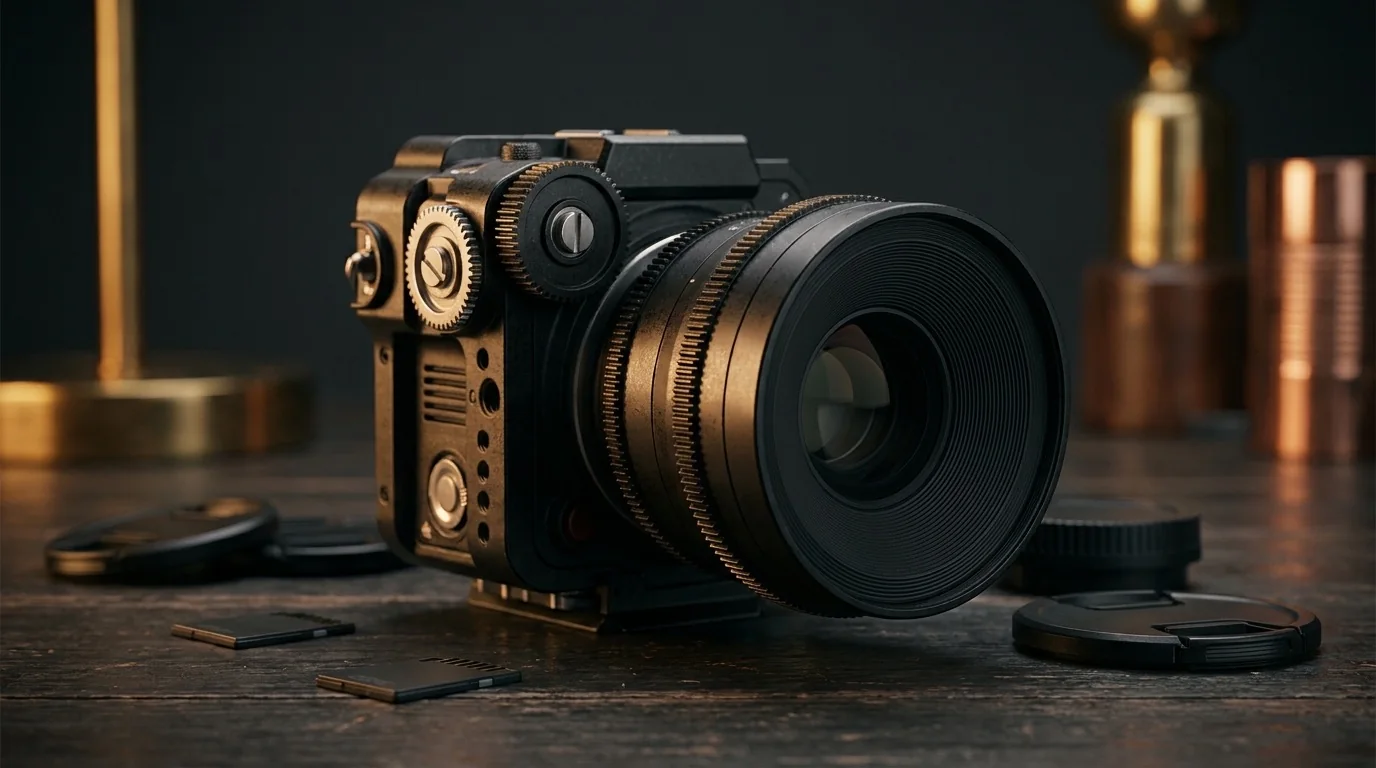
What video camera should you buy for recording conferences and events? Everyone asks about the camera, and almost nobody asks about the operator. We cover both: the best camera for event videography in 2026, what pros shoot on, the budget tiers underneath, and why "what camera should I buy" is the wrong question when you are hiring. If you are hiring, skip to the bottom: the questions to ask matter more than the model numbers.
Quick answers
Is Sony a good choice for event videography?
Yes. Sony is a common choice for professional event work. The FX3 and FX6 are full frame, handle dark ballrooms well, and have reliable autofocus for walking shots and stage moments. The FX3 is compact enough for crowded rooms, while the FX6 adds built in ND filters and longer recording comfort for all day events.
What Canon video camera would you recommend for filming corporate events?
For corporate events, the Canon C70 and C300 Mark III are strong choices because they record for hours without trouble, take professional XLR audio, and have built in ND filters. For long panels and keynotes where you need a zoom and simple operation, a camcorder style body like the Canon XF605 is practical. The EOS R5 C suits smaller crews who also shoot stills.
What is the best camera for event videography?
There is no single best camera. For most professional event work in 2026 it comes down to a Sony FX3 or FX6, or a Canon C70, paired with fast lenses and wireless audio. The operator, the audio and the lighting plan matter more than the badge on the camera.
What video camera should I buy for recording conferences?
Pick a camera that can run for hours without stopping: no recording limit or overheating, two card slots so a full card never ends a session, XLR inputs to take a clean feed from the venue sound desk, and a long zoom so one camera can hold the speaker from the back of the room. Camcorder style bodies such as the Canon XF605 or a camcorder from Sony's PXW line fit that brief out of the box. A cinema camera like the Sony FX6 or Canon C70 looks better under stage lighting but needs a zoom lens and more setup. Whatever you buy, run it on wall power or large batteries and add a second angle for audience reactions.
Which camcorder should I buy for event videography?
Buy a camcorder when the job is long, fixed position coverage like panels, keynotes and ceremonies: the built in zoom, XLR audio, ND filters and simple controls make it easy to run for hours. The Canon XF605 and Sony's PXW camcorders are common picks for this work. For walking shots, dark ballrooms and a more cinematic look, event crews usually move to a full frame camera like the Sony FX3 or FX6 instead.
Should I choose a Sony camcorder or a DSLR for events?
Choose a Sony camcorder such as the PXW-Z200 when the event is long and mostly fixed position, like conferences, panels and ceremonies. Sony lists a 1.0 inch sensor, a 20x optical zoom, built in and variable ND filters, two XLR inputs and two card slots on that one body, so nothing needs adding. Choose a DSLR or mirrorless body when you want a shallow, cinematic look, a larger sensor for dark ballrooms, or stills from the same camera, and plan to add an audio adapter, ND filters and a zoom lens. Many crews run both: a camcorder locked on the stage and a full frame camera roaming the room.
What is the best camera for shooting commercial video projects?
For ads, brand films and product video, pick a cinema camera that records 10 bit footage with a log profile so the color grade holds up. The Sony FX6 and FX3 and the Canon C70 and C400 are the usual choices. Sony lists 4K up to 120p on both the FX3 and FX6, and Canon lists triple base ISO (800, 3200 and 12800) and up to 10 stops of built in ND on the full frame C400. On a commercial set, the lenses, the lighting and the colorist shape the result as much as the body.
What makes a good video camera for events?
A good event video camera keeps recording for hours, holds focus on faces, copes with dim rooms, takes professional XLR audio and has two card slots. In practice that is a pro camcorder such as the Canon XF605, Sony PXW-Z200 or Panasonic AG-CX370 for fixed coverage, or a cinema camera such as the Sony FX3 or FX6 or Canon C70 for a more filmic look on walking shots and stage moments.
What event filming equipment do you need?
At minimum: two cameras (one locked wide, one operated), a fast standard zoom and a telephoto zoom, a tripod with a fluid head, wireless lavalier mics plus a board feed from the venue sound desk, a backup audio recorder, battery LED lights, and enough batteries and cards for the whole day. The full checklist is below.
What video camera should I buy for recording conferences? The spec sheet version
For a conference, the camera's job is boring and relentless: hold the stage for hours, never stop recording, and take clean audio from the room. That is why pro camcorders win the brief. Here is what each maker lists for the three we would shortlist, then the cinema bodies we use when the look matters more than the run time.
| Camcorder | Sensor | Zoom | Built in ND | Audio | Card slots | 4K |
|---|---|---|---|---|---|---|
| Canon XF605 | 1.0 inch type CMOS | 15x optical | Yes: 1/4, 1/16, 1/64 | 2 XLR with 48V phantom power | 2 SD | Up to 59.94p, 10 bit 4:2:2 |
| Sony PXW-Z200 | 1.0 inch stacked CMOS | 20x optical, power zoom | Yes: 1/4, 1/16, 1/64, plus variable 1/4 to 1/128 | 2 XLR | 2 CFexpress Type A or SD | Up to 59.94p, 120 fps slow motion |
| Panasonic AG-CX370 | 1.0 type MOS | 20x optical with stabilization | Yes: 1/4, 1/16, 1/64 | 2 XLR plus 2 mini inputs | 2 SDXC UHS-II | Up to 59.94p; NDI HX2, RTMP and SRT streaming |
| Camera | Sensor | Built in ND | Audio | Card slots | 4K |
|---|---|---|---|---|---|
| Sony FX3 | 35mm full frame | None listed | 2 XLR on the XLR handle | 2 CFexpress Type A or SD | Up to 119.88p |
| Sony FX6 | Full frame, base ISO 800 and 12,800 | Electronic variable, 1/4 to 1/128 | XLR interface, four channel recording | 2 CFexpress Type A or SD | Up to 120p (with a 10 percent crop) |
| Canon EOS C70 | Super 35mm DGO | 2, 4 or 6 stops, up to 10 extended | 2 mini XLR | 2 SD | Up to 60p, 120 fps slow motion |
| Canon EOS C400 | Full frame BSI, base ISO 800, 3200 and 12800 | 2, 4 or 6 stops, up to 10 extended | 2 mini XLR | 1 CFexpress Type B and 1 SD | Up to 120 fps; 6K RAW up to 60 fps |
Live streaming through a switcher? A studio camera is a different tool. Blackmagic lists its Studio Camera 4K Pro G2 with 12G-SDI, two balanced XLR inputs with phantom power, talkback, SDI tally and a 10G Ethernet link that can connect and power the camera with a single cable. Blackmagic says the Studio Camera is designed for live production, so it fits a multi camera stream feeding a switcher better than a roaming shooter.
Our pick for most conference buyers: one pro camcorder on a tripod at the back of the room for the speaker, plus a second camera on the side for audience reactions and cutaways. If you only buy one, buy the camcorder.
Event filming equipment checklist
The camera is one line on the list. This is the kit a professional event crew carries so a single failure never ends the day:
- Cameras. Two bodies minimum, one locked wide on the stage and one operated for close ups and reactions, plus a backup body in the case.
- Lenses. A 24 to 70mm f/2.8 zoom for most coverage and a 70 to 200mm f/2.8 for speakers from the back of the room. Camcorders cover this range with their built in zoom.
- Support. A tripod with a fluid head for every locked camera, and a gimbal or shoulder rig for walking shots.
- Audio. Wireless lavalier mics on presenters, a shotgun mic for room sound, a board feed from the venue sound desk, and a separate recorder as a backup.
- Lighting. Battery powered LED panels for interviews and dim corners. Ballrooms are darker than they look.
- Power and media. AC adapters for locked cameras, spare batteries for the rest, and enough cards to record to both slots all day.
- Monitoring. Closed back headphones on every audio source and a field monitor for focus on long lenses.
- Drone, only where legal. An FAA licensed pilot and airspace approval. In Las Vegas most of the Strip needs authorization; see drone filming in Las Vegas.
Hiring instead of buying? This is the kit we bring to every event shoot, along with a crew that knows where to stand. See Las Vegas convention videography or DFW trade show and conference video.
Tier 1, Cinema cameras (what pros use)
The bodies almost every working event videographer is running in 2026:
- Sony FX3. Compact full-frame cinema body. Excellent low light, dual base ISO, in-body recording, 4K up to 120fps. A favorite with event crews because it's a true cinema camera small enough to gimbal-mount and run all day, and Sony's XLR handle adds two XLR inputs.
- Sony FX6. Step up. Adds an electronic variable ND filter (1/4 to 1/128), XLR audio through its handle interface, and longer-form usability. The standard for two-camera event setups with longer events.
- Canon C70. Canon's Dual Pixel autofocus is best-in-class for run-and-gun. Strong if you're already in Canon glass.
- Canon C400. Newer hybrid full-frame cinema body. Triple-base ISO. Top tier.
Most pro studios run two cinema bodies on big events, one wide on a tripod, one operator-driven with a gimbal or shoulder rig.
Tier 2, Hybrid mirrorless (prosumer)
Strong bodies that can shoot pro event work in skilled hands, with caveats:
- Sony A7S III. Best low-light hybrid on the market. Almost a cinema camera at this point.
- Sony A7 IV. Hybrid stills/video. Good for events where you need photo + video on the same body.
- Canon R5C. Cinema-line crossover. No recording-time limits in cinema mode.
- Panasonic GH7. Best-in-class video specs for the money. Smaller sensor (Micro Four Thirds) means more depth of field but weaker low light.
Tradeoffs vs. cinema cameras: shorter record times before overheat, smaller batteries (you'll burn through 4-6 per shoot day), and no built in XLR inputs on most bodies, so pro audio means an adapter or a separate recorder.
Why the camera isn't the answer
Here's the truth from the inside of this craft: in 2026, almost any camera in the tiers above will produce broadcast-grade footage if the operator knows what they're doing. The differences between an FX3 and an A7S III show up at pixel-peeping zoom. They don't show up to your audience watching the final film.
What actually separates good event footage from bad event footage:
- Where the operator stands. Anticipation. Knowing which speaker is about to react. Where to be when the toast lands.
- Light awareness. Reading the room and either matching the existing light or bringing your own.
- Audio capture. Audio is where amateurs lose. Wireless lavs + boom + board feed is the difference between a film that watches and a film that doesn't.
- Edit discipline. Knowing which 30 seconds of 4 hours of footage tell the story.
Hire a great operator with a 3-year-old camera before you hire a beginner with this year's release.
If you're hiring, ask about the kit, but ask about more
Camera questions to ask your videographer:
- What body and what's the backup? One body is a single point of failure.
- What's your audio rig? The real test of professionalism.
- Are you bringing lighting? "Available light only" at a dim Vegas ballroom is a red flag.
- What's the resolution and codec you're recording? Should be at least 4K, 10-bit, with a high-bitrate codec.
Then move on to the harder questions, about portfolio depth, contract, insurance, and process. See our full event-videographer hiring checklist for the rest. We bring the same kit to shoots in Los Angeles and across Dallas Fort Worth, including Fort Worth and Plano.
More event camera questions
What camera do most professional event videographers use?
In our experience the Sony FX line (FX3, FX6, FX9) is the most common choice on professional event jobs, thanks to full frame sensors, dual base ISO and strong low light performance, which matters in dim ballrooms, hotel lobbies and venues lit only by the stage. The Canon C series (C70, C400) is the other common choice, especially for crews that already own Canon lenses. Most pros run two cameras at once.
Can a mirrorless camera handle event videography professionally?
Yes. The top hybrid mirrorless bodies, such as the Sony A7S III, Sony A7 IV, Panasonic GH7 and Canon EOS R5 C, produce broadcast quality footage in skilled hands. The tradeoffs against a dedicated cinema camera are heat and record time limits on some bodies, smaller batteries and no built in XLR inputs on most. Fine for short events; tested hard on full day galas with 8 or more hours of recording.
Does the camera actually matter more than the operator?
Honestly, the operator matters more. A pro with a five year old camera and proper lighting will out shoot a beginner with the newest cinema rig every time. Camera bodies are commodities now, and the differences between top tiers are smaller than the differences between operators. When hiring, ask about the operator's experience first, then the gear.
What lens kit is standard for event coverage?
Two lenses cover most events: a 24 to 70mm f/2.8 zoom for primary coverage and a 70 to 200mm f/2.8 zoom for tight reaction shots, speakers from across the room and low light isolation. Some shooters add a 16 to 35mm wide for venue establishing shots and a fast prime (50mm f/1.4 or 85mm f/1.4) for portrait style interviews.
Is 4K really necessary?
For event coverage, yes. Even if the final deliverable is 1080p, shooting in 4K gives you room to reframe and stabilize in post without losing detail, keeps the footage usable longer, and gives noise reduction more to work with in dark venues. Every camera on this page records 4K.
What audio gear should a real event videographer be using?
Wireless lavalier mics (Sennheiser EW-D, Sony UWP-D, RØDE Wireless Pro) on speakers and presenters. A shotgun mic on a boom or camera mount for room sound. An external recorder (Zoom F3, Tascam Portacapture) as backup. A board feed from the venue's soundboard if there's a presenter on a mic. Anyone running event audio with just an on camera mic is gambling, and your interview audio is the cost when they lose.
I have a hybrid mirrorless. Can I do events myself?
Technically yes; practically, it depends on the event. For an internal training session, a friend's party or a small breakfast meeting, yes. For anything where the deliverable is going on a website, in a paid ad or in front of a board, hire a pro. The gear gap is closeable. The experience gap (knowing where to stand, what to anticipate, how to manage audio at a noisy venue, how to recover when a camera fails) takes years.
Specs checked November 10, 2026, on the manufacturers' own pages: Sony PXW-Z200 specifications; Sony FX3 specifications; Sony FX6 announcement; Canon XF605 specifications; Canon EOS C70 specifications; Canon EOS C400 specifications; Canon EOS R5 C; Panasonic AG-CX370 specifications; Blackmagic Studio Camera. We list no prices because they change; check the maker's page before you buy.
Hire the kit and the operator.
Sony FX-series + Aperture lighting + wireless audio. Vegas · Dallas · LA.
Book a free callRelated guides
- Las Vegas trade show videography
- Las Vegas corporate video production
- Las Vegas product video production
- Las Vegas drone laws: where you can fly
- Corporate headshots for your team
- Dallas product photography & video
- Dallas drone videographer: what is actually legal
- Denton video production & live music filming
- Richardson video production & the Telecom Corridor
- Dallas fashion photographer & lookbook video
- Las Vegas hotel & resort photography
- Fort Worth commercial photographer
- DFW trade show & conference video
- Las Vegas event photographer
- Firearms & defense brand content
- Dallas hotel & hospitality photography
- Dallas restaurant & food photography
- How to find an event videographer.
- How much does a Las Vegas videographer cost?
- How to hire a Las Vegas videographer.
- Drone filming in Las Vegas: FAA rules.