Best camera for event videography in 2026.
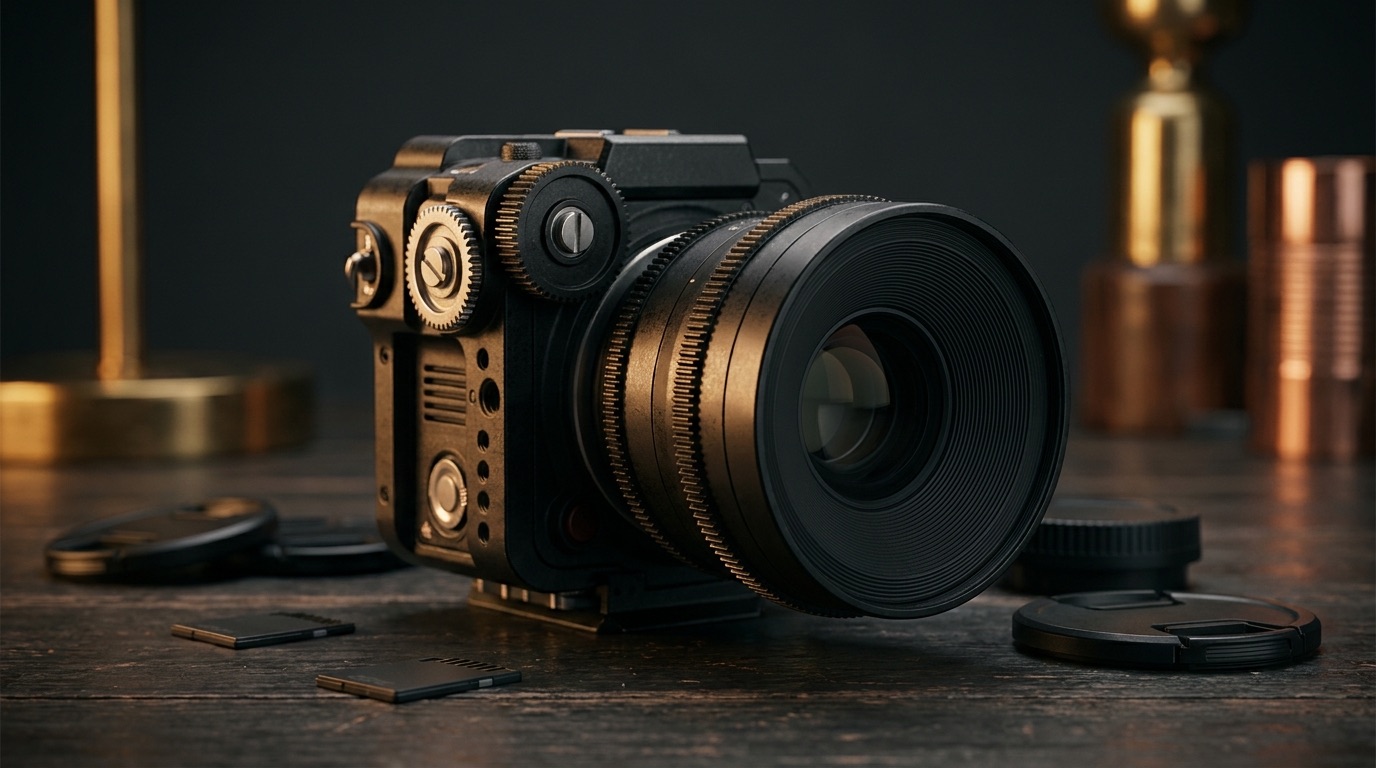
Everyone asks about the camera. Almost nobody asks about the operator. We cover both: what pros shoot on in 2026, the budget tiers underneath, and why "what camera should I buy" is the wrong question for a hire to the bottom, the questions to ask matter more than the model numbers.)
Tier 1, Cinema cameras (what pros use)
The bodies almost every working event videographer is running in 2026:
- Sony FX3. Compact full-frame cinema body. Excellent low light, dual base ISO, in-body recording, 4K up to 120fps. Most popular event camera of 2026 because it's a true cinema camera small enough to gimbal-mount and run all day.
- Sony FX6. Step up. Adds ND filter wheel, balanced XLR audio inputs, longer-form usability. The standard for two-camera event setups with longer events.
- Canon C70. Canon's Dual Pixel autofocus is best-in-class for run-and-gun. Strong if you're already in Canon glass.
- Canon C400. Newer hybrid full-frame cinema body. Triple-base ISO. Top tier.
Most pro studios run two cinema bodies on big events, one wide on a tripod, one operator-driven with a gimbal or shoulder rig.
Tier 2, Hybrid mirrorless (prosumer)
Strong bodies that can shoot pro event work in skilled hands, with caveats:
- Sony A7S III. Best low-light hybrid on the market. Almost a cinema camera at this point.
- Sony A7 IV. Hybrid stills/video. Good for events where you need photo + video on the same body.
- Canon R5C. Cinema-line crossover. No recording-time limits in cinema mode.
- Panasonic GH7. Best-in-class video specs for the money. Smaller sensor (Micro Four Thirds) means more depth of field but weaker low light.
Tradeoffs vs. cinema cameras: shorter record times before overheat, smaller batteries (you'll burn through 4-6 per shoot day), and less robust audio (most have only one XLR input via adapter).
Why the camera isn't the answer
Here's the truth from the inside of this craft: in 2026, almost any camera in the tiers above will produce broadcast-grade footage if the operator knows what they're doing. The differences between an FX3 and an A7S III show up at pixel-peeping zoom. They don't show up to your audience watching the final film.
What actually separates good event footage from bad event footage:
- Where the operator stands. Anticipation. Knowing which speaker is about to react. Where to be when the toast lands.
- Light awareness. Reading the room and either matching the existing light or bringing your own.
- Audio capture. Audio is where amateurs lose. Wireless lavs + boom + board feed is the difference between a film that watches and a film that doesn't.
- Edit discipline. Knowing which 30 seconds of 4 hours of footage tell the story.
Hire a great operator with a 3-year-old camera before you hire a beginner with this year's release.
If you're hiring, ask about the kit, but ask about more
Camera questions to ask your videographer:
- What body and what's the backup? One body is a single point of failure.
- What's your audio rig? The real test of professionalism.
- Are you bringing lighting? "Available light only" at a dim Vegas ballroom is a red flag.
- What's the resolution and codec you're recording? Should be at least 4K, 10-bit, with a high-bitrate codec.
Then move on to the harder questions, about portfolio depth, contract, insurance, and process. See our full event-videographer hiring checklist for the rest.
Hire the kit and the operator.
Sony FX-series + Aperture lighting + wireless audio. Vegas · Dallas · LA.
Book a CallRelated guides
- Fort Worth commercial photographer
- DFW trade show & conference video
- Las Vegas event photographer
- Firearms & defense brand content
- Dallas hotel & hospitality photography
- Dallas restaurant & food photography
- How to find an event videographer.
- How much does a Las Vegas videographer cost?
- How to hire a Las Vegas videographer.
- Drone filming in Las Vegas: FAA rules.